
Level 1 sweep and inspection to the NFPA 211 annual standard - flue, crown, cap, and flashing checked and photographed
Chimney sweep logs do not sweep chimneys. They loosen some creosote - which then falls where a brush and vacuum still have to collect it.
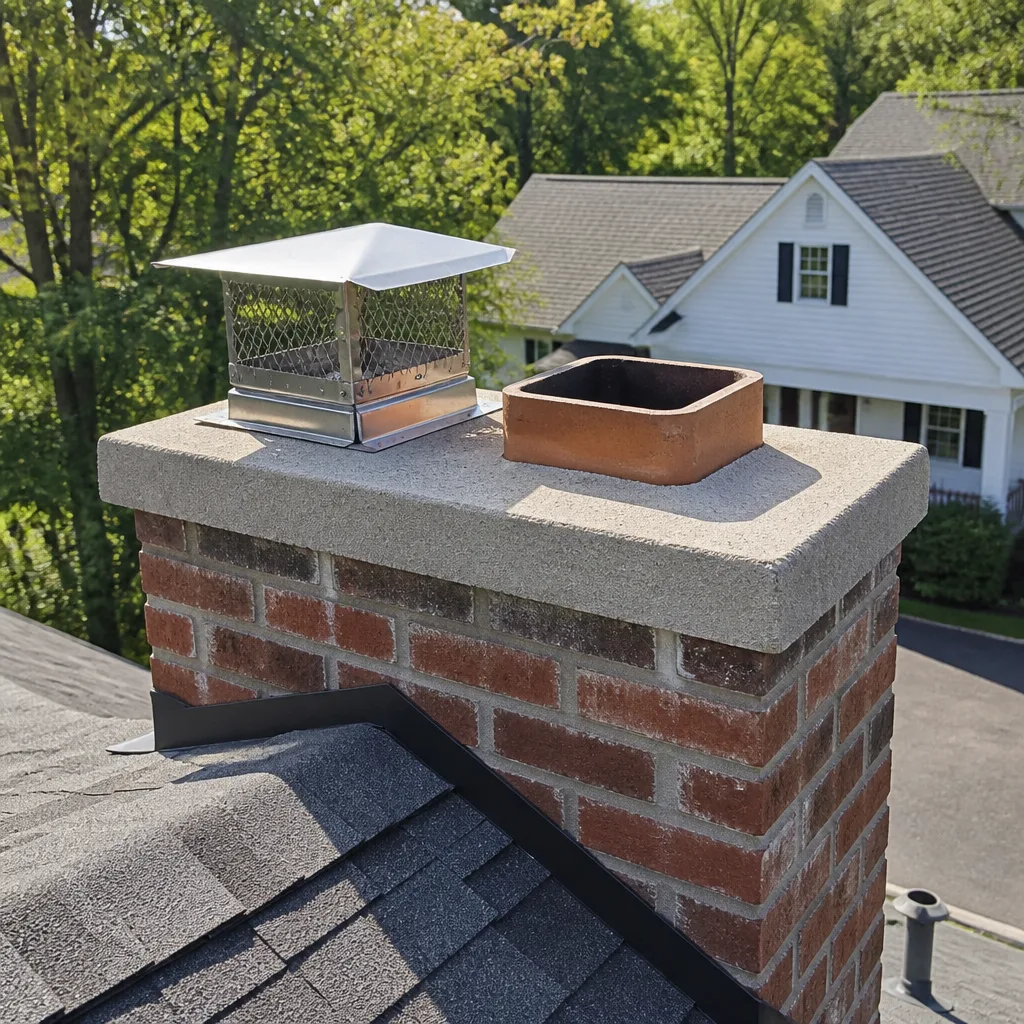
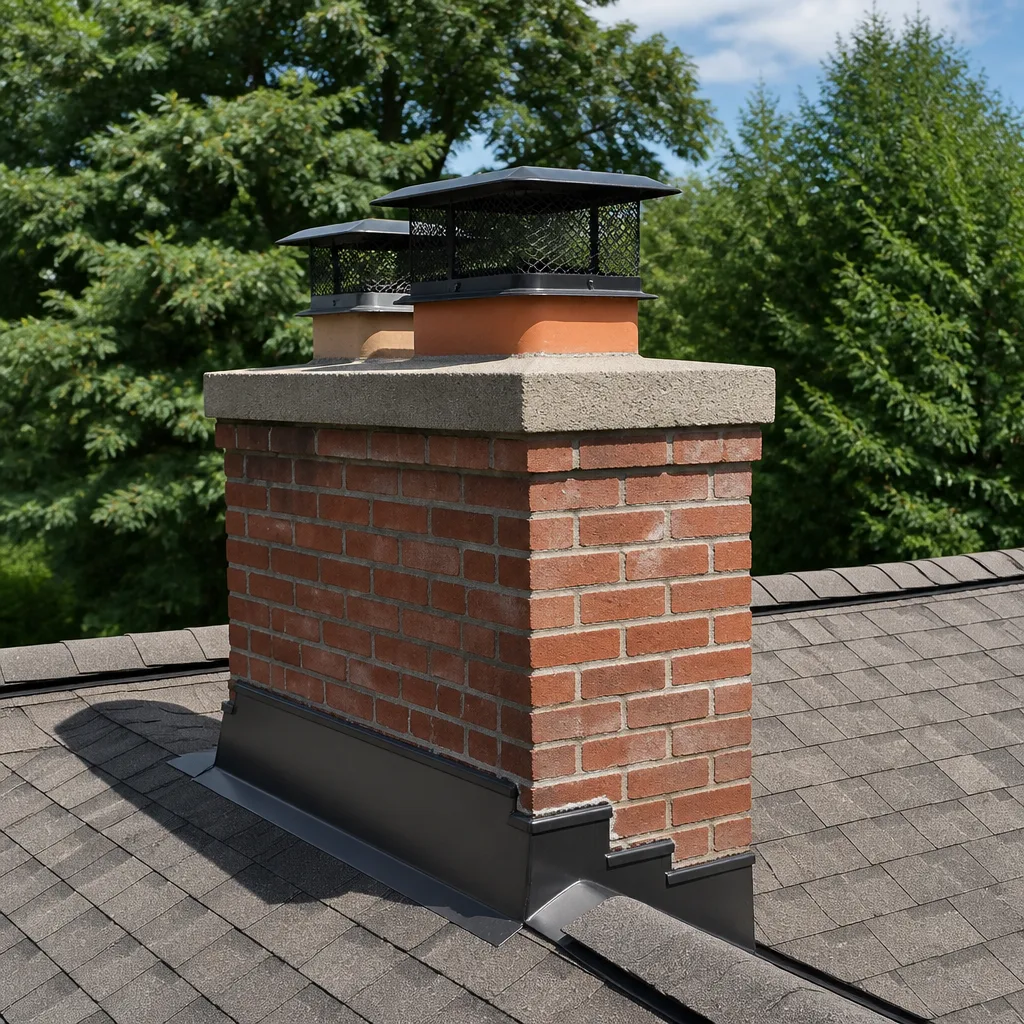
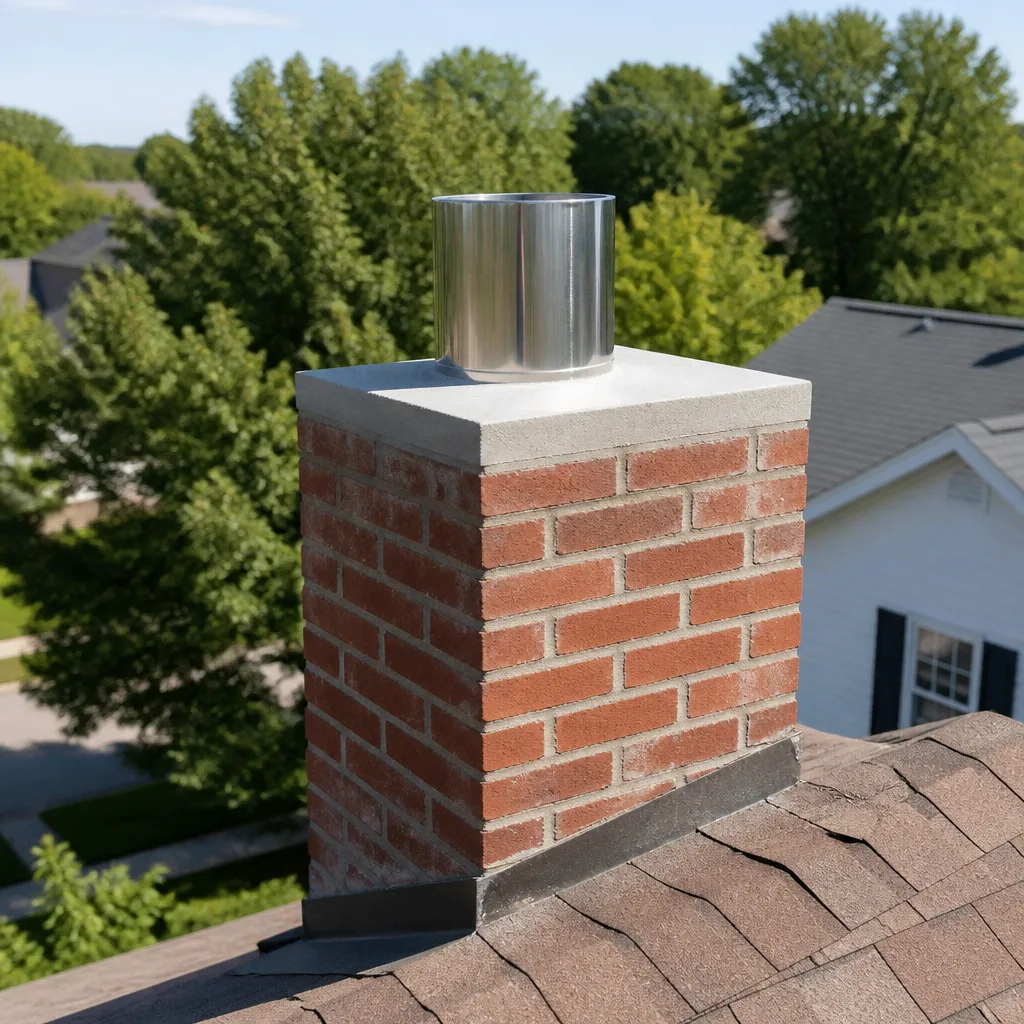
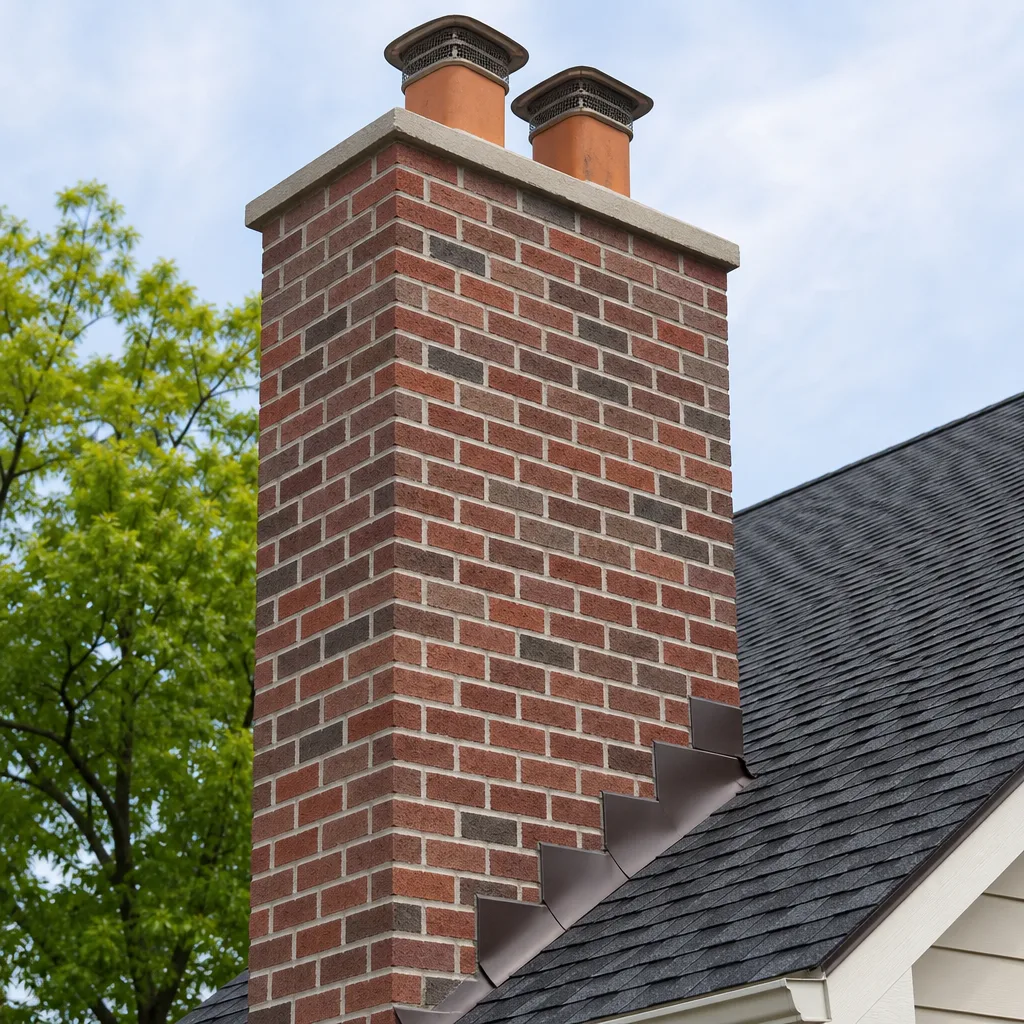
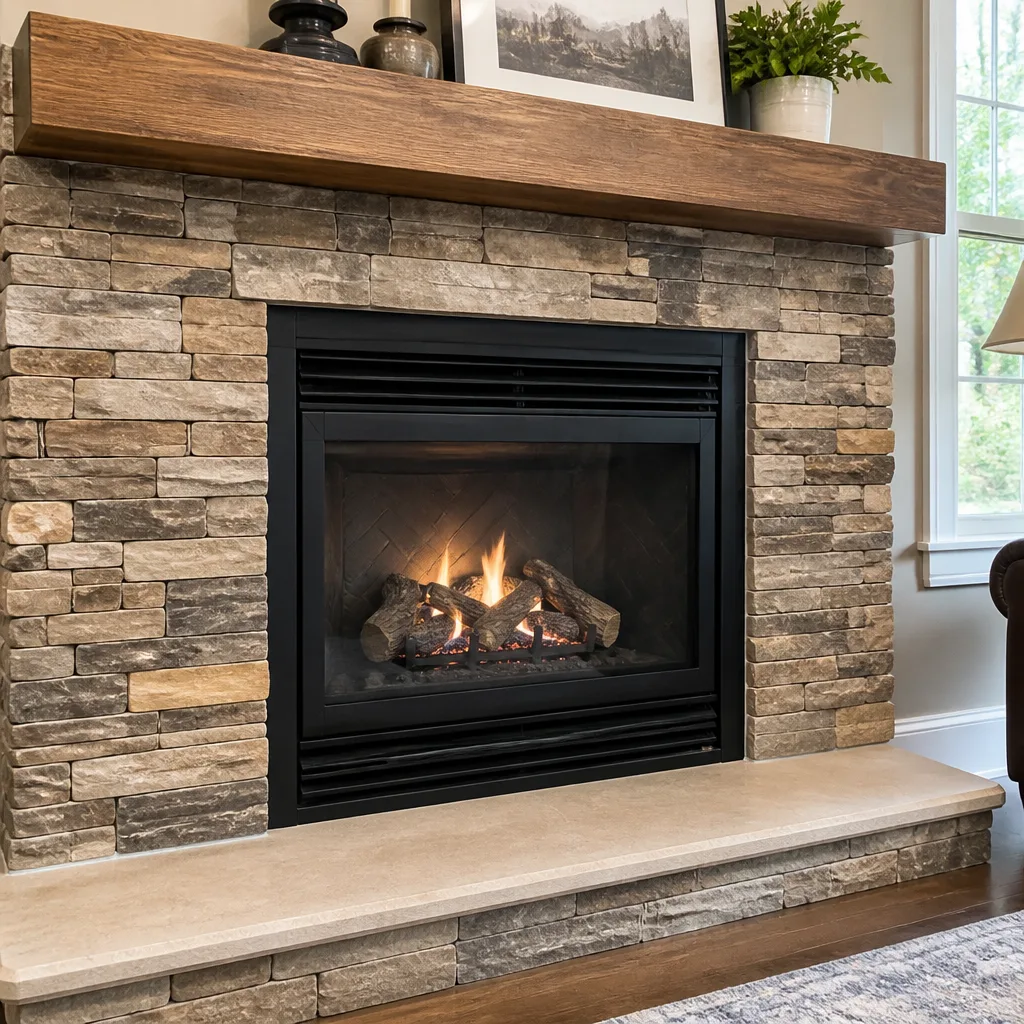
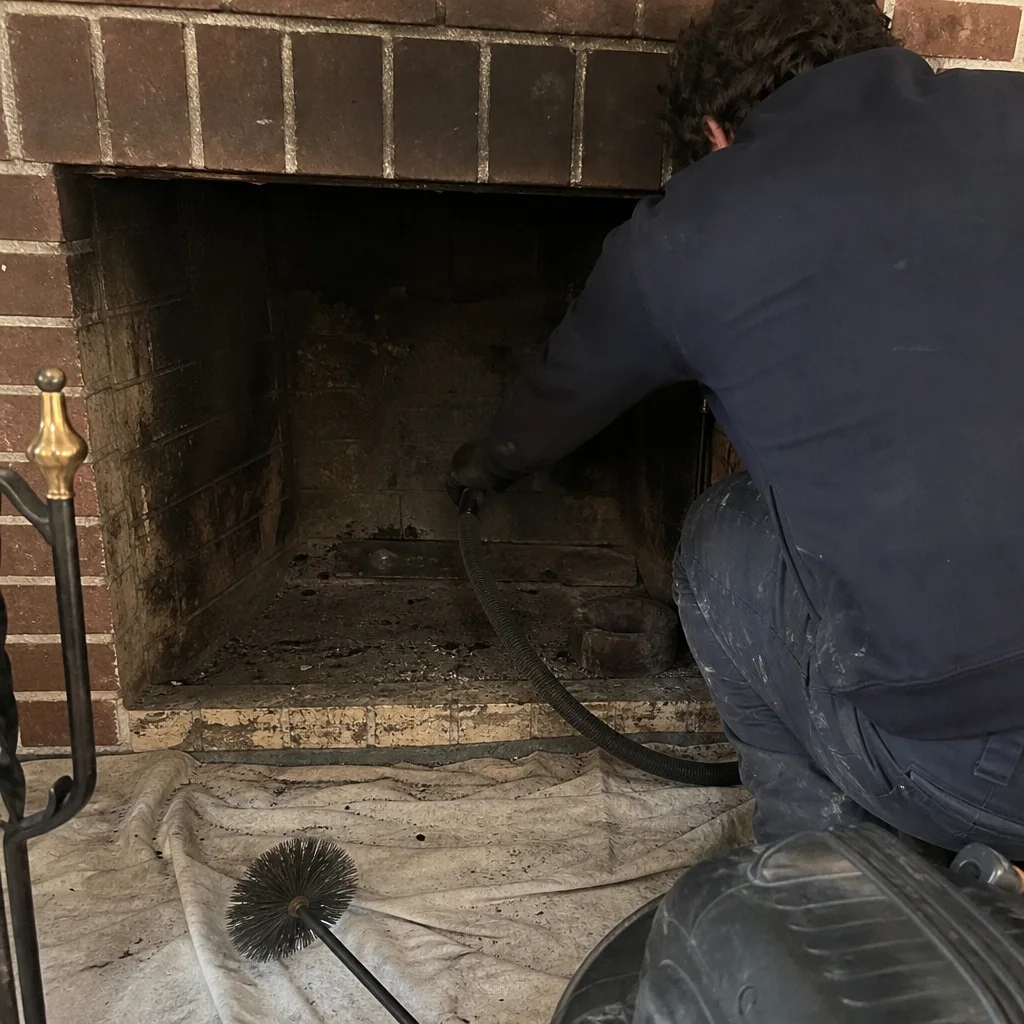 Before
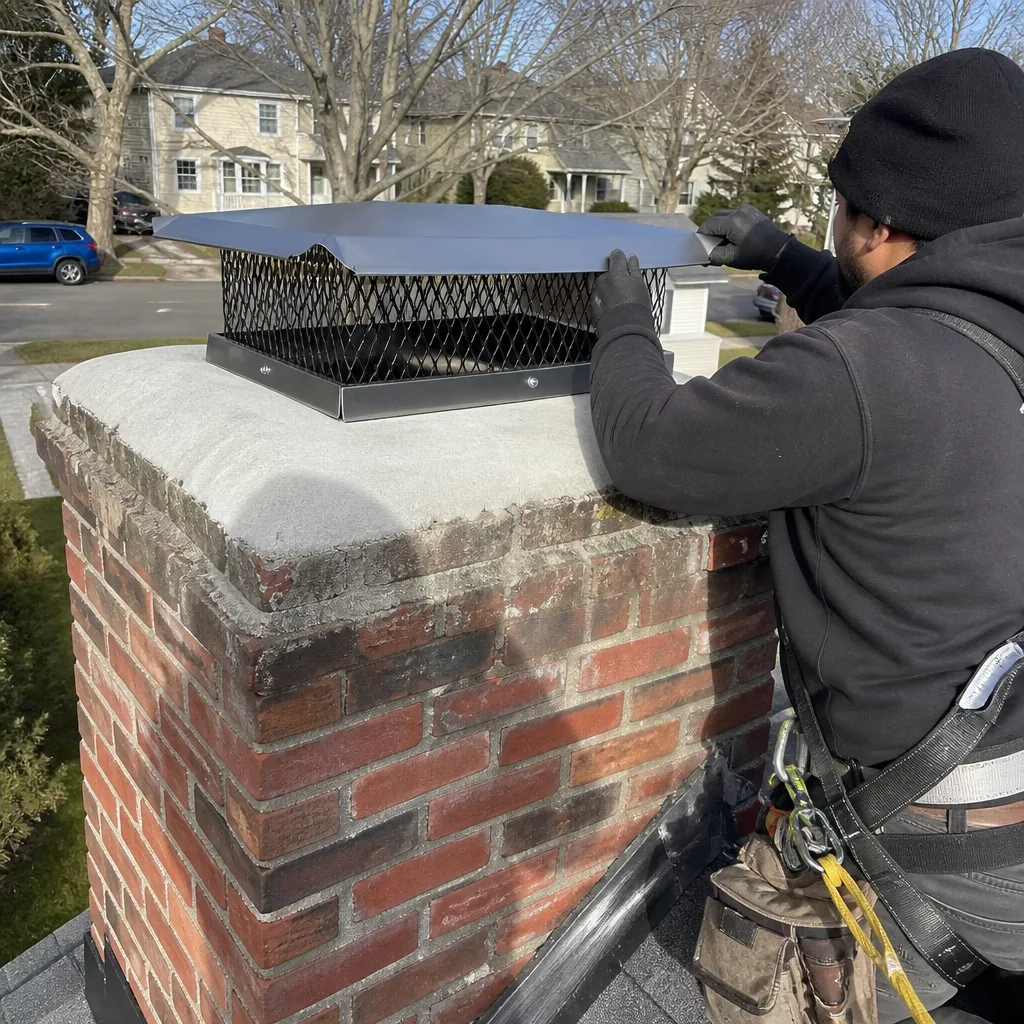 After
After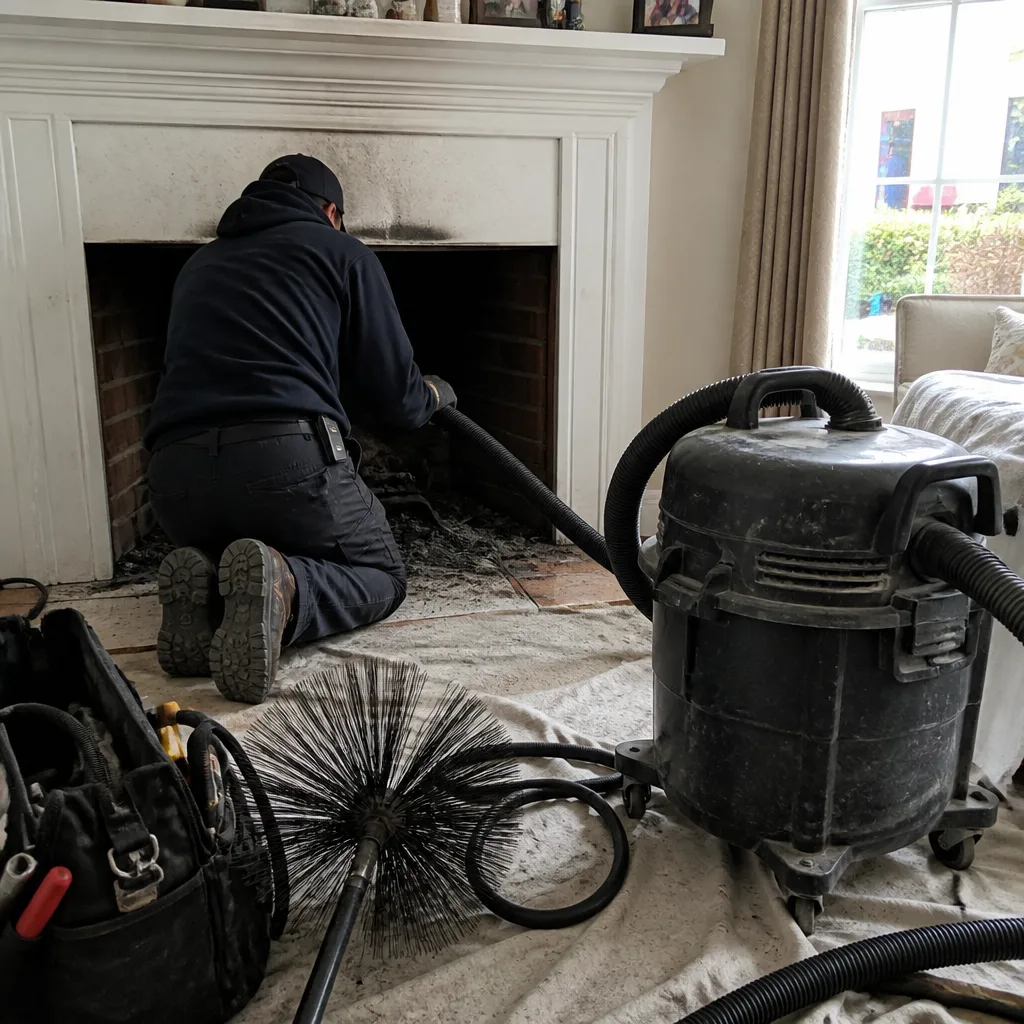 Before
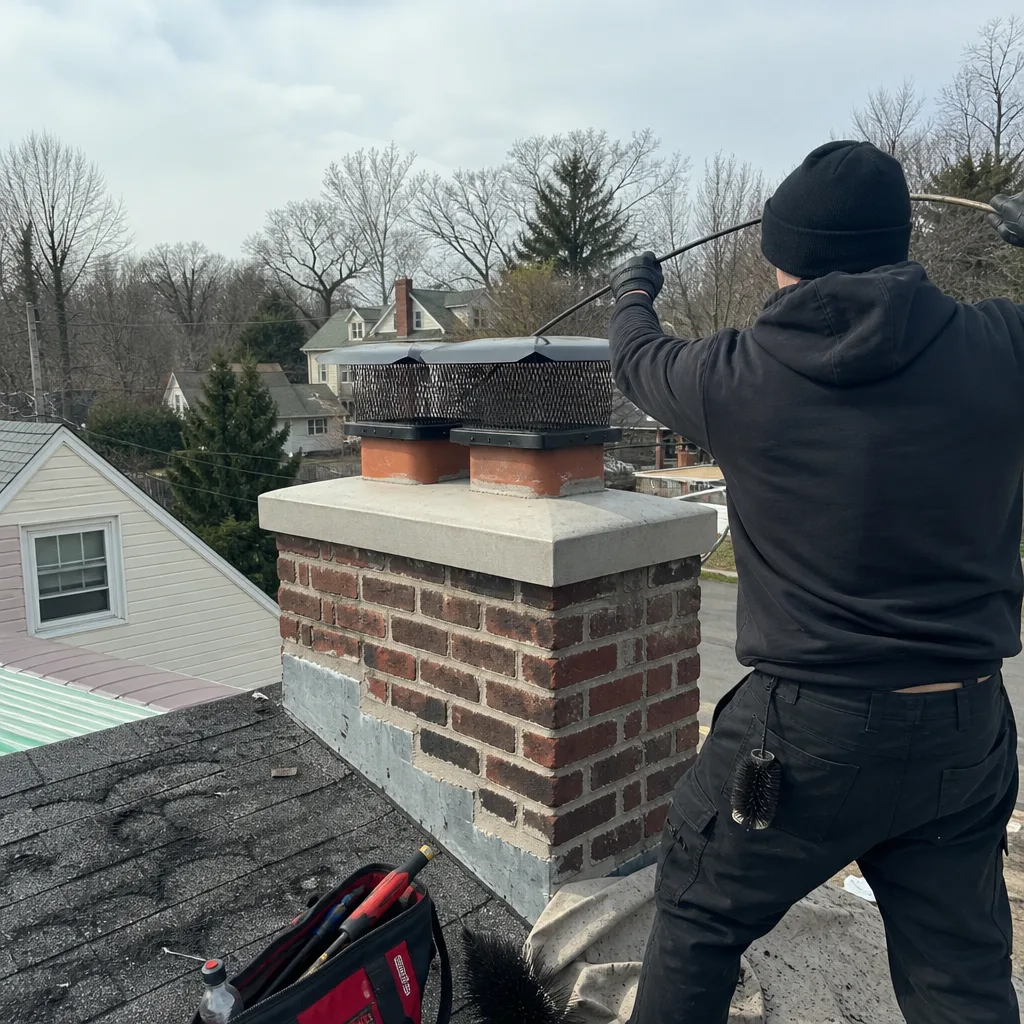 After
After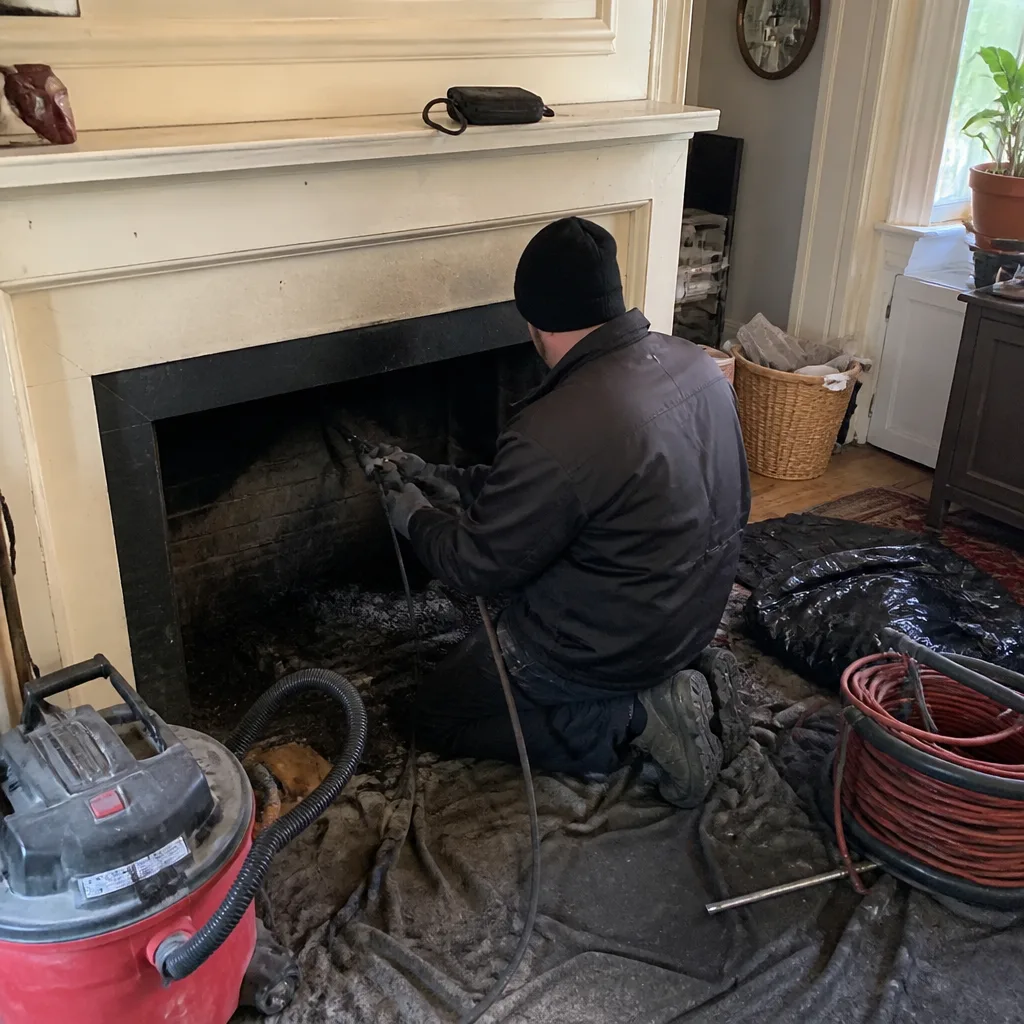 Before
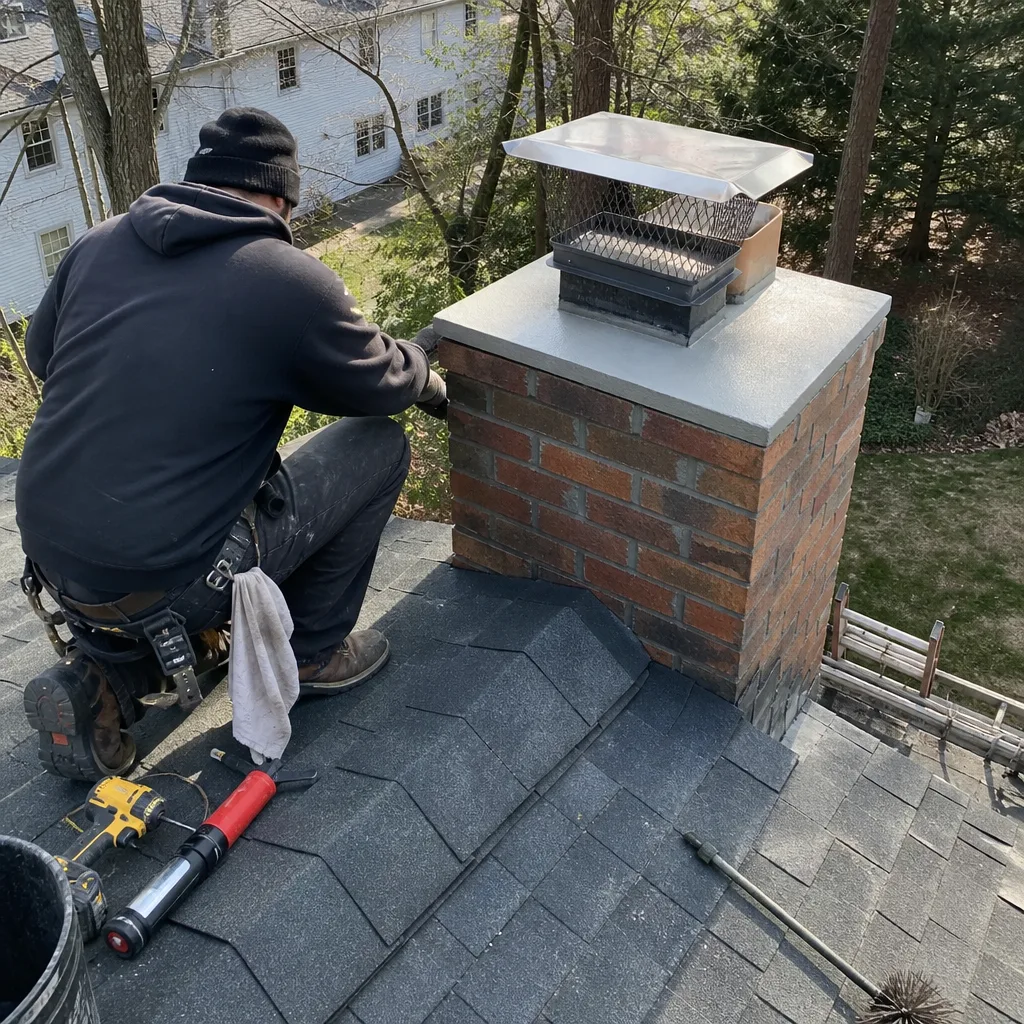 After
AfterSoot Removal in White Plains, NY
Soot removal in White Plains typically runs between $150 and $350, depending on how much buildup is present and how accessible your flue is. For a detailed breakdown, see our How Much Does Chimney Cleaning & Sweep Cost? (2026 Price Guide) - White Plains, NY. Most jobs are finished in a single visit, and we document the before-and-after with photos so you can see exactly what was done.
If your firebox walls are coated dark, your damper is leaving black smudges on your hands, or you’ve noticed a persistent smoky smell even when the fireplace isn’t in use, soot has gotten ahead of you. That’s not unusual in White Plains – homes here tend to run their fireplaces hard through November and again in March when the weather refuses to commit to spring. What matters is getting it cleaned properly before it causes a bigger problem.
At Hearthstone Chimney Co., we’ve been doing this work since 1984. Russell Haines built this company on the principle that a chimney job either gets done right or it gets done again – and we’d rather do it right the first time. Our technicians are background-checked and uniformed, they show up with professional-grade equipment and materials, and they leave your home cleaner than they found it. If you’d like to schedule our Chimney Cleaning & Sweep services or get a straight answer about what’s going on in your chimney, call us at (914) 603-1360. A live person answers every hour of every day.
Soot removal is part of the broader work we do under Chimney Cleaning & Sweep in White Plains – if you want a fuller picture of what a complete sweep involves, that page covers it in detail.
When You Need Soot Removal
Soot accumulates differently depending on how you burn and what you burn. Homeowners in White Plains who use their fireplaces as primary supplemental heat – especially in the Harrison Avenue corridor and older homes near the Gedney Farm area – often see heavier buildup than those who light a fire a few times a season. Here’s what typically signals that it’s time to call:
- Black or dark gray coating on firebox walls and the smoke shelf. A thin film of soot is normal. When you can wipe a finger across the interior brick and come away with a solid black smear an eighth of an inch thick, cleaning is overdue.
- Smoky odor in the living room when the fireplace is cold. In White Plains summers, warm humid air pushes down the flue and carries soot odor into the house. If your living room smells like a campfire in July, soot is almost always part of the reason.
- Visible soot staining on the face of the fireplace or on nearby walls. This usually means your draft is off – but it also means soot has been migrating past the firebox, and it needs to come out before it travels further.
- It’s been more than a year since your last cleaning. The National Fire Protection Association recommends annual inspection and cleaning for any chimney in regular use. In Westchester County’s climate, where fireplaces run from October through April, a year passes fast.
- You bought the house and don’t know the last service date. We see this often with White Plains homes that transfer between owners – the prior owner may have never had the chimney serviced at all. Don’t assume. Let us take a look.
- You’ve switched fuel sources or fireplace inserts. Gas logs and wood inserts leave different soot profiles. After any major change to how you’re using the fireplace, a fresh cleaning gives us a clean baseline to work from.
Our Soot Removal Process
We follow a consistent process on every job – not because it’s convenient for us, but because skipping steps is how you miss things. Here’s what a soot removal visit looks like when our technician arrives at your White Plains home:
- Protective setup before anything else. We lay drop cloths across your flooring and place a fitted cover over the fireplace opening to contain dust and debris. Your furniture, your rugs, and your walls stay clean. That’s not an afterthought – it’s the first thing we do.
- Visual and Level-2 camera inspection of the flue. Before we start cleaning, we run a camera up the flue so we know exactly what we’re dealing with. We’re looking at soot depth, the condition of the liner, any cracks in the flue tiles, and whether there’s anything beyond soot – such as creosote buildup or debris from wildlife. We show you the footage and give you a plain-English verdict on what we found. No jargon, no guessing.
- Top-to-bottom soot removal. Working from the firebox upward, our technician uses professional-grade brushes and vacuum equipment – the type carried by suppliers like Copperfield, whose tools are built for proper chimney work – to pull soot off the flue walls, smoke shelf, damper housing, and firebox interior. The vacuum runs simultaneously to capture fine particulate before it settles into your home.
- Smoke shelf and damper cleaning. The smoke shelf is where soot and debris collect most heavily and where most budget-rate cleaners spend the least time. We clean it thoroughly because a clogged smoke shelf affects draft and can allow overflow into the firebox during heavy rain – both common issues in White Plains homes with older clay tile liners.
- Post-cleaning inspection and photo documentation. Once the flue is clean, we run a final check and photograph the results. You see the before and the after. If we found anything during the initial camera pass that needs repair – a cracked tile, a deteriorating mortar joint, a damaged cap – we note it in plain writing on your report. No pressure, just the facts.
- Cleanup and honest debrief. We carry everything out, remove the drop cloths, and spend a few minutes walking you through what we found and what, if anything, needs attention. The number we quoted before we started is the number on the invoice. The 90-Day Done Right Promise covers the work in writing – if something isn’t right, we come back and make it right, no paperwork and no arguing.
Soot Removal Pricing in White Plains
Soot removal in White Plains costs between $150 and $350 for most residential fireplaces. That range reflects the variation we see in real jobs – not a bait price that climbs once we’re in your home.
| Scope of Work | Typical Price Range |
|---|---|
| Standard firebox and flue soot removal (single fireplace) | $150 – $220 |
| Heavy soot buildup with smoke shelf and damper cleaning | $220 – $295 |
| Soot removal with Level-2 camera inspection included | $250 – $350 |
| Second fireplace or additional flue on the same visit | Add $75 – $120 |
| Emergency or same-day service | Varies – call for current availability |
A few things affect where your job lands in that range. Chimneys that haven’t been cleaned in several years – or ever, which is more common than you’d think in White Plains homes built between 1930 and 1960 – tend to have heavier deposits that take longer to remove safely. Taller flues, offset flue designs, and older clay tile liners also add time. If your chimney has mixed soot and early-stage creosote, we’ll tell you that clearly, because the cleaning method is slightly different and you should know what you’re paying for.
We offer upfront pricing before any work begins – the number on the estimate is the number on the invoice. We also offer a $50 Off Any Repair Over $250 and a permanent 5% discount for seniors and veterans. If you’ve already gotten a written estimate from another company and want a second opinion, that’s free. Call (914) 603-1360 and we’ll give you a straight answer.
Why White Plains Chimneys Need Attention
White Plains sits in a part of Westchester County where the heating season is genuinely long. Temperatures drop into the 20s in January, and a fireplace that gets used four or five months a year accumulates soot faster than one that sees a dozen fires annually. Older homes in neighborhoods like Fisher Hill and Battle Hill were often built with fireplaces as the primary heat source – and the chimneys in those houses reflect decades of use.
There’s also a construction factor specific to this area. Many White Plains homes from the 1940s and 1950s were built with clay tile liners that are now reaching the end of their serviceable life. Soot accelerates the deterioration of cracked tile because it holds moisture. We see it regularly: a chimney that looks dirty from the outside turns out to have tiles with hairline fractures that are made worse by seasons of soot-and-moisture cycling. Catching that on a Level-2 camera inspection during a routine soot cleaning is far less expensive than discovering it after a chimney fire or a carbon monoxide complaint.
Russell Haines and the Hearthstone team have been working in White Plains long enough to know which neighborhoods have the oldest chimneys, which contractors cut corners on liner work in the 1990s, and where the local code requirements sit. Westchester County follows the New York State Building Code, which adopts NFPA 211 standards – meaning annual inspection isn’t just a best practice, it’s the referenced standard. We document every job as if someone is going to read that report, because sometimes they do – insurance adjusters, home inspectors, and buyers’ attorneys all ask to see chimney records.
Our work is built around materials that hold up. Where soot cleaning transitions into any repair work – relining, crown repair, or cap replacement – we use products from Gelco and Olympia Chimney, not hardware-store substitutes. The difference matters over a ten- or twenty-year horizon, which is exactly the horizon our White Plains customers are thinking about.
If you want to understand the full scope of what we do beyond soot removal, the Hearthstone Chimney Co. home page covers our complete range of services and how we approach chimney work generally.
FAQs – Soot Removal in White Plains
How often should I have soot removed from my chimney in White Plains?
An Annual Sweep is the right interval for any fireplace in regular use, and for White Plains homeowners who burn wood through a typical November-to-April season, that annual service should happen in late summer or early fall before the first fire. The NFPA 211 standard, which governs chimney maintenance under New York State code, calls for annual inspection and cleaning. If you’re burning more than three or four cords of wood per season, twice a year is worth considering. Call (914) 603-1360 and we can give you a specific recommendation based on your setup.
Is soot dangerous, and should I be worried if I have a lot of it?
Soot itself is a health hazard – the fine particulate matter it releases can irritate lungs and airways, and it carries compounds that are harmful with repeated exposure. More urgently, heavy soot buildup reduces draft efficiency and can be a precursor to creosote formation, which is the material that actually fuels chimney fires. If your soot layer has a shiny or tar-like appearance in any section of the flue, that’s early-stage creosote and it warrants prompt attention from a trained sweep. We flag this during every Level-2 camera inspection so there are no surprises. This is not a job to leave for next season if the buildup is significant.
Can I remove soot myself, or should I hire a professional?
You can clean light soot from the firebox walls yourself with the right brushes and a HEPA vacuum, and it’s fine to do routine surface maintenance between professional cleanings. The flue itself is a different matter. Working inside an unlit chimney from the firebox opening without the right equipment distributes fine soot throughout the room, and you can’t see what you’re doing above the smoke shelf without a camera. More practically, a DIY cleaning tells you nothing about the condition of the liner, the damper, the crown, or the cap – all the things that determine whether your chimney is safe to use. A professional cleaning that includes a camera inspection is the only way to get a complete picture.
What’s included in Hearthstone’s soot removal service – and what’s the guarantee?
Every soot removal visit includes protective setup, a Level-2 camera inspection of the flue, full soot removal from the firebox, smoke shelf, and flue walls, a post-cleaning photo record, and a plain-English written report on anything we found. Pricing is upfront – the estimate number is the invoice number, no adjustments at the end. All work is covered by our 90-Day Done Right Promise: if it’s not done right, we come back and make it right, backed in writing with no paperwork and no arguing. Call (914) 603-1360 or search Chimney Cleaning & Sweep Near Me in White Plains, NY for a free estimate on your home.
Written by Russell Haines, Owner at Hearthstone Chimney Co., serving White Plains since 1984.