
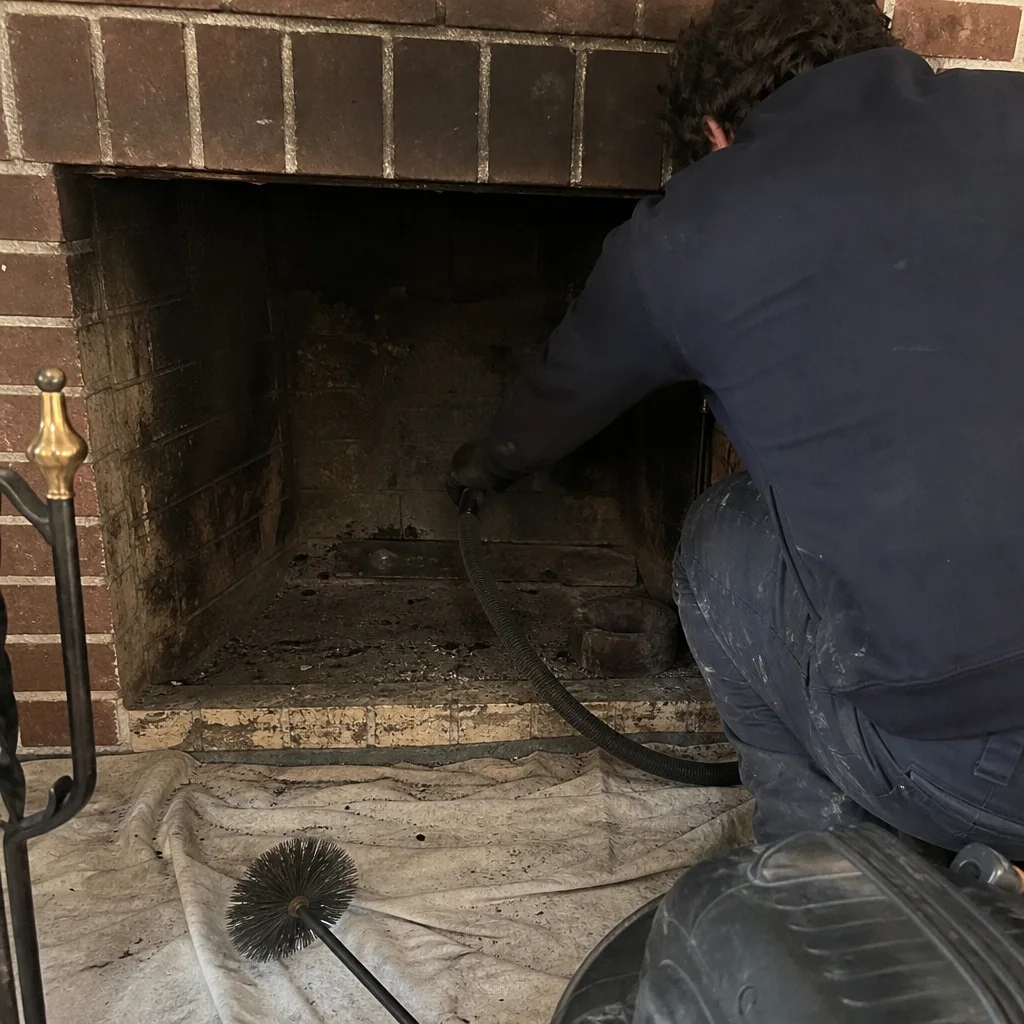
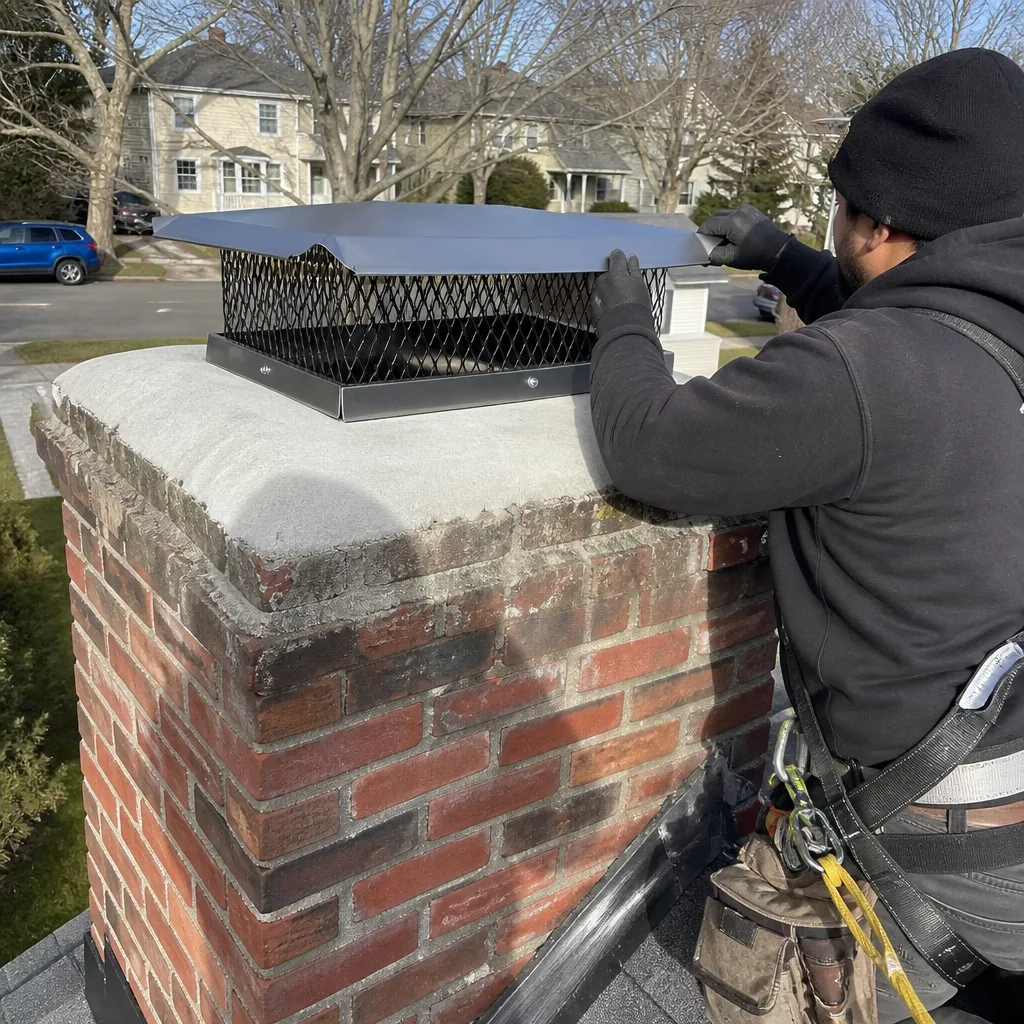
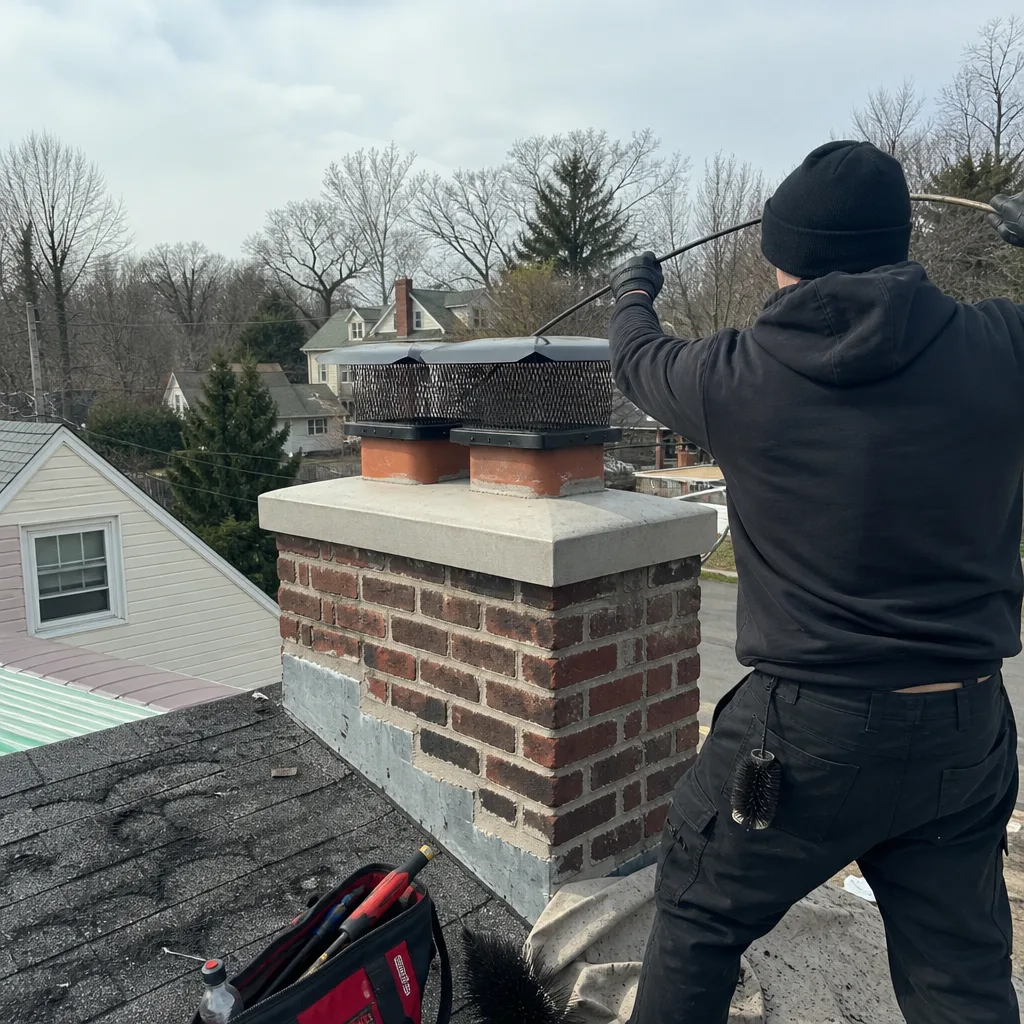
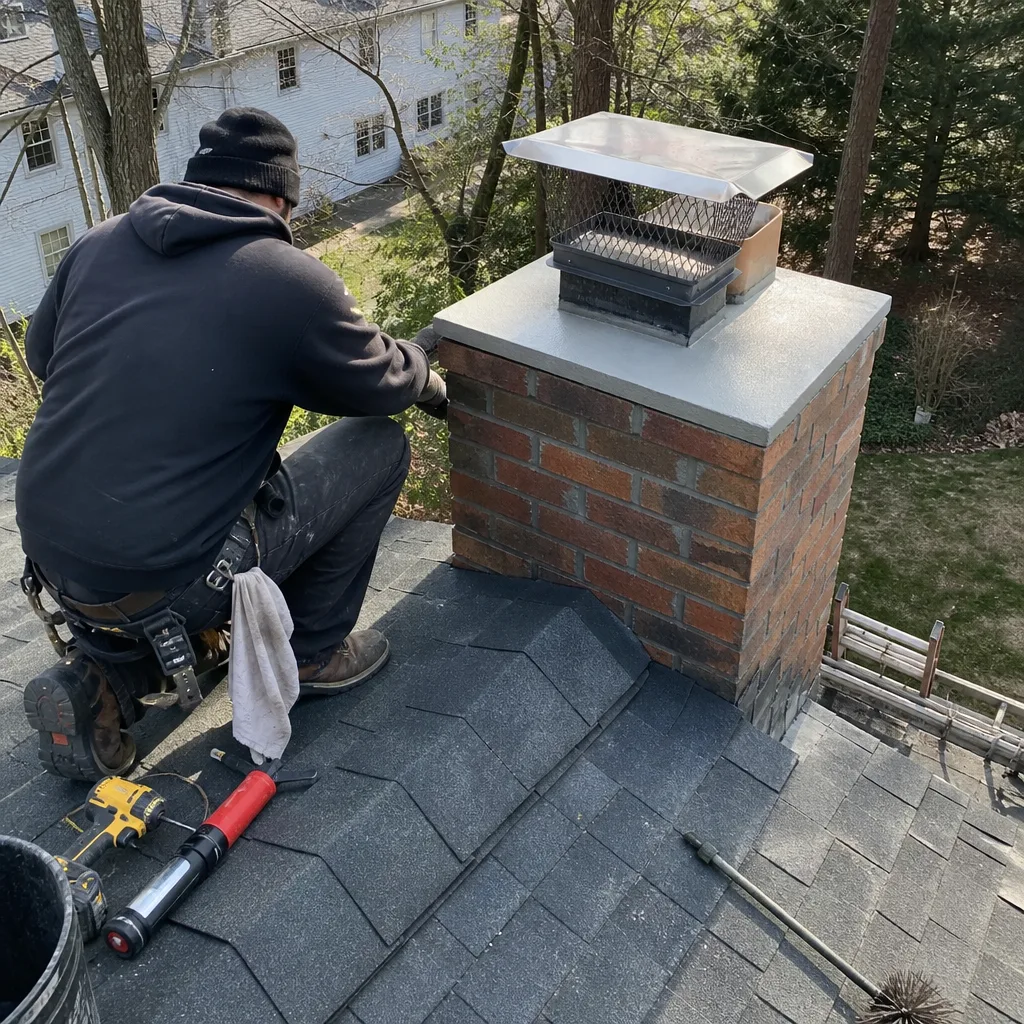
Level 1 sweep and inspection to the NFPA 211 annual standard - flue, crown, cap, and flashing checked and photographed
Chimney sweep logs do not sweep chimneys. They loosen some creosote - which then falls where a brush and vacuum still have to collect it.
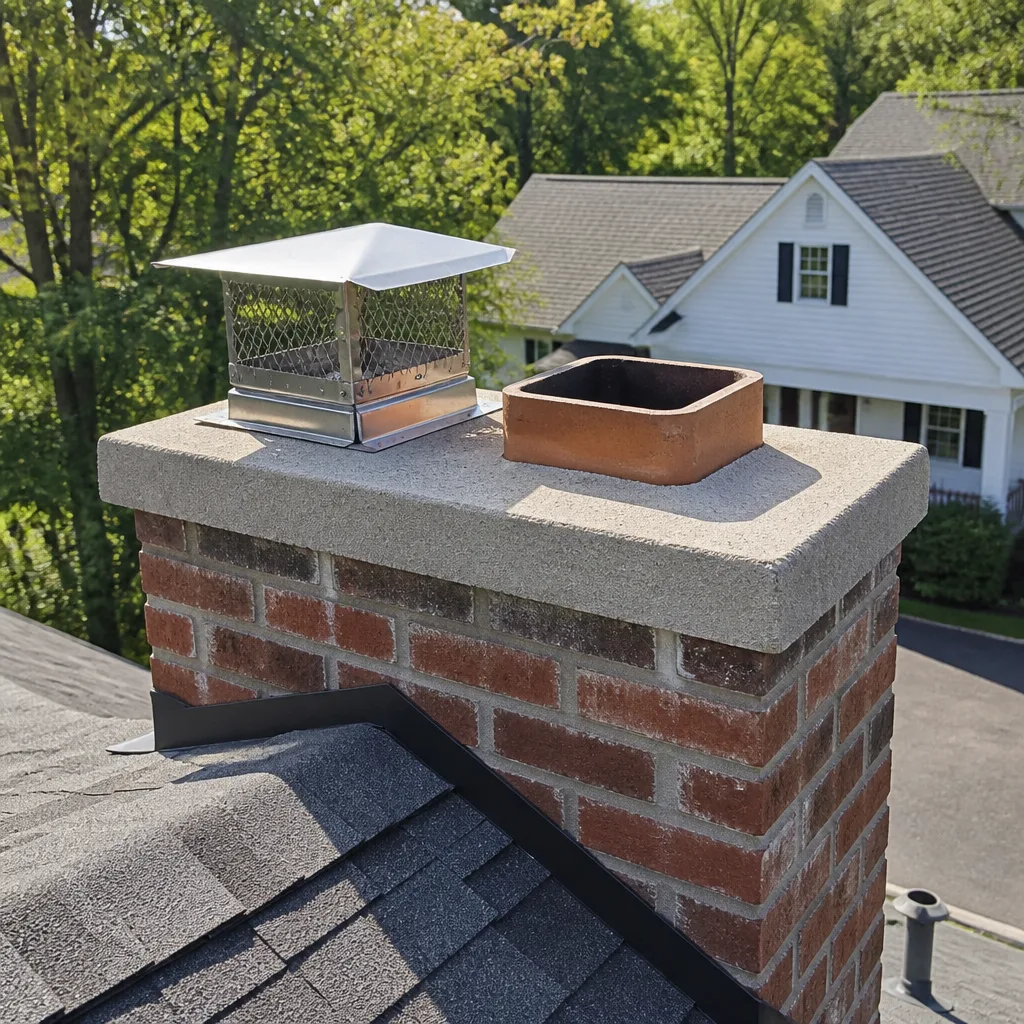
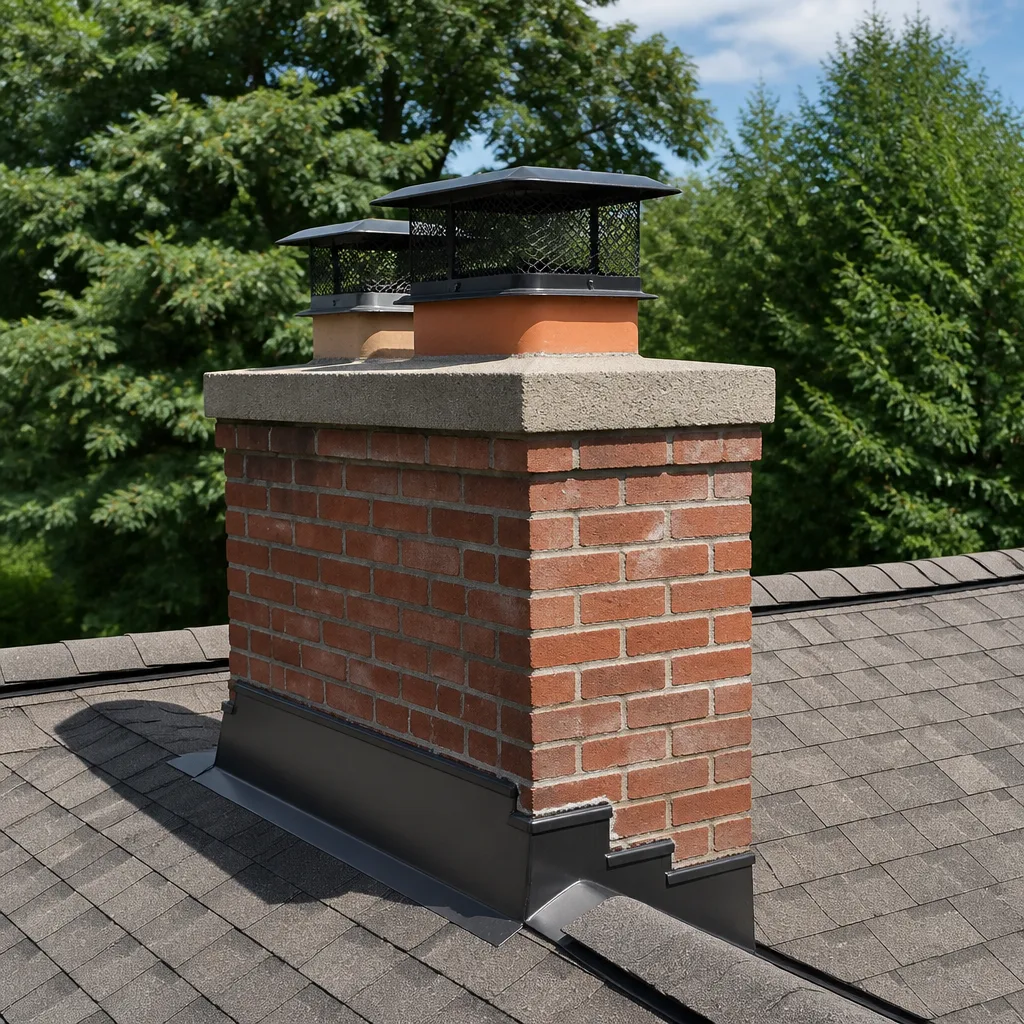
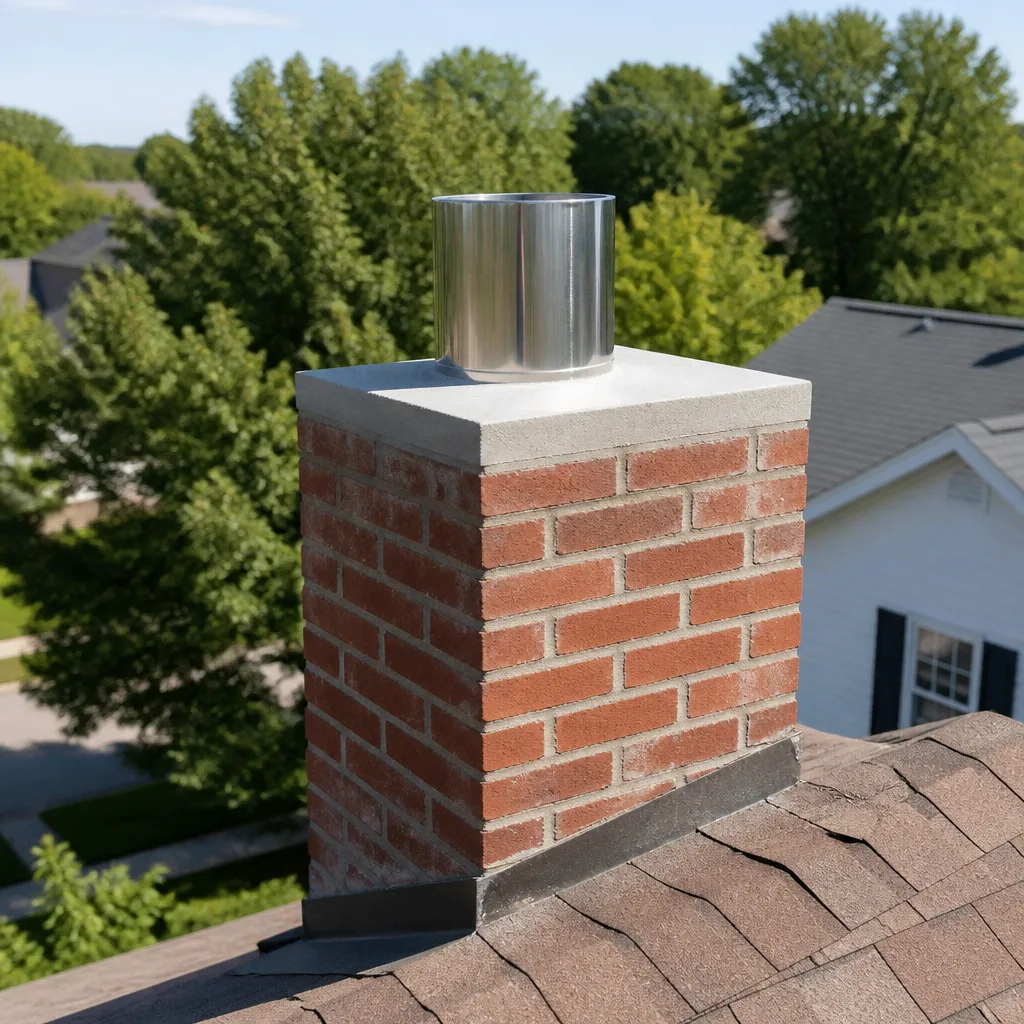
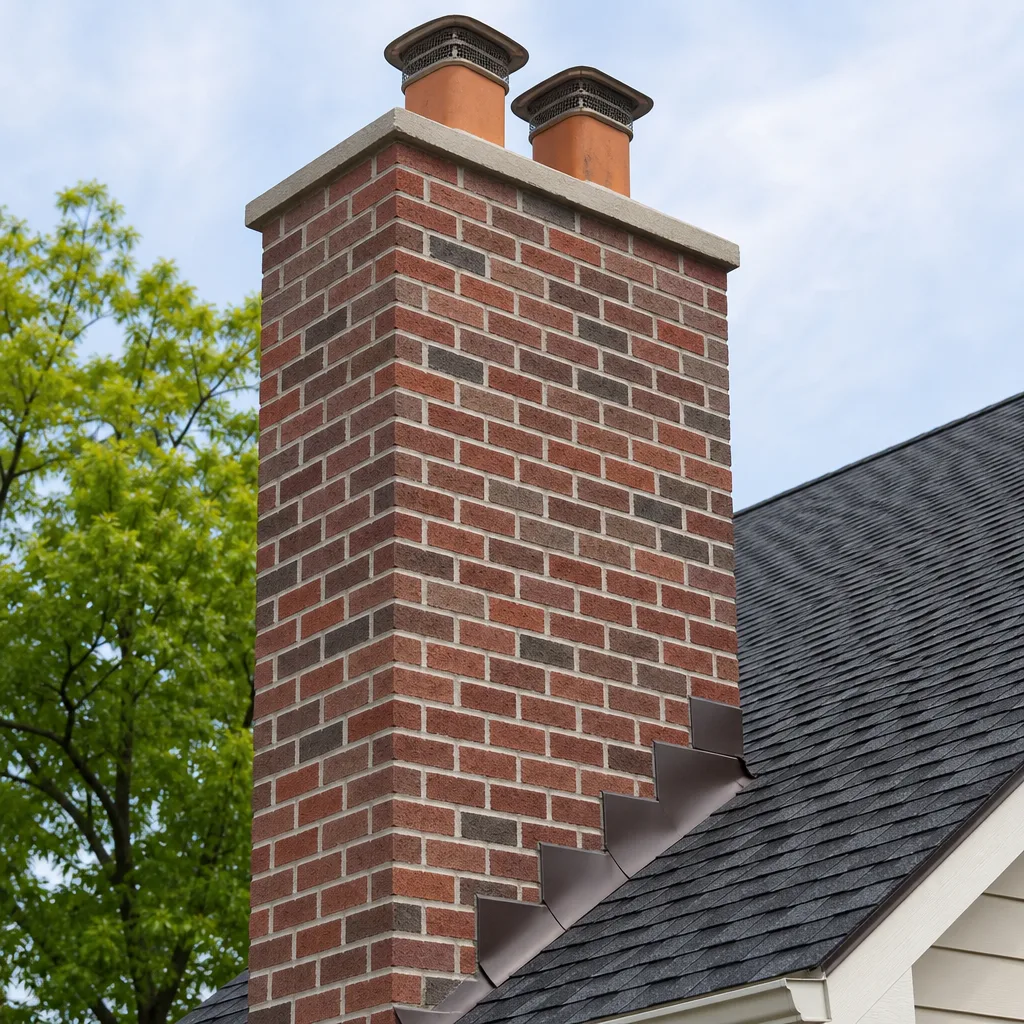
 Before
 After
After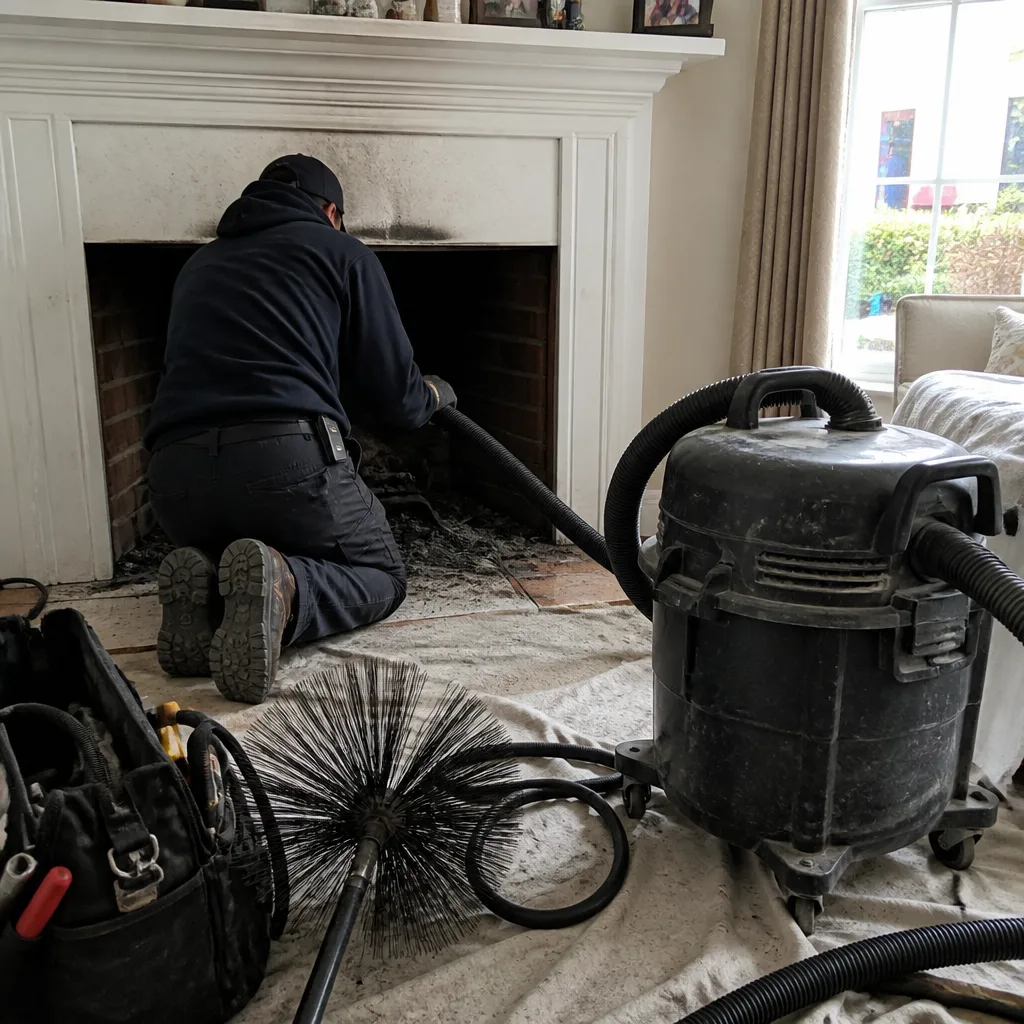 Before
 After
After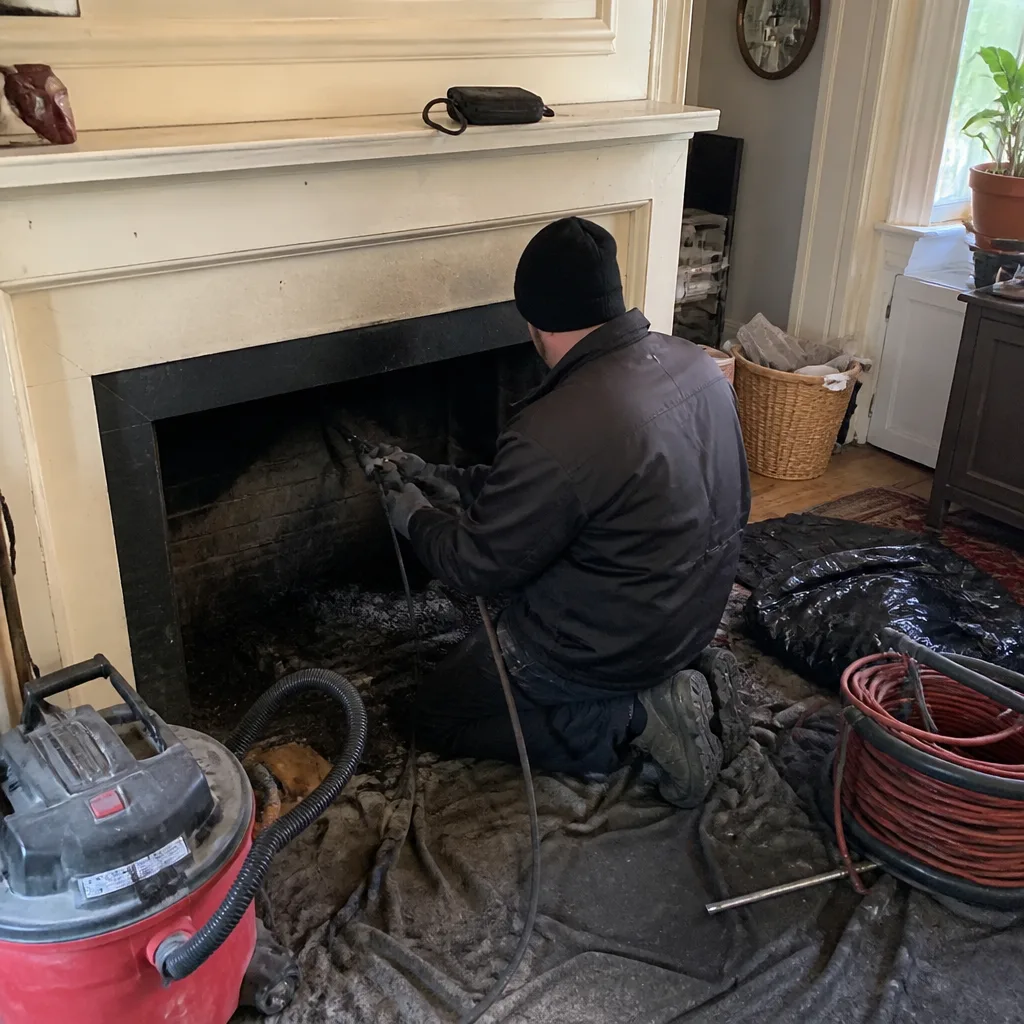 Before
 After
AfterMortar Repointing in White Plains, NY
Mortar repointing is the process of removing deteriorated mortar from the joints between chimney masonry and packing in fresh, professional-grade mortar to restore a weathertight bond. In White Plains, where freeze-thaw cycles hit hard every winter and humid summers accelerate the breakdown of aging mortar, most chimneys built before 2000 show measurable joint erosion by the time they reach their third or fourth decade. If the mortar in your joints is crumbling, cracking, or recessing more than a quarter inch, it’s time to repoint – and the sooner it’s addressed, the less masonry you’ll need to replace later.
At Hearthstone Chimney Co., we’ve been repointing chimneys in White Plains and the surrounding Westchester communities since 1984 – over 42 years of working on the same kinds of stone and brick chimneys this area is full of. Russell Haines leads every inspection personally, and our technicians match mortar formulation to what’s already in your chimney rather than using a one-bag-fits-all product. If you’d like to talk through what you’re seeing, call us at (914) 603-1360 – a live person will answer, any hour of the day. Mortar repointing is one of many repairs covered under our Chimney Repair in White Plains services, and it’s consistently one of the repairs that gives homeowners the most value per dollar when caught before the masonry itself starts to move.
When You Need Mortar Repointing
Most homeowners don’t notice joint erosion until it’s been going on for years. That’s understandable – the changes happen slowly, and the chimney keeps standing. Here’s what to look for, especially if your chimney is more than 20 years old:
- Joints that look hollowed out or concave. If you can press a key or a fingernail into the mortar line and it crumbles or sinks more than roughly a quarter inch, the joint has lost its structural integrity. In White Plains neighborhoods like Gedney Farms and Fisher Hill, where older brick Colonials are common, we see this in joints that have simply never been touched since original construction.
- White staining (efflorescence) on the chimney face. That chalky white residue means water is moving through the masonry and pushing mineral salts to the surface. It’s a reliable early signal that mortar joints are letting moisture in.
- Mortar debris in the firebox or on the roof. Finding small chunks of sandy material in the firebox or noticing granules on your flashing line often means joints have opened up enough to allow material to fall. That’s past the early stage.
- Water stains on interior walls near the fireplace. If moisture is tracking into the house through the chimney system, failed mortar joints are a likely entry point – and White Plains winters give that water plenty of freeze-thaw cycles to widen the gap.
- Cracks running along the joint lines rather than through the brick. A crack through the face of a brick is a different problem. A crack that follows the mortar joint tells you the joint material has failed and the bond is gone.
- A chimney that hasn’t been inspected in more than five years. In our experience doing Level-2 camera inspections across White Plains, mortar deterioration is one of the most commonly missed conditions – because it’s gradual, and because most homeowners are looking at the interior fireplace, not the exterior joints twelve feet up.
Our Mortar Repointing Process
Repointing done carelessly creates more problems than it solves. Packing new mortar over old deteriorated material, or using a mortar mix that’s harder than the surrounding brick, can accelerate damage rather than stop it. Here is exactly how we work:
- Full exterior inspection, documented with photos. Before a single joint is touched, we photograph the chimney from every accessible angle. Russell Haines built the practice of giving homeowners photos they can actually see and a plain-English explanation of what we found – not a vague verbal summary. You’ll know what’s failing, where, and why before we ask you to approve a dollar of work.
- Mortar analysis and mix matching. Older White Plains chimneys – particularly those built between 1920 and 1970 – were often laid with softer lime-based mortars. Packing in a modern Portland cement mix that’s significantly harder than the surrounding brick causes the brick faces to spall when the structure moves seasonally. We analyze the existing mortar and formulate a replacement mix that bonds properly without overpowering the masonry around it.
- Mechanical removal of deteriorated mortar. We cut or grind out the failed material to a consistent depth – typically three-quarters of an inch to one inch – using angle grinders or oscillating tools as the joint width allows. This is detail work that takes time. Shortcuts here are what cause repointing jobs to fail within a few seasons.
- Joint preparation and cleaning. Once the old material is out, we clean the joint thoroughly to remove dust, loose fragments, and any organic debris. The new mortar needs clean masonry to bond to – a dry-brush or air-purge step makes the difference between a joint that lasts and one that pops loose in two winters.
- Application of professional-grade mortar in lifts. We pack the new mortar in layers rather than all at once, which reduces shrinkage and improves the final bond strength. For chimneys requiring high-heat-rated mortar near the firebox crown area, we use materials from trusted suppliers like Gelco and Copperfield – not builder-grade product from a home center shelf.
- Tooling, cure check, and final documentation. Once the mortar reaches the right consistency, we tool the joints to match the profile of the original work – a detail that matters both structurally and visually. We do a final walk with the homeowner, explain what was done, and leave the job site clean. Most repointing jobs in White Plains are completed in a single visit, and every job is backed by the 90-Day Done Right Promise in writing.
Mortar Repointing Pricing in White Plains
Mortar repointing in White Plains typically runs between $400 and $1,800 for a standard residential chimney, depending on how much of the chimney needs work and how accessible it is. For a detailed breakdown, see How Much Does Chimney Repair Cost? (2026 Price Guide) - White Plains, NY. That’s a wide range, and it’s honest – we’re not going to quote a low number to get in the door and then add to it. Here’s what moves the price:
| Scope of Work | Typical Range (White Plains) |
|---|---|
| Spot repointing – localized section, 10-20 joints | $400 – $650 |
| Partial repointing – one or two chimney faces | $650 – $1,100 |
| Full chimney repointing – all four sides, ground to cap | $1,100 – $1,800 |
| Repointing plus chimney crown repair (combined) | $1,200 – $2,400 |
The number on our estimate is the number on the invoice. No-hassle upfront pricing is not a slogan – it’s how we’ve stayed in business in this community for over four decades. What raises the cost: a chimney taller than two stories (requires additional staging), extensive mortar erosion that spans most of the structure, stone chimneys with irregular joint profiles that require more hand-tooling time, or access restrictions common on tightly set properties in areas like Battle Hill or the Highlands section of White Plains.
Current offers: $50 off any repair over $250, a permanent 5% discount for seniors and veterans, and a free second opinion on any written estimate you’ve already received from another contractor. Call (914) 603-1360 to schedule – the estimate itself is free.
Why Mortar Formulation Matters More Than Most Homeowners Know
This is the part of the conversation that most contractors skip because it’s easier to grab a bag of premixed mortar and get the job done fast. But mortar hardness is genuinely important, and it’s a point Russell Haines makes to every homeowner we talk through repointing with.
Brick and stone are slightly porous and move – fractionally, seasonally – as temperatures rise and fall. The mortar joint is designed to be the sacrificial element in that relationship. It’s supposed to absorb small movements and eventually weather, while the brick stays intact. When you replace a soft original mortar with a harder modern mix, the math changes. The joint no longer flexes. Instead, the brick face takes the stress, and you end up with spalling – brick faces popping off – that costs far more to repair than the repointing job you started with.
In White Plains, where we work on chimneys from the 1890s through the 1980s, mortar matching isn’t an upsell. It’s the reason the work holds. We use materials from Olympia Chimney and Copperfield supply lines in addition to sourcing specific lime-based formulations when the original construction calls for it. A repointing job done correctly should hold for 20 to 30 years before it needs attention again. Done with the wrong material, you’re back in five.
The 90-Day Done Right Promise
Every repointing job we complete in White Plains is covered by the 90-Day Done Right Promise. If something we did isn’t right – a joint that didn’t bond properly, a section that wasn’t caught in the original scope – we come back and we make it right. In writing, no arguing, no paperwork maze. That’s the commitment that sits under every invoice we hand over.
We back this with the K.E.Y.S. values code: Krafted right, Every time, Your home first, Standing behind it. It’s not a marketing phrase. It’s the operating standard that 42 years of repeat business in Westchester County is built on. A company that cuts corners doesn’t get called back by the same families decade after decade. We do.
Frequently Asked Questions – Mortar Repointing in White Plains
How much does mortar repointing cost in White Plains?
Mortar repointing in White Plains typically costs between $400 and $1,800 for a standard residential chimney, depending on how many joints need work, how accessible the chimney is, and whether additional repairs like crown work are needed. Spot repairs on a small section can come in at the lower end; full four-side repointing on a taller chimney sits at the higher end. The estimate is free – call (914) 603-1360 and we’ll take a look and give you a straight number before any work begins.
How do I know if my chimney needs repointing or full rebuilding?
Repointing is the right repair when the brick or stone itself is structurally sound and the mortar joints are what’s failing – receding, crumbling, or cracked along the joint lines. When the masonry units themselves are spalling, shifted, or missing in sections, rebuilding may be necessary. A Level-2 camera inspection gives a clear answer, documented with photos you can review. We won’t recommend a rebuild when repointing will do the job – that’s not how we stay in business in a community we’ve served since 1984.
Can mortar repointing be done in cold weather?
Fresh mortar needs temperatures above roughly 40 degrees Fahrenheit to cure properly, and it can’t be applied to frozen masonry. We schedule repointing in White Plains from mid-spring through mid-fall as a general rule, though warm stretches in late October and early March can sometimes work. If you’re seeing obvious joint erosion heading into winter, the practical answer is to get the inspection done now, have the work ready to schedule when conditions allow, and protect the chimney with a waterproofing application in the meantime if the deterioration is significant. Call us and we’ll give you an honest assessment of what needs to happen before the cold sets in.
Is repointing something I can do myself?
Scraping out a few loose surface joints with a chisel and packing in premixed mortar from a hardware store is something a careful homeowner can do on accessible, low sections of a structure. On a chimney – which is a structural masonry element that handles heat, moisture, and weather year-round – the considerations around mortar hardness, joint depth, and proper tooling are significant enough that a DIY repair can shorten the life of the surrounding masonry. More practically, most of a chimney’s joints are not safely reachable without proper ladder staging. We’ve repaired DIY repointing jobs in White Plains where the wrong mortar mix caused brick spalling within three seasons. It’s a job worth doing right the first time.
Serving White Plains and Westchester County Since 1984
Our home base is in this community, and we plan to be here long after the current work is done. White Plains is a city with a real range of chimney ages and construction styles – Federal-era stone chimneys in the older neighborhoods, mid-century brick in areas like Eastview and Gedney Park, and more recent construction closer to the commercial corridors. We know these structures. We’ve seen what happens when repointing gets deferred year after year through a Westchester winter, and we’ve put in the work to understand what the repair actually requires instead of what’s fastest to bill.
For a full picture of what we do, visit the Chimney Repair in White Plains page – mortar repointing is one part of a broader repair picture that may include crown repair, flashing work, or liner assessment depending on what the inspection turns up.
If you’re seeing signs of mortar erosion on your chimney, or if it’s simply been a long time since anyone took a proper look, contact us about our Chimney Repair services or call (914) 603-1360. A live person will answer. We’ll set up a time that works for you, send a background-checked, uniformed technician who shows up when we say, and give you a straight estimate before any work begins. The 90-Day Done Right Promise covers everything we do – in writing, no arguing.
Written by Russell Haines, Owner at Hearthstone Chimney Co., serving White Plains since 1984.