
Last updated September 10, 2026
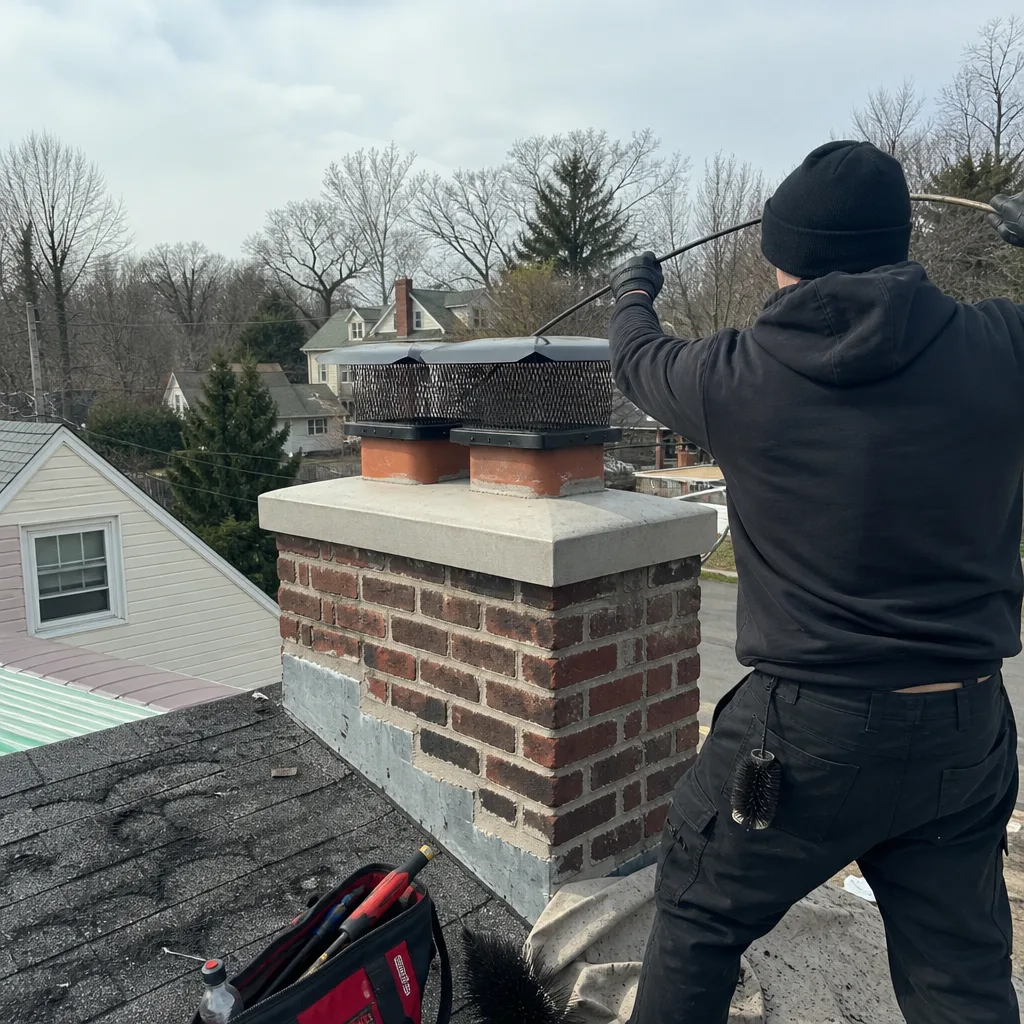
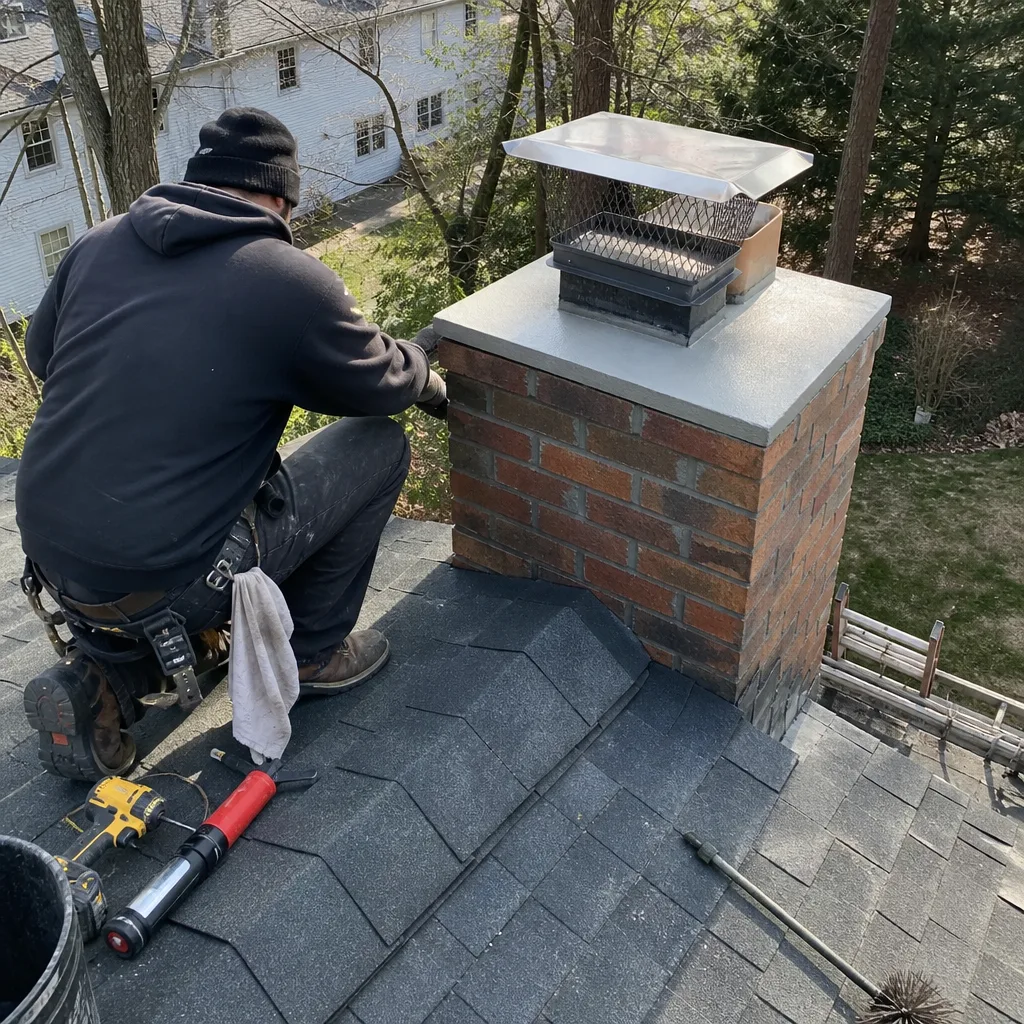
Level 1 sweep and inspection to the NFPA 211 annual standard - flue, crown, cap, and flashing checked and photographed
Chimney sweep logs do not sweep chimneys. They loosen some creosote - which then falls where a brush and vacuum still have to collect it.
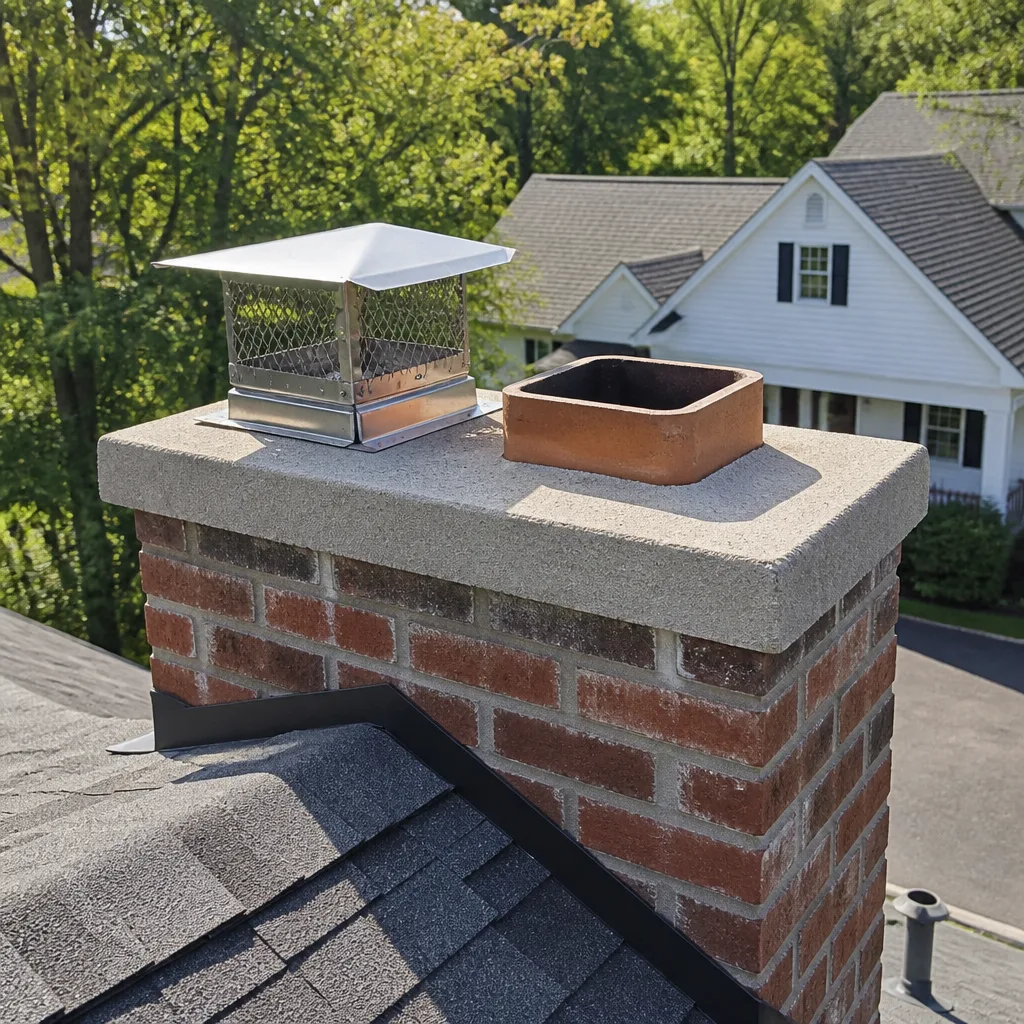
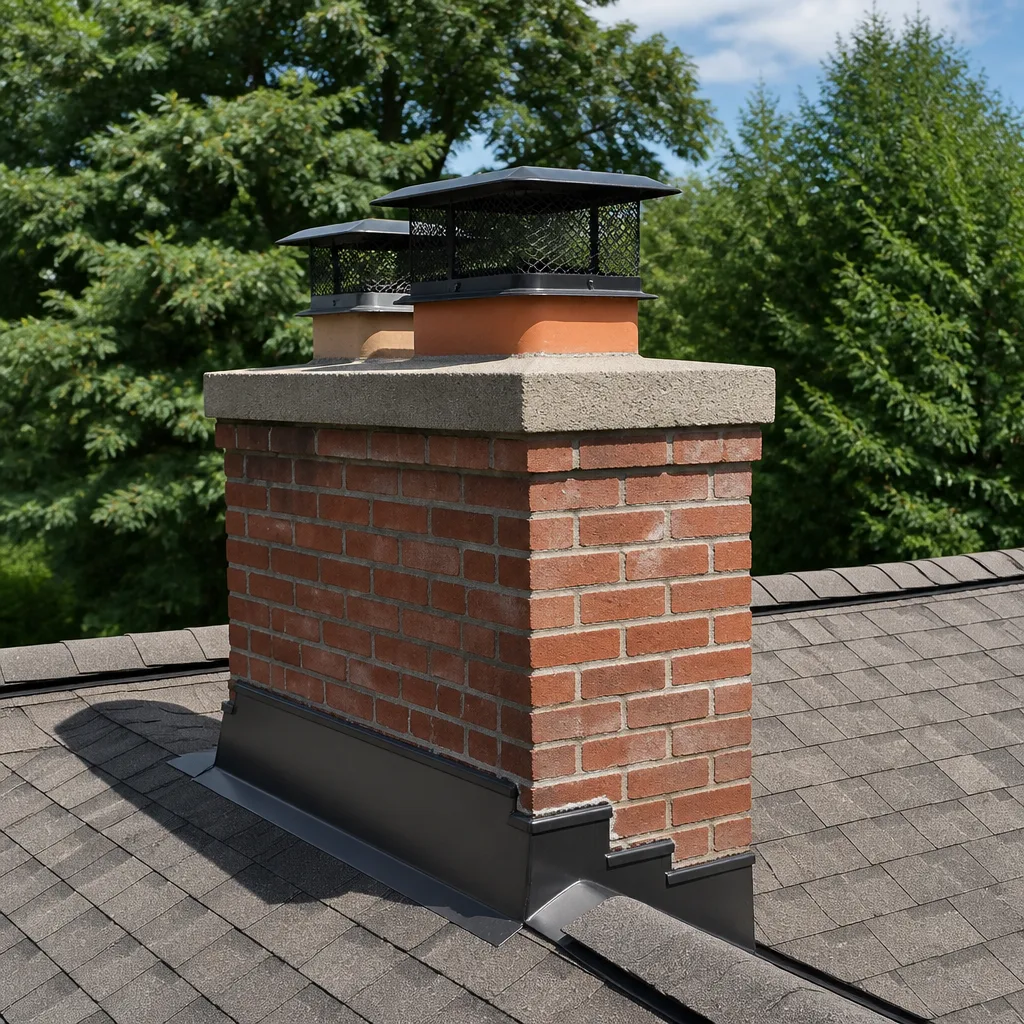
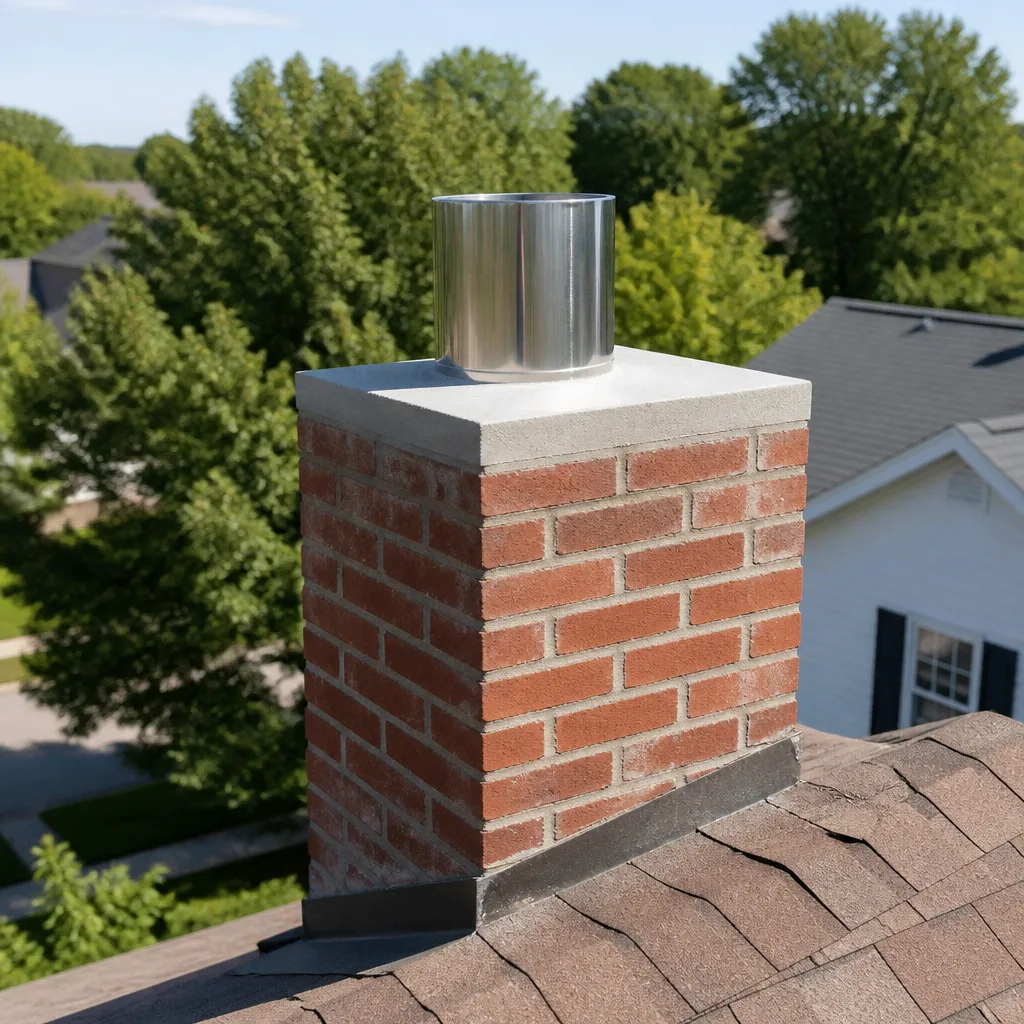
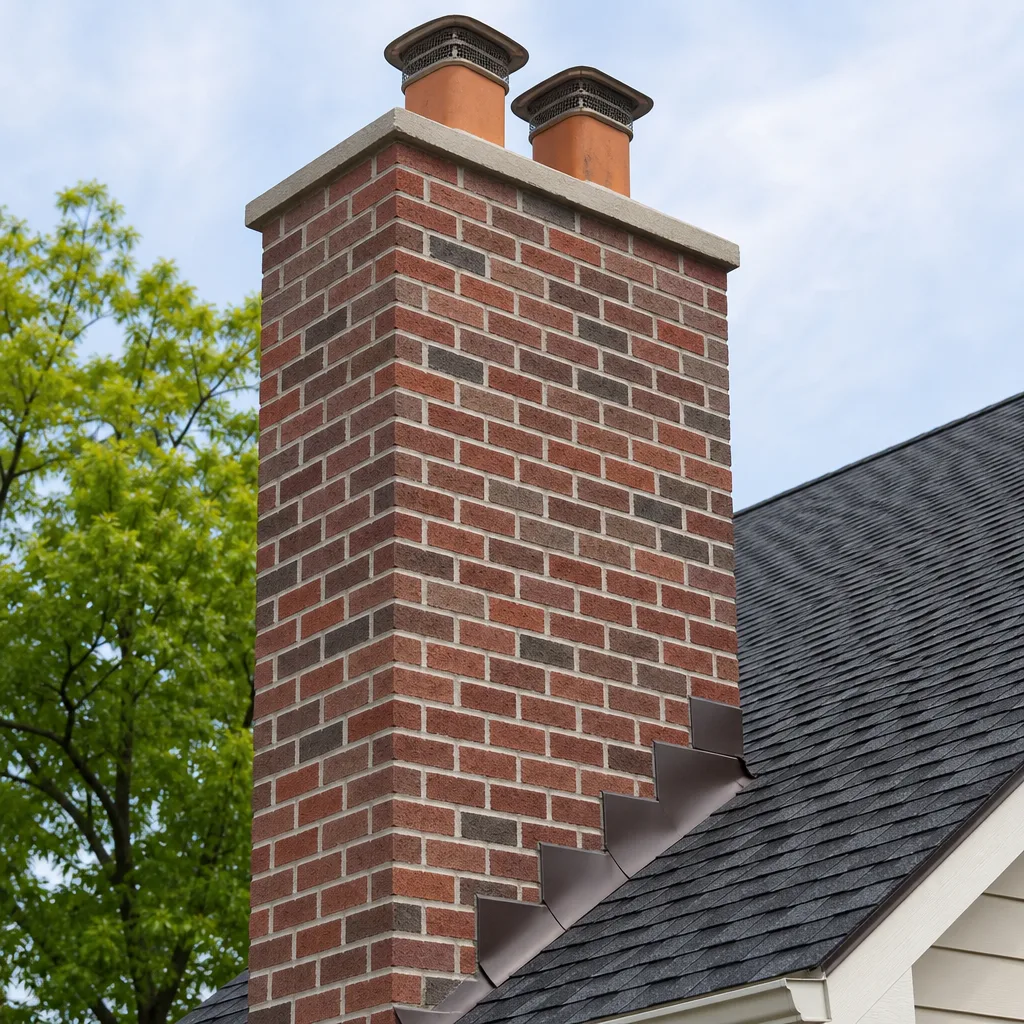
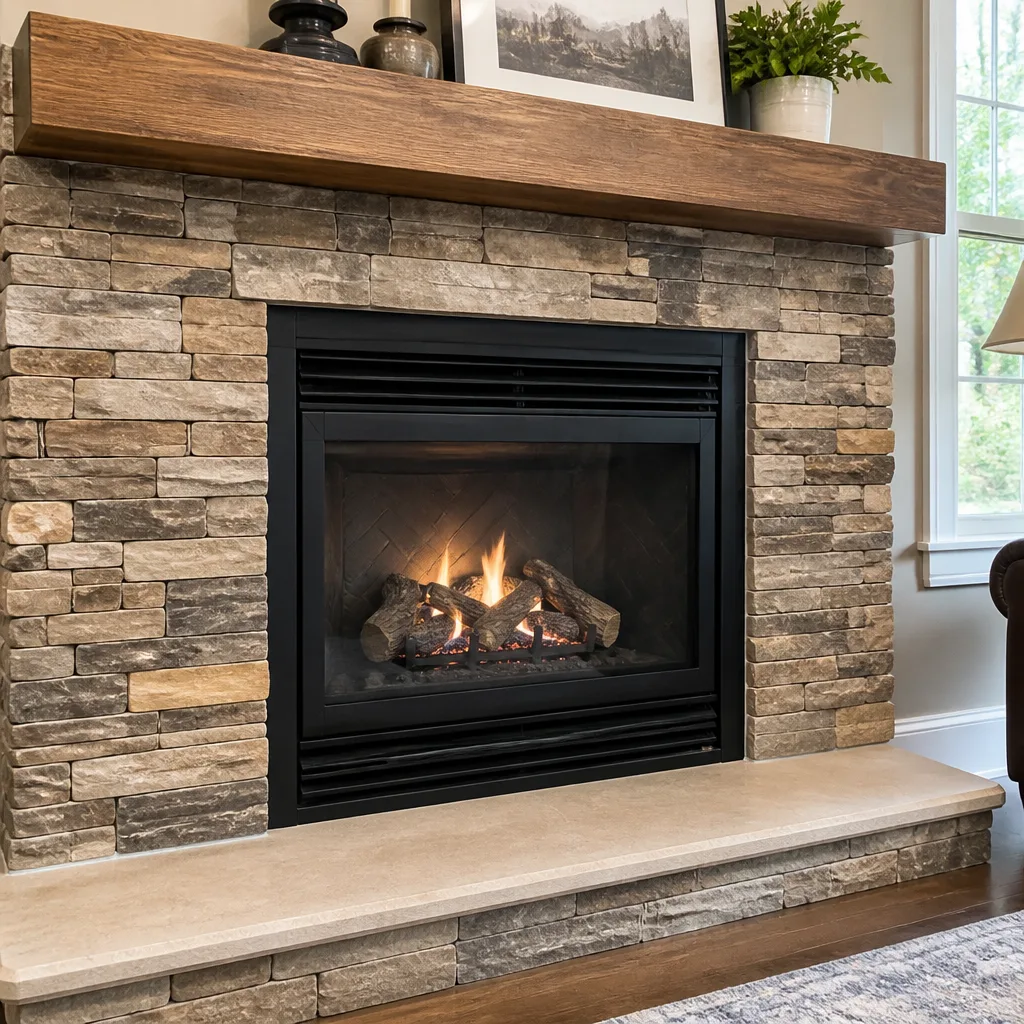
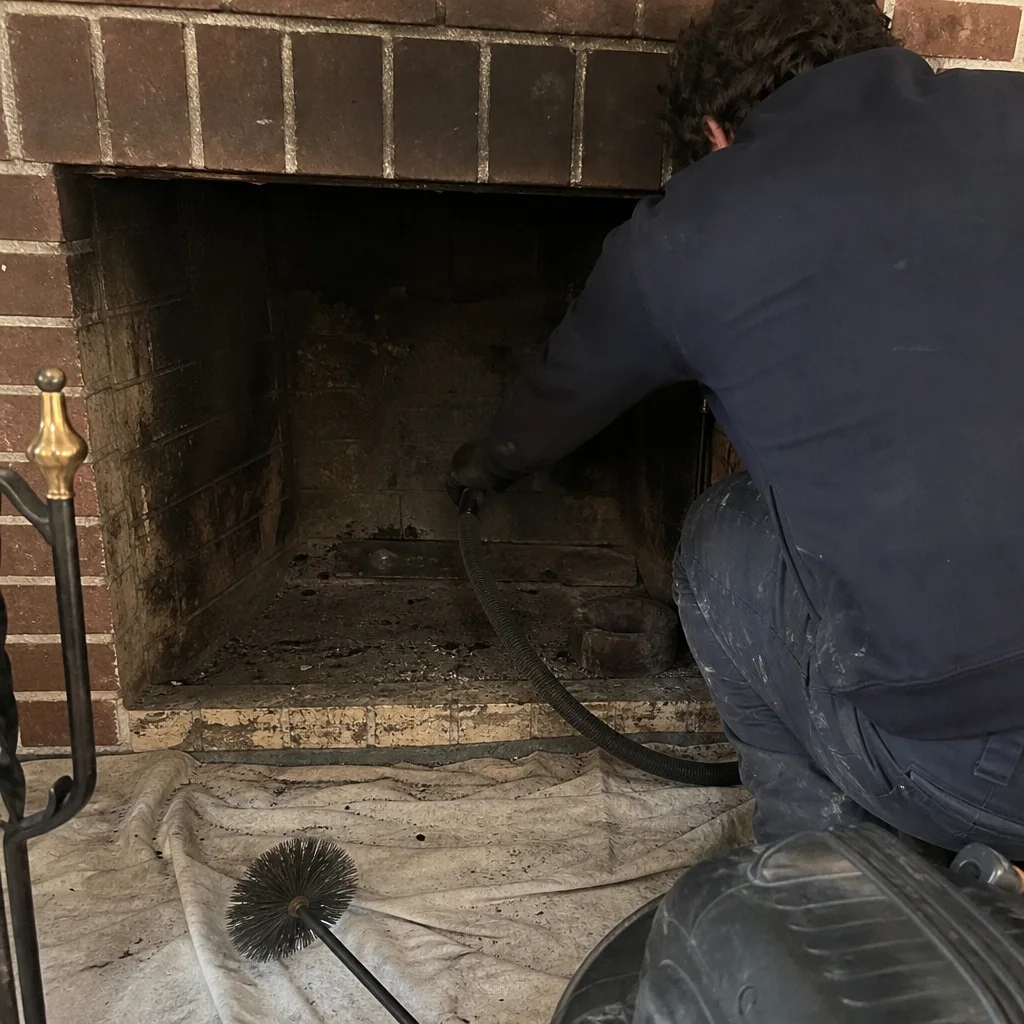 Before
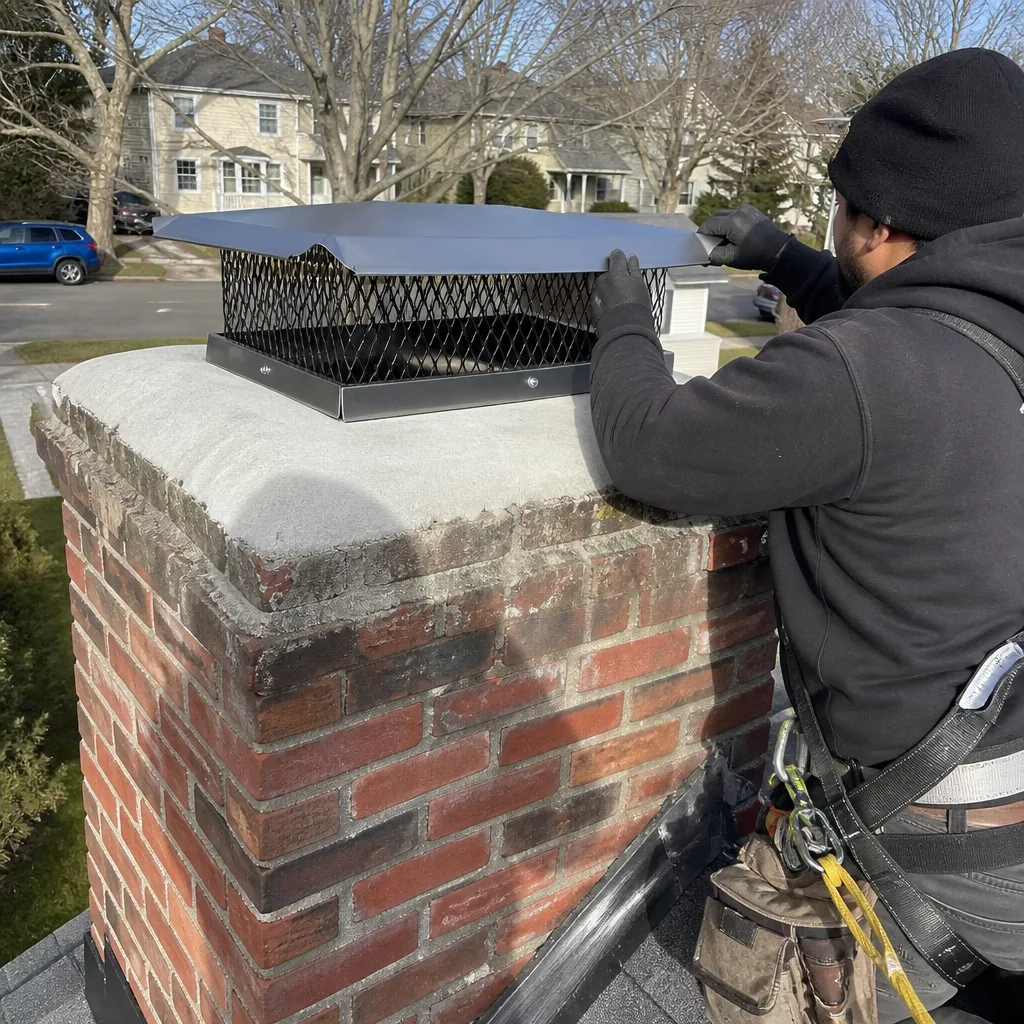 After
After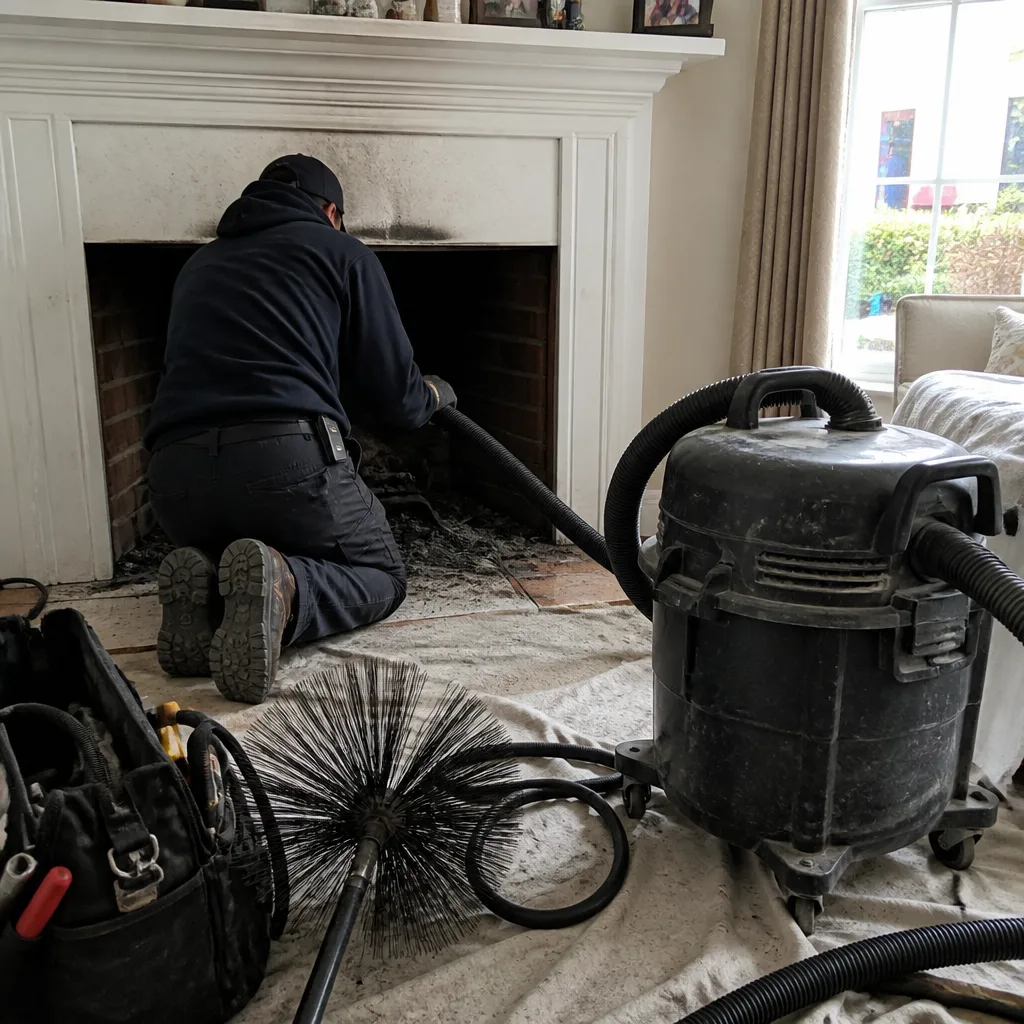 Before
 After
After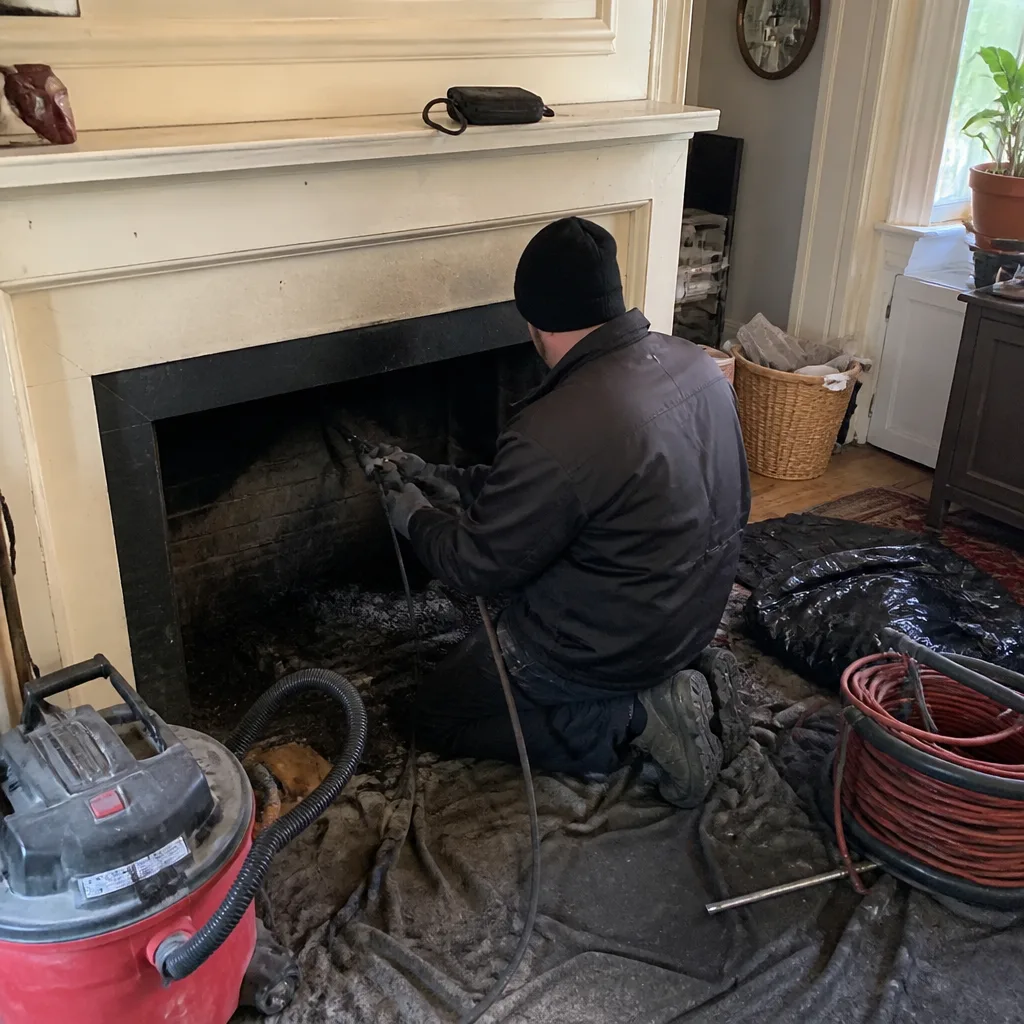 Before
 After
AfterChimney Cleaning Permits, Codes & Inspections in NY: What You Need to Know
A White Plains homeowner had her chimney liner replaced by a sweep who said permits were “just paperwork.” Two years later, at closing, the buyer’s attorney flagged the unpermitted work and demanded a $9,000 escrow holdback, triple what she had paid for the job. In New York, chimney cleaning itself rarely needs a permit, but the repairs that cleaning uncovers almost always do, and the gap between those two categories costs homeowners far more than the permit fee ever would. This guide-along with our Complete Guide to Chimney Cleaning in White Plains-untangles what requires a permit in White Plains and Westchester County, what does not, and why the distinction matters for your insurance, your safety, and your home’s resale value.
Quick Answer
Chimney cleaning and routine sweeping in New York generally do not require a building permit. However, liner replacement, firebox reconstruction, structural repairs, and any work that alters the chimney’s height or configuration typically do require permits under New York State Building Code Section 1001 and local White Plains ordinances. Homeowners should always request a Certificate of Compliance for completed work and verify that their contractor is licensed to pull permits in Westchester County.
Table of Contents
- Do You Need a Permit for Chimney Cleaning in New York?
- What New York State Building Code Section 1001 Actually Requires
- White Plains and Westchester County Ordinances: Local Layers
- Repair Categories That Trigger Permits (and Those That Don’t)
- NFPA 211 Level 2 Inspections: How They Interact with Permits
- Certificate of Compliance: Your Protection at Resale
- Sweep vs. Licensed Contractor: Knowing the Legal Line
- Insurance Claims and Unpermitted Work: The Gap You Didn’t Know You Had
Do You Need a Permit for Chimney Cleaning in New York?
No. Routine chimney cleaning, sweeping, and basic maintenance do not require a building permit anywhere in New York State, including White Plains and Westchester County. This includes removing creosote buildup, inspecting flue conditions with a standard flashlight or camera, and cleaning firebox debris. These are classified as maintenance activities, not construction.
Where homeowners get into trouble is conflating cleaning with the repairs that cleaning reveals (see our Chimney Cleaning Warning Signs for when to look closer). A sweep can clean your flue and tell you the liner is cracked. But replacing that liner crosses into construction work, and that is where permits enter the picture. We have seen this confusion cost White Plains homeowners thousands.
The distinction matters because unpermitted repair work creates three distinct problems:
- Insurance denial. If a chimney fire or carbon monoxide event occurs and investigation reveals unpermitted repairs, insurers may deny claims on the basis of code non-compliance.
- Resale complications. Westchester County’s competitive real estate market means buyers’ attorneys scrutinize permits closely. Unpermitted chimney work routinely triggers renegotiation or escrow holdbacks.
- Safety liability. Permits exist to ensure work is inspected by a neutral third party. Skipping them removes that verification layer.
In our 42 years serving White Plains and surrounding communities, we have learned to separate the cleaning conversation from the repair conversation clearly. Cleaning is maintenance. Repairs are construction. The permit requirement follows the repair, not the broom.
What New York State Building Code Section 1001 Actually Requires
New York State Building Code Section 1001 governs fireplaces and chimneys, incorporating by reference the standards of the National Fire Protection Association (NFPA) 211. The code does not explicitly list “chimney cleaning” as a permit-triggering activity. Instead, it defines construction, alteration, and repair work on chimney systems as requiring compliance with approved building plans and inspection.
Section 1001.1 establishes that masonry chimneys must be constructed in accordance with the code and the referenced standards. Section 1001.2 covers factory-built fireplaces and requires installation per manufacturer instructions and code. The permit trigger is embedded in the broader Building Code Chapter 1, which requires permits for “construction, alteration, movement, enlargement, replacement, repair, equipment, use and occupancy, location, removal and demolition” of structures and building service equipment.
For chimney systems, this translates to specific thresholds. Work that maintains or restores the system to its original condition and configuration typically does not need a permit if no structural elements are modified. Work that changes, replaces, or reconstructs components does.
Here is how Section 1001 applies in practice for common chimney services:
| Service | Permit Required? | Code Basis |
|---|---|---|
| Chimney sweeping / creosote removal | No | Maintenance, not construction |
| Level 1 or 2 inspection | No | Diagnostic, not construction |
| Chimney cap replacement (same size/type) | Usually no | Like-for-like repair |
| Chimney liner replacement | Yes | Alteration of venting system |
| Firebox brick reconstruction | Yes | Structural repair |
| Crown repair or replacement | Often yes | Alteration of termination |
| Chimney height modification | Yes | Change in configuration |
| Smoke chamber parging | Yes | Alteration of internal geometry |
White Plains sits in Climate Zone 5A, with freeze-thaw cycles that punish chimney crowns and masonry. The local building department sees more crown replacement and repointing permits than many downstate municipalities because our winters accelerate deterioration. This climate reality means cleaning often reveals repair needs that trigger permits.
White Plains and Westchester County Ordinances: Local Layers
New York State code sets the floor. White Plains and Westchester County add their own requirements, and homeowners must satisfy all layers.
The City of White Plains Building Department issues permits for work within city limits and conducts inspections for compliance. Westchester County maintains additional oversight for certain environmental and health-related matters, though chimney work typically falls to municipal building departments unless it involves oil-fired appliance venting regulated by the County Department of Health.
Key local requirements specific to White Plains include:
- Contractor licensing. Any contractor performing work requiring a permit must be licensed by the City of White Plains or hold a valid Westchester County home improvement contractor registration. Out-of-county contractors must register locally.
- Historic district review. Portions of White Plains, including certain neighborhoods near the downtown core and established residential districts, fall under historic preservation oversight. Exterior chimney modifications visible from the street may require Historic Preservation Commission review in addition to building permits.
- Setback and height restrictions. White Plains zoning code regulates chimney height relative to rooflines and property lines. Any work that increases chimney height, even to correct drafting problems, may trigger zoning review.
- Wood-burning restrictions. Westchester County has periodically considered restrictions on wood-burning appliances during air quality alerts. While not currently in effect as blanket prohibition, this regulatory environment makes proper permitting and documentation especially important for wood-burning system modifications.
We have worked in White Plains homes where the previous owner installed a wood stove insert without permits, only to have the current owner discover the deficiency during a routine real estate transaction. The cost of retroactive permitting, including required modifications to meet current code, exceeded the original installation price.
The White Plains Building Department is located at 255 Main Street. Permit applications for chimney work typically require detailed scope descriptions, contractor licensing verification, and sometimes engineered drawings for structural modifications. Inspections are scheduled at rough-in and final completion stages.
Repair Categories That Trigger Permits (and Those That Don’t)
Understanding the specific repair categories-covered in our Chimney Cleaning & Sweep Maintenance Checklist for White Plains Homeowners-helps homeowners ask the right questions when a sweep recommends work. Here is the breakdown we use in our own practice:
Repairs That Typically Require Permits
- Chimney liner replacement. Whether installing a stainless steel liner like DuraFlex or a cast-in-place system like HeatShield, liner replacement alters the venting system and requires permit and inspection. The liner must be sized correctly for the appliance, and the installation must be verified.
- Firebox reconstruction. Rebuilding firebox walls, replacing firebrick, or reconstructing the throat and smoke shelf involves structural and fire-safety elements that demand code inspection.
- Crown replacement. In White Plains, where freeze-thaw damage is common, crown replacement often requires permits because it changes the chimney termination and must be sloped and reinforced to current standards.
- Smoke chamber parging. Smoothing the smoke chamber with refractory mortar changes internal geometry and requires verification that the parge coat meets thickness and material specifications.
- Chimney height modification. Adding height for draft correction or to meet clearance requirements triggers both building and potentially zoning review.
- Exterior masonry rebuild above the roofline. Structural reconstruction of the chimney stack requires permits and often engineered drawings.
Work That Typically Does Not Require Permits
- Routine sweeping and cleaning. All forms of creosote and debris removal.
- Level 1 and Level 2 inspections. Diagnostic evaluations, including camera inspections.
- Chimney cap replacement (direct swap). Installing a new cap of the same dimensions and attachment method on an existing flue.
- Minor flashing repair. Spot repair of existing flashing without roof membrane modification.
- Damper repair or replacement (like-for-like). Installing a new throat damper in the same location with the same function.
The gray area is where homeowners get hurt. A sweep who “just cleans” but also “does a little repointing” without permits is performing unpermitted construction. In White Plains, we have seen this scenario repeatedly: a homeowner believes they are getting maintenance, but they are actually getting unpermitted repair work that surfaces years later.
Our approach is documented and transparent. When our Level 2 camera inspection reveals liner damage in a White Plains home, we provide photos the homeowner can see, a plain-English verdict, and a written scope that specifies whether permits are required. No surprises on the bill, and no surprises at closing.
NFPA 211 Level 2 Inspections: How They Interact with Permits
The National Fire Protection Association Standard 211 defines three levels of chimney inspection. Level 1 is visual, performed during routine cleaning. Level 2 is the detailed camera inspection required when a property changes hands, after a chimney fire, or when the appliance or fuel type changes. Level 3 involves demolition of building materials and is rare.
Level 2 inspections have become increasingly important in permit and insurance contexts. Here is why:
- Pre-permit documentation. A Level 2 inspection establishes baseline conditions before repair work begins. This documentation protects both homeowner and contractor if questions arise later about whether damage was pre-existing or caused by the repair process.
- Insurance company requests. Following chimney fires or carbon monoxide incidents, insurers increasingly require NFPA 211 Level 2 inspection reports before processing claims. The inspection verifies system condition and can identify whether previous work was performed to code.
- Real estate transaction requirements. Westchester County home inspectors routinely recommend Level 2 inspections for homes with active fireplaces. Buyers’ attorneys use these reports to negotiate repairs or escrow holdbacks.
- Permit inspection support. When permit-triggering work is performed, the municipal inspector verifies code compliance. A pre-work Level 2 inspection from a qualified sweep provides documentation that complements, but does not replace, the building inspector’s review.
Important distinction: a Level 2 inspection is a diagnostic service, not a permit. The sweep performing it is evaluating conditions, not approving construction. In New York, only licensed contractors pulling proper permits can perform construction work that is then inspected by municipal building officials.
We perform Level 2 inspections with camera equipment that documents every inch of the flue. The homeowner receives photos and a written verdict. If repairs are needed, we specify which require permits and which do not. This clarity prevents the permit gaps that plague unguided homeowners; for more guides & resources, see our blog.
Insurance companies have tightened requirements significantly. We have spoken with White Plains homeowners whose insurers now request Level 2 inspection documentation annually for wood-burning systems, particularly in older homes with original masonry chimneys. The inspection provides the insurer confidence that the system is maintained; the permit documentation provides confidence that any repairs were code-compliant.
Certificate of Compliance: Your Protection at Resale
When permitted work is completed and passes municipal inspection, the building department issues a Certificate of Compliance or Certificate of Occupancy amendment. This document is the homeowner’s proof that work was performed to code and inspected.
In Westchester County’s active real estate market, this certificate has become essential. Here is what happens without it:
- The seller’s disclosure asks about permits for improvements. Unpermitted work must be disclosed, or the seller risks fraud claims.
- The buyer’s inspection reveals work that appears professional but lacks permit history.
- The buyer’s attorney demands either retroactive permitting (costly and sometimes impossible), an escrow holdback (typically 2-3 times the original work cost), or a price reduction.
- In extreme cases, the buyer walks.
The White Plains homeowner in our opening example faced the escrow holdback scenario. Her $3,000 liner replacement became a $9,000 closing complication because no permit had been pulled and no Certificate of Compliance existed.
Homeowners should request and retain Certificates of Compliance for all permitted chimney work. Store them with deeds, warranties, and other permanent records. When hiring a contractor, verify they will pull permits and provide the certificate upon completion. Any contractor who resists this process should raise immediate concern.
Our practice is to handle permit coordination for all work we perform that requires it. The homeowner receives the Certificate of Compliance and a copy of the inspection report. Done right, and we stand behind it, includes proper documentation.
Sweep vs. Licensed Contractor: Knowing the Legal Line
New York law distinguishes between chimney sweeps and home improvement contractors, and the distinction matters for permit eligibility and liability.
A chimney sweep performs cleaning, inspection, and maintenance. Sweeps may be certified by organizations like the Chimney Safety Institute of America (CSIA), which establishes training and examination standards. Certification is valuable for expertise but does not confer contractor licensing.
A home improvement contractor is licensed by the municipality or county to perform construction, repair, and alteration work on residential structures. In White Plains, this means holding a valid license from the City Building Department or a Westchester County home improvement contractor registration.
The critical difference: only licensed contractors can legally pull building permits. A sweep who performs repair work without a contractor license and without permits is operating outside legal boundaries. The homeowner who hires them assumes the liability.
Common scenarios where this line gets blurred:
- A sweep cleans the chimney, “notices” liner damage, and offers to install a new liner “as part of the service.” No permit is pulled. The sweep is not licensed as a contractor. The work is illegal and uninspected.
- A sweep performs “minor” masonry repair during a cleaning visit, describing it as maintenance. The work crosses into construction. No permit. No inspection.
- A homeowner assumes that because a sweep is CSIA-certified, they are qualified to perform all chimney work. Certification is about knowledge, not legal authority to construct.
We are clear about our scope. Hearthstone Chimney Co. holds proper licensing for all work we perform. Our technicians are background-checked and uniformed. When cleaning reveals repair needs, we explain what requires permits, what our licensed status allows us to perform, and how we will document compliance. Photos you can see, a plain-English verdict, and proper permits when required.
Homeowners should verify contractor licensing through the White Plains Building Department or Westchester County Consumer Protection before hiring for any repair work. The five-minute phone call prevents years of complications.
Insurance Claims and Unpermitted Work: The Gap You Didn’t Know You Had
Homeowners insurance policies contain exclusions for damage resulting from faulty, inadequate, or illegal construction. Unpermitted chimney work falls squarely in this exclusion zone.
Consider the scenario: a White Plains homeowner has a chimney fire. Investigation reveals the fire originated in a cracked flue. The homeowner previously had a liner installed by an unlicensed sweep without permits. The insurer investigates, discovers the unpermitted work, and denies the claim on the basis that the installation was not code-compliant and not inspected. The homeowner bears the full cost of fire damage, potentially tens of thousands of dollars, plus the cost of proper remediation.
This is not hypothetical. We have consulted with homeowners in similar situations. The pattern is consistent:
- Work is performed cheaply without permits to “save money.”
- The work appears functional and the homeowner forgets about it.
- An event occurs: fire, carbon monoxide alarm, water intrusion from failed crown.
- Insurance investigation reveals permit history gap.
- Claim is denied or reduced.
Carbon monoxide events are particularly dangerous because they may not trigger immediate dramatic damage but cause chronic exposure. If a poorly installed liner leads to CO infiltration and health effects, the liability exposure extends beyond property damage to personal injury.
The permit fee for chimney liner replacement in White Plains is typically modest, often under $200 including inspections. Compared to the cost of unpermitted work complications, this is not meaningful savings. A square deal means no surprises on the bill, and no surprises when you need your insurance to respond.
We document everything. Our Level 2 inspections create dated records of system condition. Our permitted work generates Certificates of Compliance. If an event ever occurs, our customers have the documentation trail that supports their claim, not undermines it.
Common Mistakes to Avoid
- Hiring based on price alone without verifying permit handling. The lowest bid often excludes permit costs and proper licensing. Ask directly: “Will you pull permits for this work?” Get the answer in writing.
- Assuming cleaning and repair are the same service category. They are not. Cleaning is maintenance. Repair is construction. Different rules apply, and the contractor’s obligations differ.
- Accepting verbal assurance that permits “aren’t needed for this.” Verify independently with the White Plains Building Department. A five-minute call protects against expensive misinformation.
- Failing to request and retain Certificates of Compliance. These documents are your proof of code-compliant work. Without them, you have no defense against future claims of unpermitted construction.
- Conflating sweep certification with contractor licensing. CSIA certification indicates training in inspection and cleaning. It does not authorize construction work or permit pulling. Verify both credentials separately.
- Ignoring permit requirements for “like-kind” replacements that actually change materials or dimensions. Replacing a terracotta liner with stainless steel, even in the same flue, is an alteration requiring permits. The material change affects performance and safety characteristics.
- Disclosing unpermitted work improperly in real estate transactions. Some homeowners, embarrassed by past shortcuts, fail to disclose and face fraud exposure. Others over-disclose and create unnecessary transaction friction. Proper documentation from the outset prevents both problems.
When to Call a Professional
Call a licensed, insured chimney professional when cleaning reveals any of the following: visible cracks in flue tiles, deteriorating mortar joints, rusted or damaged liner sections, water staining on interior walls near the chimney, or any recommendation for liner replacement or masonry repair. These conditions indicate work that likely requires permits and qualified contractor execution.
Hearthstone Chimney Co. offers free estimates in White Plains. Our Level 2 camera inspections end with photos you can see and a plain-English verdict that clearly distinguishes maintenance needs from construction needs. When permits are required, we handle the coordination and provide Certificates of Compliance upon completion. Call (914) 603-1360 to schedule. A live person answers, every hour of every day.
Frequently Asked Questions
No. Routine chimney cleaning, sweeping, and standard inspections do not require building permits in White Plains or anywhere in New York State. These are classified as maintenance activities. Permits become required when cleaning reveals repair needs that involve construction, alteration, or replacement of chimney components. Call (914) 603-1360 for a free estimate if your inspection indicates repair work.
Chimney liner replacement in the White Plains market typically ranges from $2,500 to $5,500 depending on flue configuration, liner material, and access conditions. This range generally includes the permit and inspection fees, though homeowners should confirm this explicitly with their contractor. The permit fee itself is modest, usually under $200, but the cost of skipping it can reach thousands in resale complications or insurance disputes. Call (914) 603-1360 for an exact quote on your specific chimney.
A Certificate of Compliance is the document issued by the building department after permitted work passes final inspection. It proves the work was performed to code and inspected by municipal authorities. You need it because Westchester County real estate transactions routinely require permit documentation, and without it, buyers’ attorneys may demand escrow holdbacks or price reductions that far exceed the original work cost. Retain this document permanently with your home records.
NFPA 211 recommends annual inspection for all chimney systems, and more frequent inspection for heavily used wood-burning systems. In White Plains, where freeze-thaw cycles accelerate masonry deterioration and many homes date to the mid-20th century or earlier, annual Level 1 inspection during cleaning is prudent. Level 2 camera inspection is warranted when property changes hands, after chimney fires, or when fuel type or appliance changes. Call (914) 603-1360 to schedule your inspection.
This depends on the sweep’s licensing status. A sweep who holds only CSIA certification can legally perform cleaning and inspection but cannot perform construction work requiring permits unless also licensed as a home improvement contractor. In New York, only licensed contractors can pull permits. Verify your sweep’s contractor licensing status before agreeing to any repair work. Hearthstone Chimney Co. maintains proper licensing for all services we provide.
You must disclose unpermitted work on standard disclosure forms, or risk fraud liability. Buyers’ attorneys in Westchester County routinely verify permit history, and unpermitted chimney work typically triggers one of three outcomes: a demand for retroactive permitting and inspection (often requiring visible modification to allow inspection), an escrow holdback of 2-3 times the original work cost, or transaction renegotiation. The cost of proper permitting at the time of work is always lower than these alternatives.
The Bottom Line
Chimney cleaning in New York does not require permits, but the repairs it reveals often do. The line between maintenance and construction is clear in code but frequently blurred in practice, and homeowners who fail to distinguish them risk insurance gaps, resale complications, and safety liabilities that dwarf any permit fee. In White Plains and Westchester County, where real estate scrutiny is intense and winter weather punishes chimney systems, proper documentation is not bureaucracy. It is protection. Verify contractor licensing, demand permit coordination for repair work, retain Certificates of Compliance, and never accept verbal assurance that permits are unnecessary. The cost of doing it right once is always less than the cost of fixing it twice.
Written by Russell Haines, Owner at Hearthstone Chimney Co., serving White Plains since 2014.