
Last updated September 10, 2026
Level 1 sweep and inspection to the NFPA 211 annual standard - flue, crown, cap, and flashing checked and photographed
Chimney sweep logs do not sweep chimneys. They loosen some creosote - which then falls where a brush and vacuum still have to collect it.
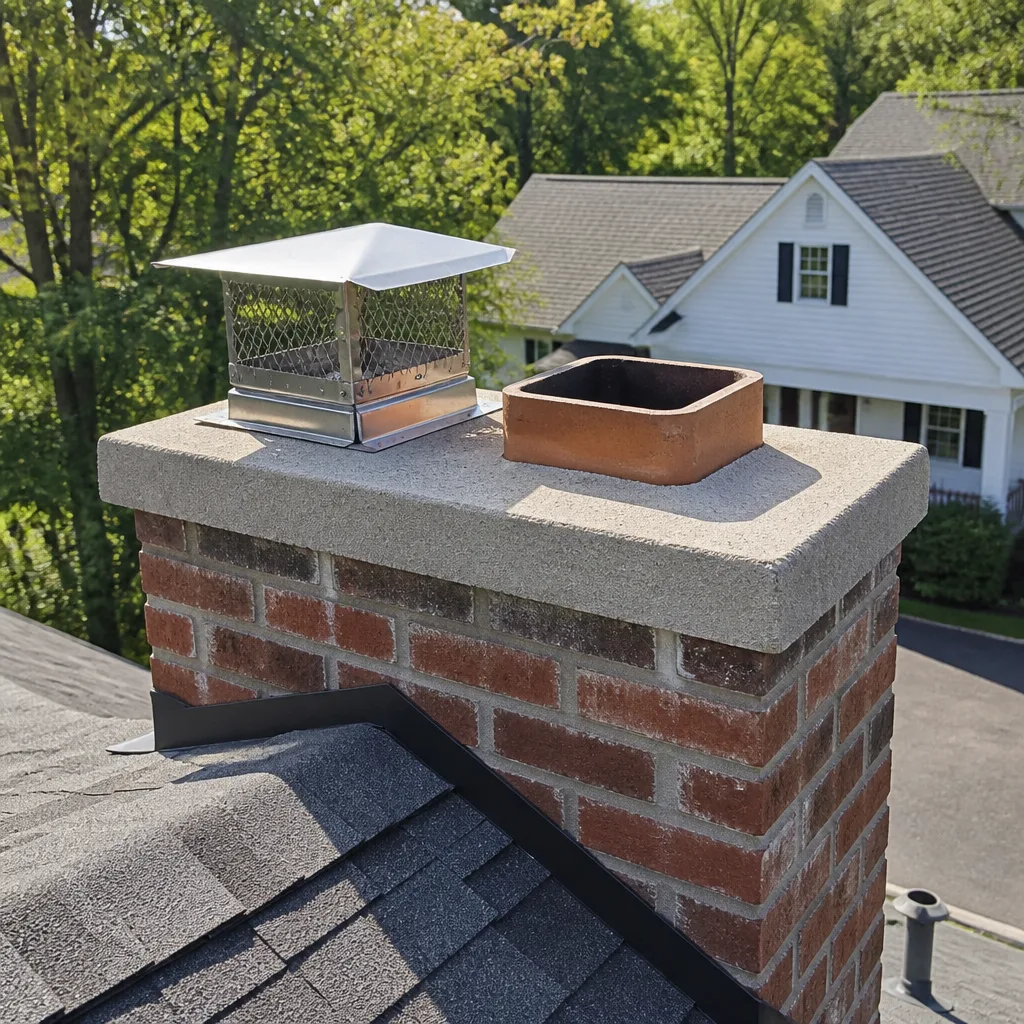
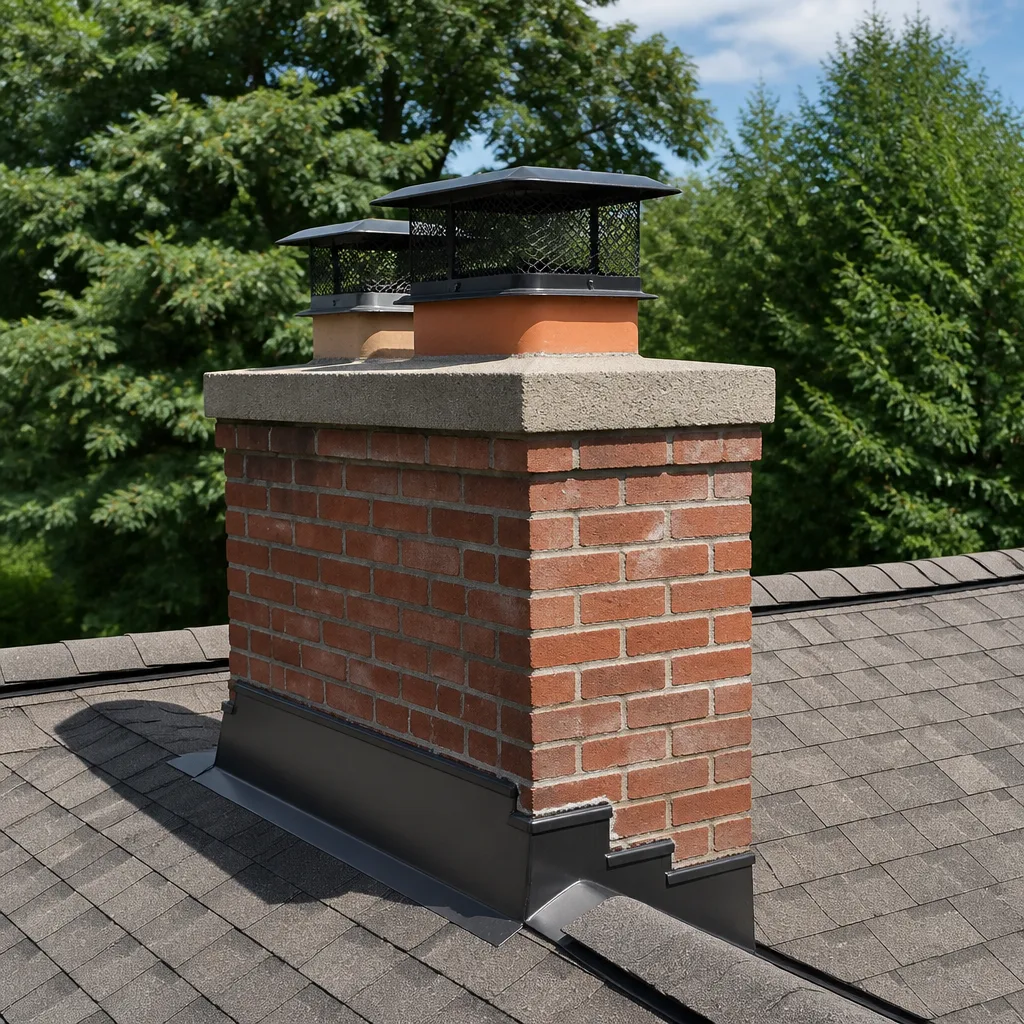
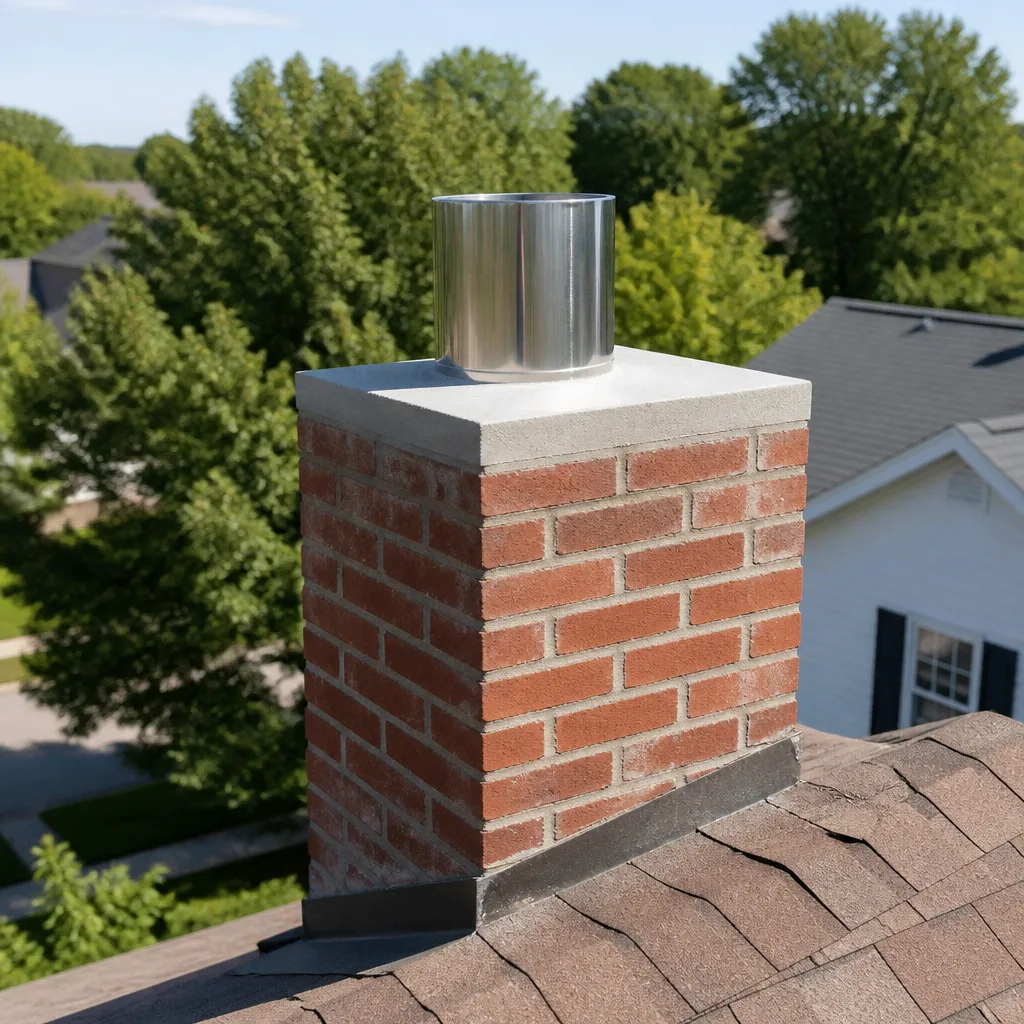
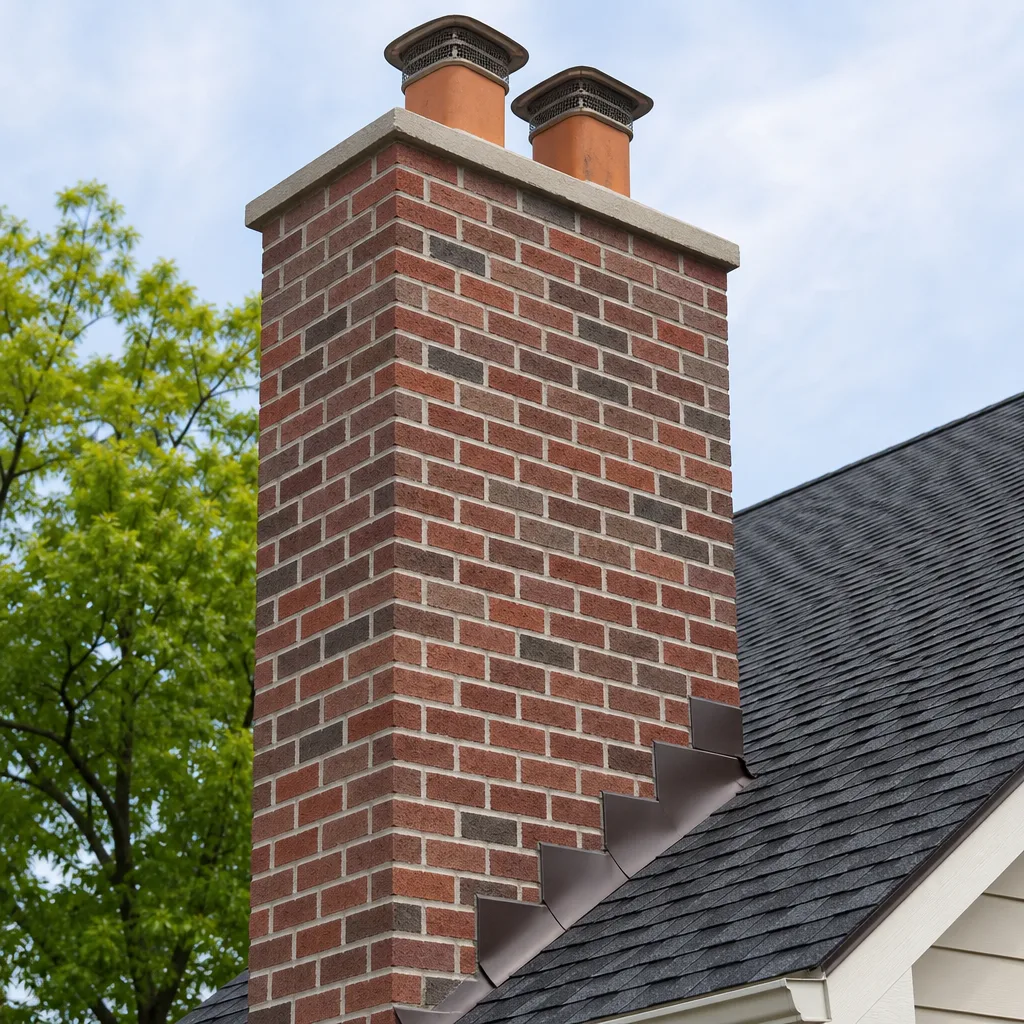
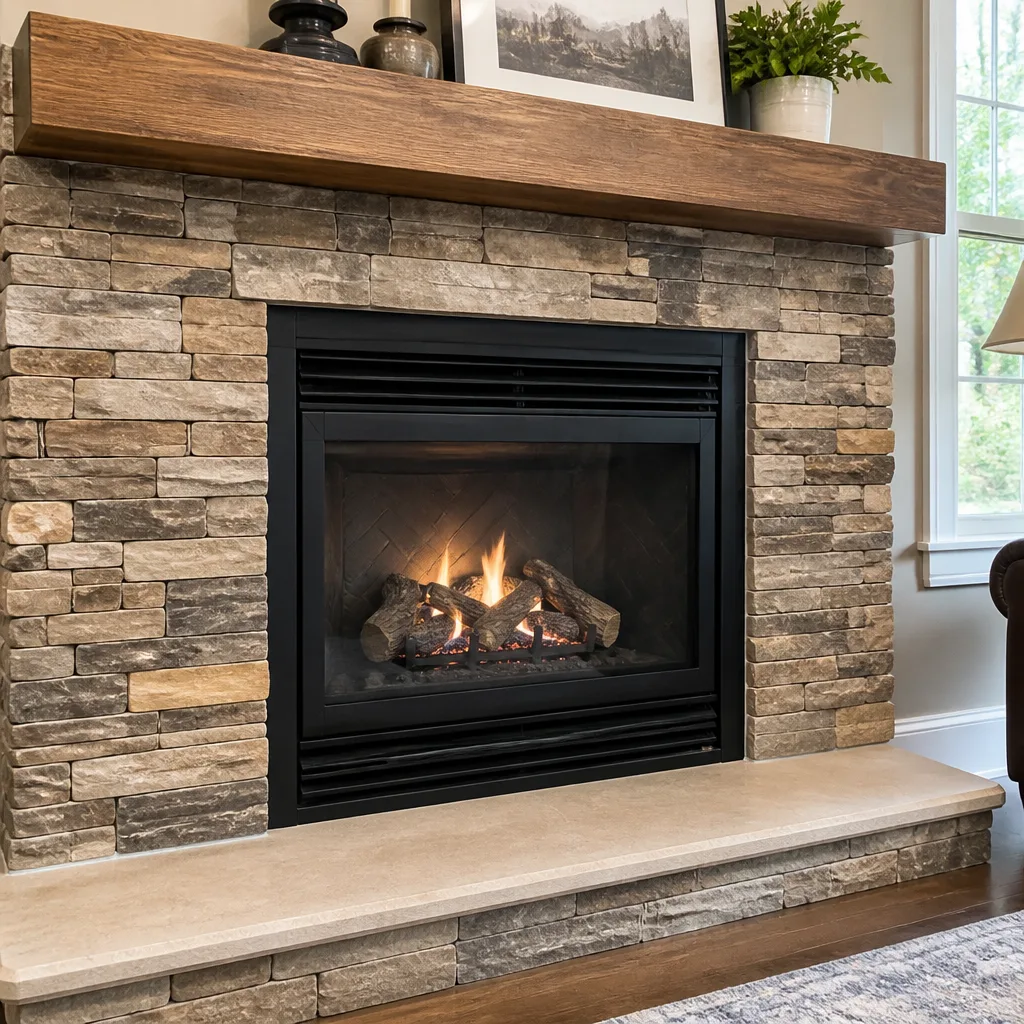
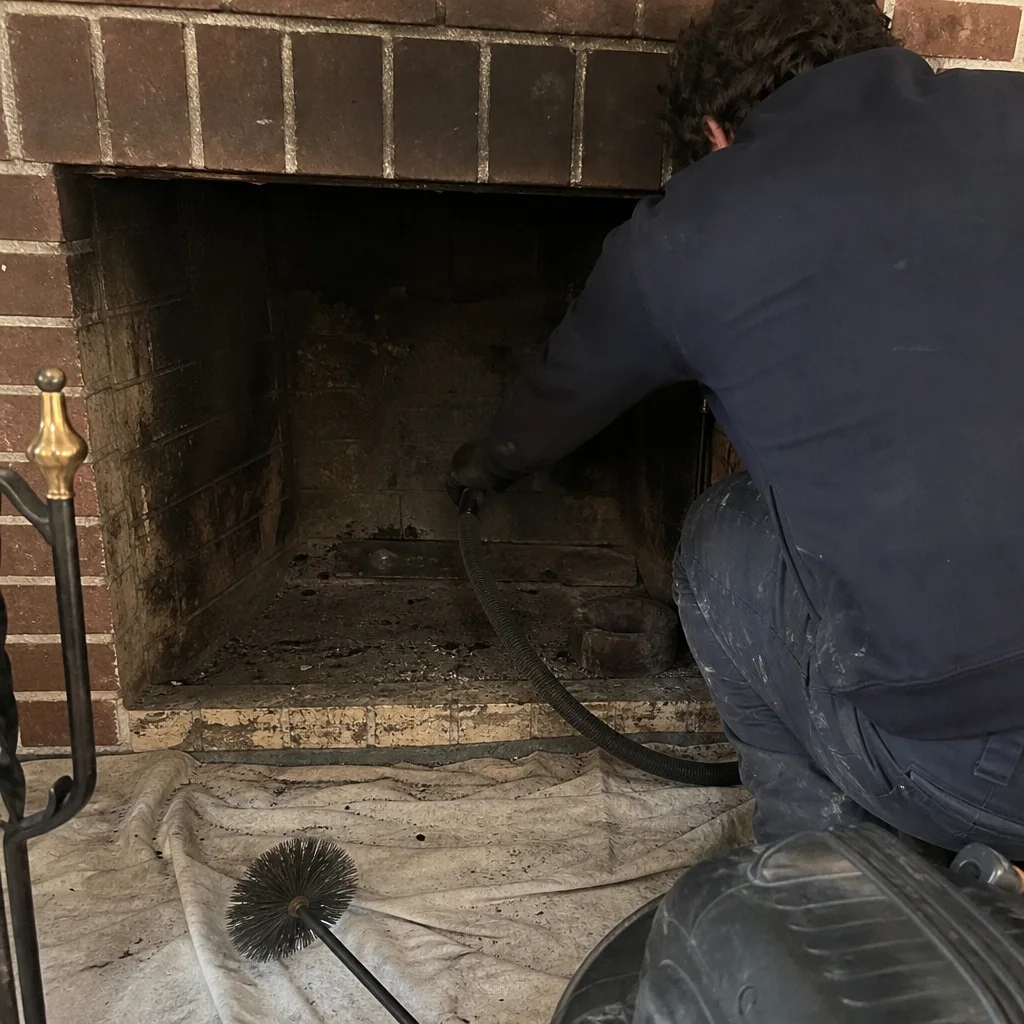 Before
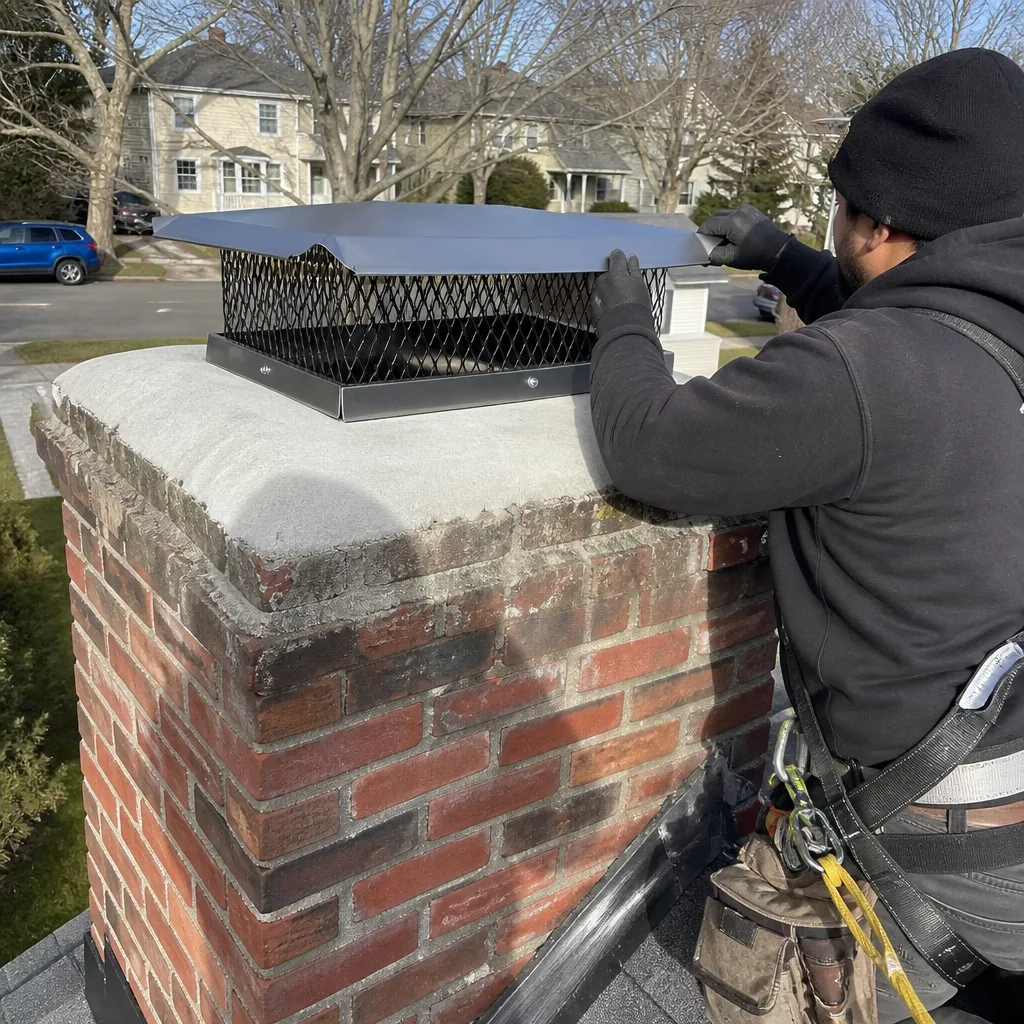 After
After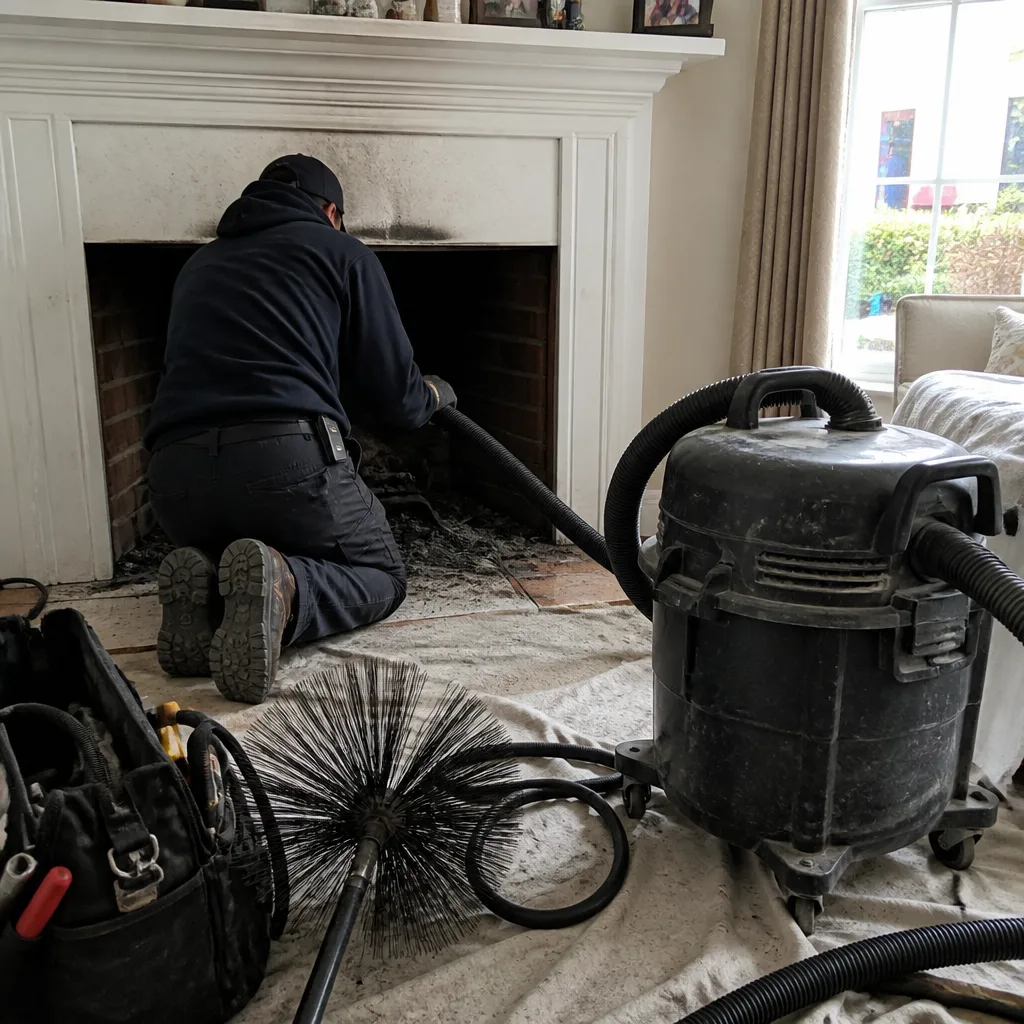 Before
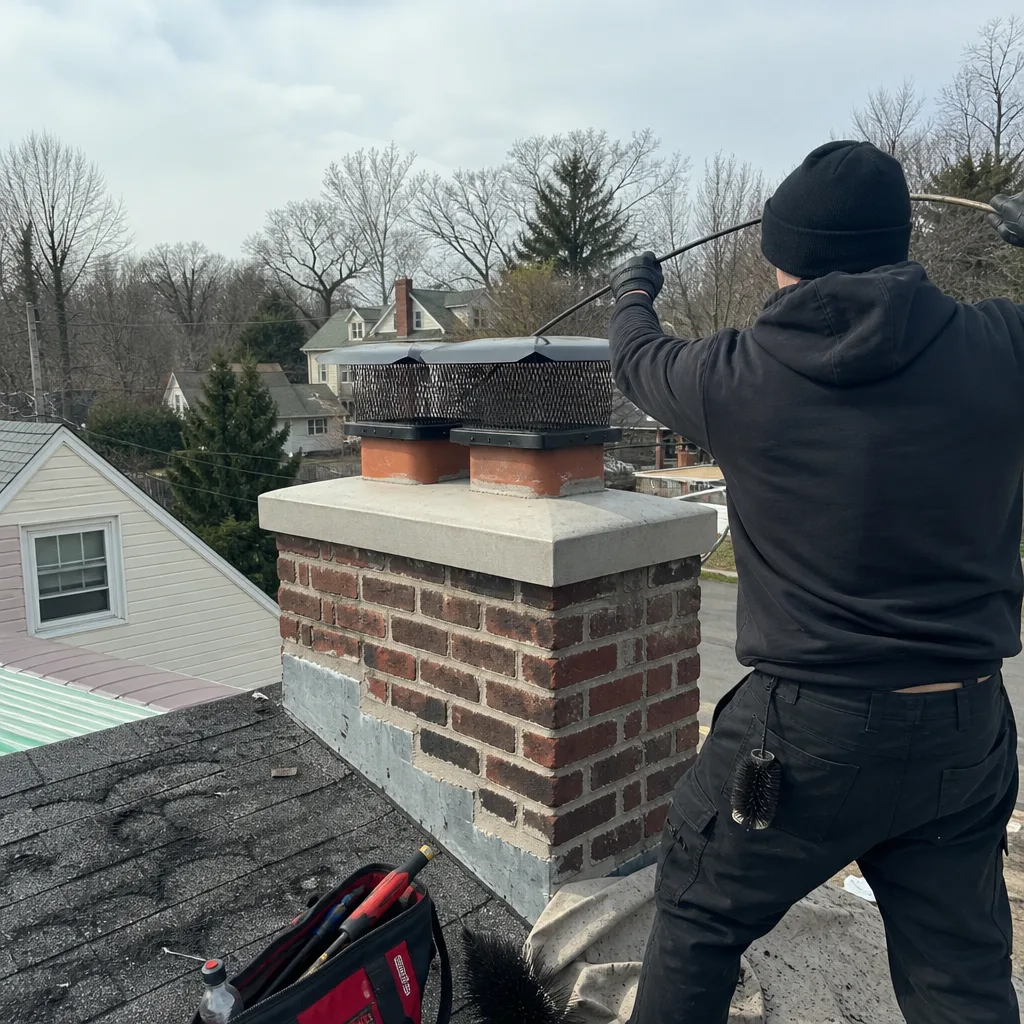 After
After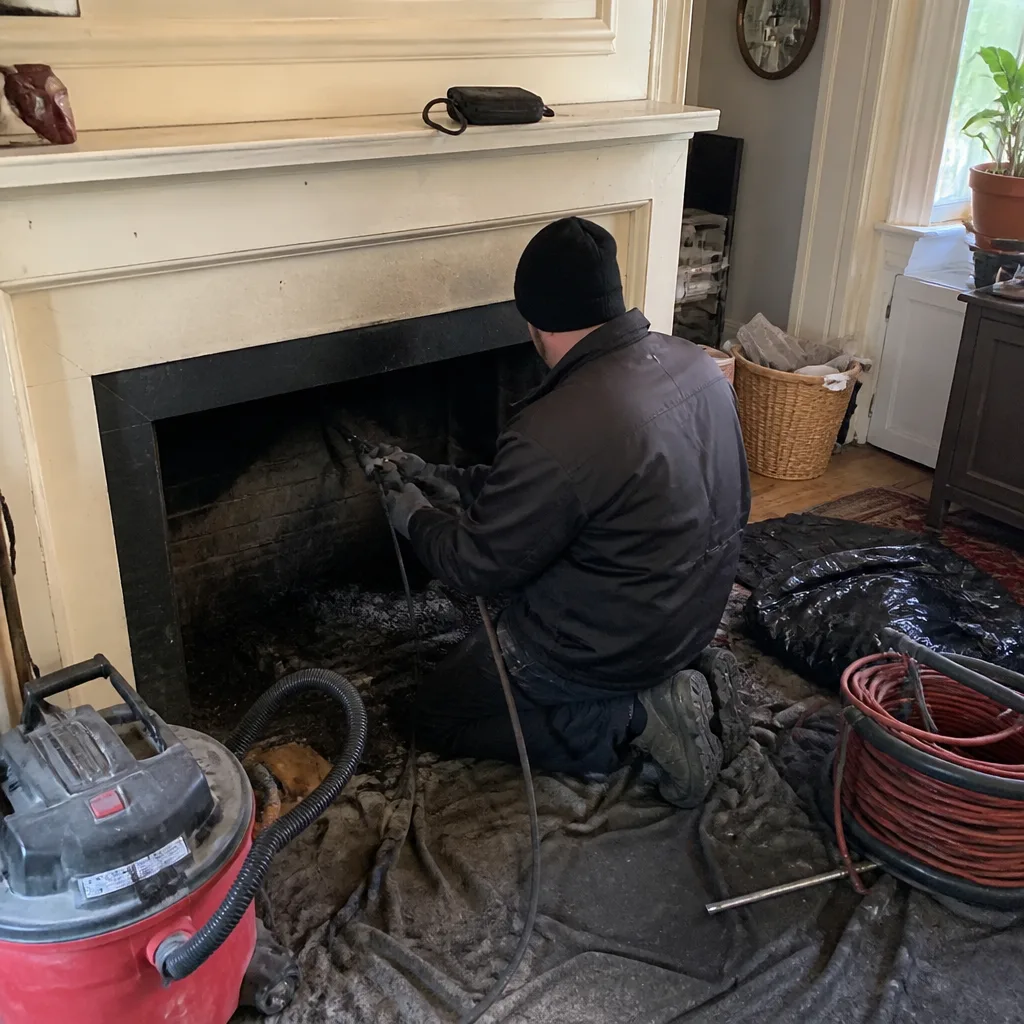 Before
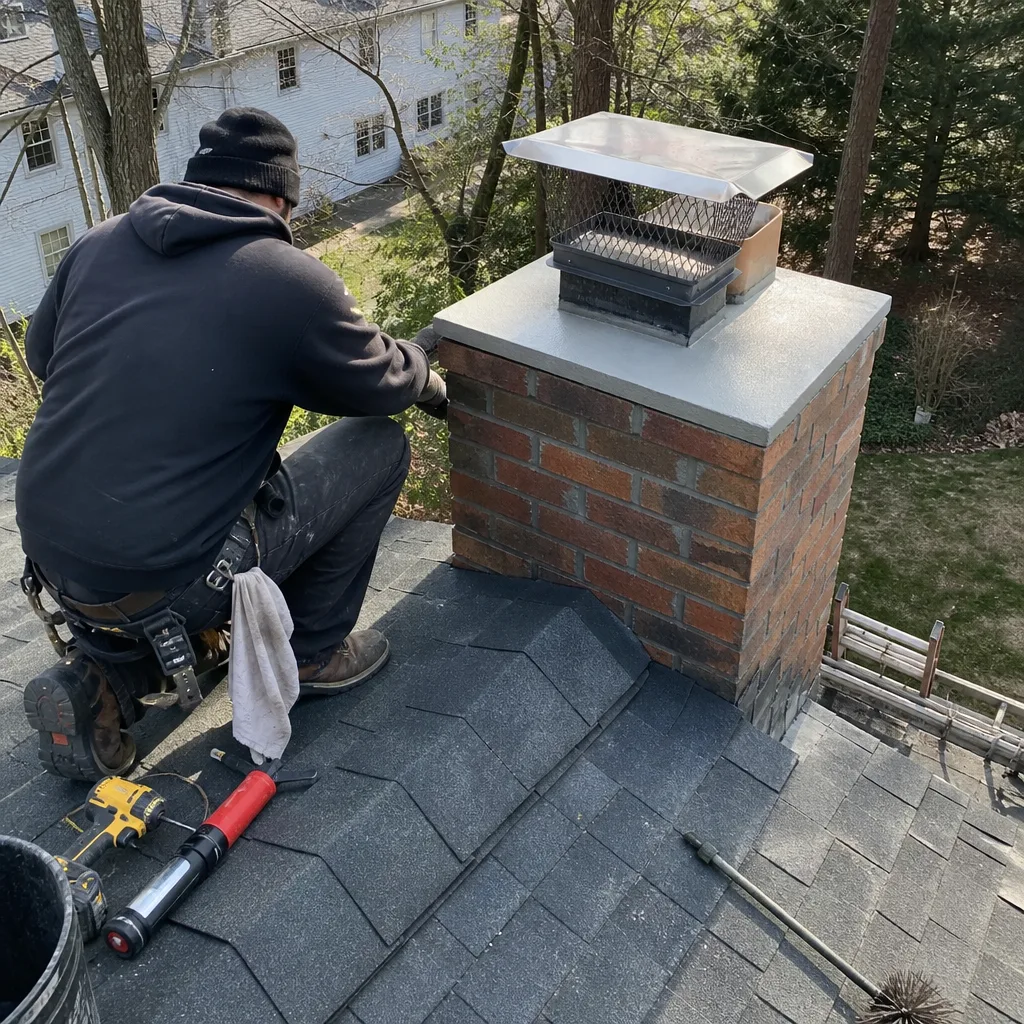 After
AfterChimney Cleaning & Sweep Maintenance Checklist for White Plains Homeowners
The average homeowner calls a sweep after noticing a problem. The average sweep finds the real problem is something the homeowner walked past for two seasons. In White Plains, where freeze-thaw cycles attack mortar from October through April and road salt air corrodes metal components faster than inland Westchester towns, the gap between what you see and what matters is wider than most people realize. This checklist is built around the failure points we actually find in White Plains homes, organized so you can spot trouble between Chimney Cleaning & Sweep services and know when to stop looking and start calling.
Quick Answer
White Plains homeowners should inspect their chimney system twice yearly: once in September before first use, and once in March after burning season ends. The essential checklist covers interior smoke staining, damper operation, and firebox joint integrity; exterior brick spalling, crown cracks, and cap corrosion from freeze-thaw and salt air; plus documentation of any changes with photos. Three conditions override any schedule and require immediate professional inspection: smoke rolling back into the room, visible cracks in the firebox, or any signs of animal nesting.
Table of Contents
- The Interior Checklist: What You Can Spot Without Tools
- The Exterior Checklist: White Plains Climate Damage to Watch
- Seasonal Timing: What to Check When
- How to Document Findings With Your Smartphone
- Three Conditions That Override Any Schedule
- What Professional Maintenance Costs in White Plains
- Common Mistakes to Avoid
- When to Call a Professional
- Frequently Asked Questions
The Interior Checklist: What You Can Spot Without Tools
Most chimney fires start where homeowners rarely look. The interior inspection takes ten minutes, requires no equipment, and reveals problems that develop slowly enough to ignore until they become expensive or dangerous.
Smoke Staining and Discoloration
Check the area above the firebox opening and on the mantel surround. Fresh smoke stains, darkening, or a sticky residue indicate smoke is not drafting properly up the flue. In older White Plains homes, particularly the pre-war colonials common in the Gedney Farms and Battle Hill neighborhoods, we’ve found that settling foundations shift fireplace throats slightly out of alignment. The result is subtle smoke staining that homeowners wipe away for years before realizing the pattern matches Chimney Cleaning Warning Signs: A White Plains Homeowner’s Reference Guide.
Look for:
- Darkening on the mantel or wall above the opening, especially after a windy day
- A sooty smell that lingers more than a few hours after the fire dies
- White or gray powdery deposits (efflorescence) on brick or stone facing, indicating moisture migration
Smoke staining that appears suddenly after years of clean burning often means a blocked flue, damaged liner, or negative pressure issue from a new kitchen exhaust or bathroom fan. Do not assume the chimney needs cleaning. It may need repair.
Damper Function and Seal
Open the damper fully. It should move smoothly without grinding or catching. Close it completely. Hold a lit incense stick or thin ribbon near the closed damper. Any movement indicates a poor seal, which means heated air escapes all winter and cold air enters all summer.
In our experience across White Plains, dampers in homes built between 1940 and 1970 are often original cast-iron throat dampers that have warped from decades of heat cycling. A warped damper cannot seal properly and costs more in lost energy than most homeowners realize. We document damper condition during every chimney cleaning and sweep in White Plains and show the homeowner exactly what we find.
Firebox Joint Integrity
The firebox is the brick or refractory panel enclosure where fire actually burns. Inspect the mortar joints between firebricks for gaps, crumbling, or missing material. Tap bricks gently with a metal object. A hollow sound means the brick has separated from the wall behind it.
Refractory panels in prefabricated metal fireplaces show cracks differently. Hairline cracks under one-sixteenth inch are normal thermal stress. Cracks wider than that, or any crack that has opened enough to pass a dime, mean the panel is failing. Heat penetrates to the metal chassis behind, and the fire rating of the entire assembly is compromised. This is not a maintenance item. It is a replacement item.
Hearth Extension and Clearance
The hearth extension, the non-combustible surface in front of the opening, must extend far enough to catch sparks. In White Plains, we’ve seen hearths shortened during flooring renovations or covered with combustible materials like wood or laminate. Check that no flooring within 16 inches of the opening (for fireplaces with doors) or 20 inches (for open fireplaces) is combustible. If you’ve changed flooring since the home was built, measure.
The Exterior Checklist: White Plains Climate Damage to Watch
White Plains sits at 200 feet elevation with higher humidity than the Hudson Valley floor and more freeze-thaw cycling than coastal Connecticut. The combination extracts a specific toll on chimney exteriors that inland checklists miss.
Freeze-Thaw Spalling on Brick Crowns
Brick faces flake and pop off in thin layers, exposing the softer interior. This is spalling, and in White Plains it accelerates after wet winters with temperature swings across 32 degrees, which describes most Januarys and Februarys here. Spalling starts at the crown, the top surface of the chimney, because water pools there and freezes from the top down.
Inspect from the ground with binoculars or from a safely positioned ladder at gutter height. Never climb onto the roof. Look for:
- White or light-colored patches where brick faces have fallen away
- Rounded, softened edges on brick corners that should be sharp
- Sand or grit accumulation at the chimney base, the debris from disintegration
Homes near the Bronx River Parkway corridor or in the Hartsdale-White Plains border area see accelerated spalling from road salt spray carried on prevailing winds. The salt lowers the freezing point of absorbed water and increases the number of freeze-thaw cycles a brick endures in a given winter.
Mortar Joint Recession
Sound mortar joints are recessed slightly below the brick surface, typically one-quarter to one-half inch. When joints erode deeper than that, water penetrates the wall and the structural integrity weakens. Probe gently with a flat screwdriver. Mortar that crumbles or falls out easily needs repointing.
We’ve repointed chimneys in White Plains where mortar joints had receded over two inches, leaving bricks held by friction and habit. The repair cost triples at that stage because individual bricks must be reset, not just re-mortared.
Cap Screen Corrosion from Road Salt Air
The chimney cap, the metal cover with mesh sides that keeps animals and debris out while letting smoke escape, corrodes faster in White Plains than in comparable Westchester towns. Stainless steel caps last longest. Galvanized steel caps in homes within a mile of major roadways, particularly along the Cross Westchester Expressway corridor, often show significant rust within eight to ten years.
Check cap condition from the ground:
- Mesh sides should be intact, not holed or separating from the frame
- The lid should sit level, not tilted from wind damage or fastener failure
- No gaps between cap base and flue tile where animals could enter
We install caps from Olympia Chimney and Famco for White Plains homes, selected for gauge thickness and fastener design that withstands coastal-influenced corrosion. A proper cap installation costs less than one squirrel removal and chimney cleaning.
Flashing and Roof Interface
The metal flashing where chimney meets roof is the most common leak point we investigate. Look for:
- Lifting or separated flashing tabs, especially after high winds
- Caulk or sealant that has dried, cracked, or pulled away
- Water stains on the ceiling inside, directly in line with the chimney
In White Plains, the rapid temperature swings of late winter cause flashing metal to expand and contract aggressively. Step flashing installed without proper expansion gaps works loose over five to seven years. Counter-flashing that was simply caulked rather than reglet-set into mortar joints fails predictably. We see this pattern repeatedly in the Fisher Hill and Prospect Park areas, where 1950s and 1960s construction used the cheaper method.
Seasonal Timing: What to Check When
Timing matters more than most homeowners realize. The condition you find in March is different from what you’ll find in September, and the actions you take should differ too.
September: Pre-Season Inspection
Check these items before the first fire:
- Damper operation. Open and close ten times. Lubricate hinge pin with high-temperature lubricant if sticky. Do not use WD-40, it gums at chimney temperatures.
- Firebox condition. Remove ashes from last season. Inspect for new cracks, shifted bricks, or deteriorated mortar.
- Exterior cap and crown. Binocular inspection from ground. Note any changes from last year’s photos.
- Smoke chamber and flue. Shine a flashlight up the flue from the firebox. Look for obstructions, significant soot buildup, or daylight showing through cracks. Significant buildup means call for chimney cleaning and sweep in White Plains before first use.
- Carbon monoxide detector function. Test and replace batteries. Verify detector is less than seven years old, the effective lifespan.
September appointments fill first. In White Plains, the week after Labor Day sees our phone volume triple. Calling in August secures your preferred date.
March: Post-Season Assessment
After your last fire, inspect while the season’s wear is fresh:
- Interior smoke staining pattern. Compare to September photos. New staining means a developing problem, not random variation.
- Firebox damage progression. Measure any cracks noted in September. Growth over one-sixteenth inch is active deterioration.
- Exterior spalling and mortar. Winter damage is now visible. Salt accumulation at base indicates active material loss.
- Cap and flashing integrity. Ice dam season tests these interfaces. Note any separation or lifting.
- Document everything. Photos now establish baseline for September comparison.
March is also the best time for major repairs. Weather is mild enough for mortar to cure properly, and scheduling is more flexible than fall. We complete most chimney repair in White Plains in a single visit, and March timing means no burning season interruption.
How to Document Findings With Your Smartphone
Documentation transforms vague worry into actionable information and saves diagnostic time when you do call a professional. A sweep who sees clear photos arrives prepared, and you receive a more precise estimate.
Photo Protocol
For interior items, use these settings and angles:
- Firebox: wide shot showing full width, then close-ups of any cracks or damaged joints. Include a coin or ruler for scale.
- Damper: open position showing full opening, closed position showing seal line. Flash on.
- Smoke staining: angled to show texture and extent, not just color. Include surrounding wall for context.
For exterior items:
- Crown: telephoto or digital zoom from ground, steady against a wall or post. Take multiple angles.
- Cap: maximum zoom that keeps image sharp. Note date and approximate time for light consistency.
- Flashing: from roof edge or upper window if accessible safely. Never climb.
- Overall chimney: from property line showing full height and roof relationship.
What to Record in Notes
Alongside photos, note:
- Date and approximate outdoor temperature
- When problem was first noticed
- Any changes to home systems: new exhaust fans, weatherstripping, windows
- Frequency of use this season: weekends only, daily, occasional
- Fuel type: seasoned hardwood, manufactured logs, mixed
When you call Hearthstone Chimney Co., email or text these photos. Our technicians review them before arriving, confirm the scope, and bring appropriate materials. We’ve resolved issues in Gedney Farms and Rosedale homes solely from homeowner documentation, arriving with the right DuraFlex liner section or Copperfield cap rather than making a diagnostic trip.
Three Conditions That Override Any Schedule
No checklist, no calendar, no budget consideration delays these three situations. Each indicates active hazard, not deferred maintenance.
Smoke Rollback
Smoke entering the room during normal operation means failed draft, blocked flue, or negative pressure. Carbon monoxide risk is immediate. Extinguish the fire, open windows, leave the room, and call for inspection before next use. Do not assume a cleaning will solve it. In a 2019 call from a White Plains home near the county center, smoke rollback traced to a collapsed clay flue liner segment that cleaning would have exposed but not repaired.
Visible Cracks in the Firebox
Cracks that pass light, that have widened since last inspection, or that appear suddenly after a hot fire mean the fire-rated enclosure is compromised. Heat reaches combustible framing. The next fire may be the one that ignites it. This is not a wait-and-see condition.
Any Sign of Animal Activity
Chirping, scratching, debris falling into the firebox, or odors of urine or decay mean nesting. Animals block flues, introduce combustible material, and die, creating obstruction and biohazard. Raccoons in White Plains chimneys are common April through June. Squirrels nest year-round. Chimney swifts, a protected species, cannot be removed during nesting season. Early detection matters for both safety and legal compliance.
What Professional Maintenance Costs in White Plains
Understanding realistic costs helps homeowners budget and recognize estimates that are unrealistically low or inflated. These ranges reflect the White Plains market as of 2024-2025, based on our service records.
| Service | Typical Range | What Affects Price |
|---|---|---|
| Level 1 chimney sweep and inspection | $199 - $289 | Number of flues, accessibility, amount of creosote buildup |
| Level 2 camera inspection | $289 - $425 | Height of chimney, number of appliances served, photo documentation detail |
| Chimney cap installation (stainless steel) | $385 - $650 | Flue size and count, cap brand and gauge, access difficulty |
| Crown repair (minor crack sealing) | $275 - $450 | Extent of cracking, need for waterproofing coat |
| Crown rebuild (concrete or cast-in-place) | $1,200 - $2,400 | Chimney dimensions, access, formwork complexity |
| Firebox repointing (minor) | $650 - $1,100 | Area affected, mortar matching requirements |
| Firebox panel replacement (prefab) | $485 - $875 | Panel size, brand availability, model age |
| Flashing repair (localized) | $450 - $850 | Extent of separation, roofing material, height |
| Full repointing (above roof line) | $2,800 - $5,500 | Chimney size, scaffold needs, mortar type specified |
Our $89 Seasonal Tune-Up covers Level 1 inspection, sweep if needed, and damper adjustment. The $50 Off Any Repair Over $250 applies to work found during that inspection. Our 5% Senior and Veteran discount is permanent, not promotional, and stacks with no other offer.
Every estimate from Hearthstone Chimney Co. is upfront and fixed. The number we quote is the number on the invoice. We photograph findings, explain them in plain English, and note which items require immediate action and which can be scheduled. Nothing is recommended without evidence you can see.
Common Mistakes to Avoid
- Assuming a clean chimney is a safe chimney. Cleaning removes combustible deposits. It does not repair cracked liners, deteriorated mortar, or damaged caps. We’ve inspected chimneys that were “swept last year” with significant structural issues untouched.
- Using the fireplace as a diagnostic tool. “Let’s light a fire and see if it smokes” is how homeowners turn a draft problem into a house fire. If you suspect a problem, do not test with live flame.
- Ignoring prefabricated metal fireplace limits. These units have specific fire ratings and replacement part requirements. Installing generic refractory panels or modifying the unit voids the listing and creates liability. We source correct parts from HeatShield and original manufacturers.
- Waiting for “the burning season” to schedule. In White Plains, October scheduling means November appointments. By then, you’re choosing between burning unsafely or heating without the fireplace. August and March bookings offer flexibility and often better rates.
- Hiring based on lowest price alone. Uninsured operators, uncertified sweeps, and price-cut chains miss what trained eyes find. Our Level 2 camera inspections with photo documentation cost more than a quick brush-and-vacuum, but they find problems that save thousands in deferred damage. Ask any sweep: are they background-checked, uniformed, and do they carry the Hearthstone Chimney Co. home standard of documentation?
- Neglecting the gas fireplace. Gas units need annual inspection of valves, thermocouples, and venting. The “clean burning” sales pitch does not mean maintenance-free. We’ve found deteriorated vent connectors and failed safety shutoffs in White Plains gas fireplaces that were “never a problem.”
- DIY repairs on structural components. Firebox repointing with hardware store mortar, crown patching with caulk, or liner repairs with foil tape fail quickly and dangerously. Chimney temperatures, freeze-thaw exposure, and combustion chemistry exceed the ratings of consumer-grade products. Professional-grade materials from Gelco and Copperfield exist for reasons of engineering, not marketing.
When to Call a Professional
Call when any of the three override conditions appear: smoke rollback, firebox cracks, or animal activity. Call when your documentation shows progressive change between inspections. Call when you’re unsure whether a finding is normal wear or active failure. Uncertainty is a valid reason, and a proper inspection costs less than the consequences of guessing wrong.
Hearthstone Chimney Co. offers free estimates in White Plains. A live person answers every call, 24 hours a day, every day. Our background-checked, uniformed technicians complete most jobs in a single visit, with no-hassle upfront pricing and the 90-Day Done Right Promise in writing. Call (914) 603-1360 to schedule or send your documentation for preliminary review.
Frequently Asked Questions
A Level 1 chimney sweep and inspection in White Plains typically runs $199 to $289, depending on the number of flues and the amount of creosote buildup. Our $89 Seasonal Tune-Up includes inspection and sweep if needed, available seasonally. Call (914) 603-1360 for current availability and an exact quote - estimates are free.
The National Fire Protection Association recommends annual inspection, with cleaning as needed based on use and fuel. In White Plains, where homeowners burn primarily weekends from November through March, The Complete Guide to Chimney Cleaning in White Plains recommends annual sweeping as usually sufficient. Daily burners or those using manufactured logs, which produce more creosote, may need mid-season cleaning. We assess buildup during inspection and recommend timing based on what we measure, not a calendar default.
You need a new liner when the existing one is damaged, improperly sized, or missing. Clay tile liners crack from thermal shock and settle out of alignment. Unlined chimneys, common in pre-1940 White Plains construction, allow heat and combustion gases direct contact with masonry. We determine liner condition with camera inspection, show you the photos, and explain whether damage is localized and repairable or requires full replacement. No liner is recommended without visual evidence you can evaluate yourself.
Skipped maintenance leads to three predictable outcomes: creosote accumulation increases chimney fire risk; moisture intrusion degrades masonry and metal components; and minor damage progresses to major repair. In White Plains specifically, the freeze-thaw cycle accelerates all three. A cracked crown left two winters becomes a rebuild. A partially blocked flue becomes a smoke-damaged living room. Maintenance deferred is cost compounded. Call (914) 603-1360 to schedule before small problems become large ones.
You can remove ashes and inspect visible components from the firebox and cleanout. You cannot safely clean the flue liner, assess structural condition, or evaluate draft performance without proper equipment and training. The chimney interior is not visible without specialized cameras, and creosote buildup patterns indicate burning habits and venting problems that homeowners cannot interpret. Professional inspection provides documentation and expertise that DIY cleaning cannot replace.
Summer chimney odors come from creosote deposits absorbing humidity, animal presence or remains, or negative pressure drawing air down the flue into conditioned space. In White Plains, humid July and August weather activates odors that were dormant all winter. A proper cleaning removes odor source creosote. A cap installation prevents animal entry. Draft improvement or makeup air solutions address pressure issues. We diagnose odor sources during inspection and target the actual cause rather than masking it.
The Bottom Line
A useful checklist focuses on what fails, not what’s easy to check. In White Plains, that means watching for freeze-thaw spalling and salt-air corrosion on the exterior, monitoring smoke patterns and firebox integrity on the interior, and documenting changes with photos between professional visits. For more guides & resources, check in September before first fire and in March after burning season ends. Never ignore smoke rollback, firebox cracks, or animal signs. The cost of informed maintenance is predictable. The cost of deferred attention is not.
Written by Russell Haines, Owner at Hearthstone Chimney Co., serving White Plains since 2014.