
Last updated September 10, 2026
Level 1 sweep and inspection to the NFPA 211 annual standard - flue, crown, cap, and flashing checked and photographed
Chimney sweep logs do not sweep chimneys. They loosen some creosote - which then falls where a brush and vacuum still have to collect it.
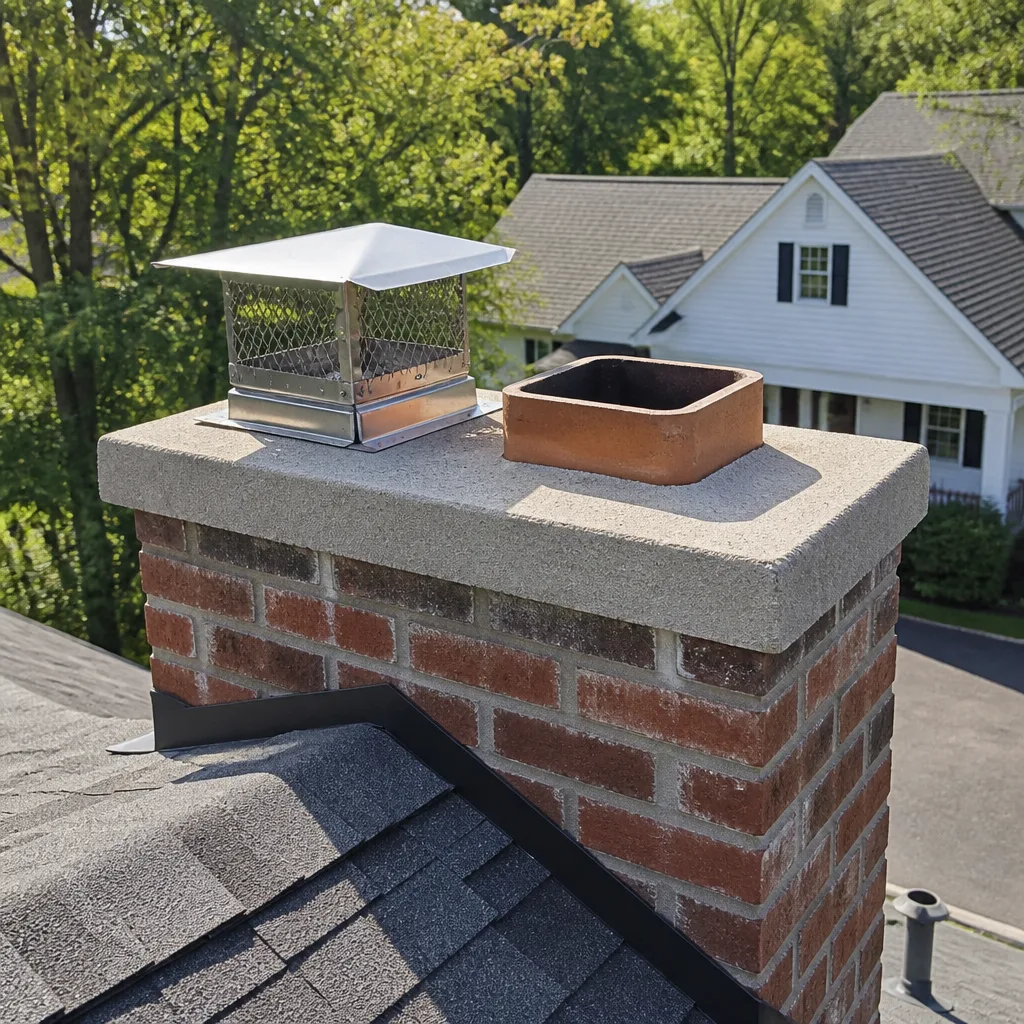
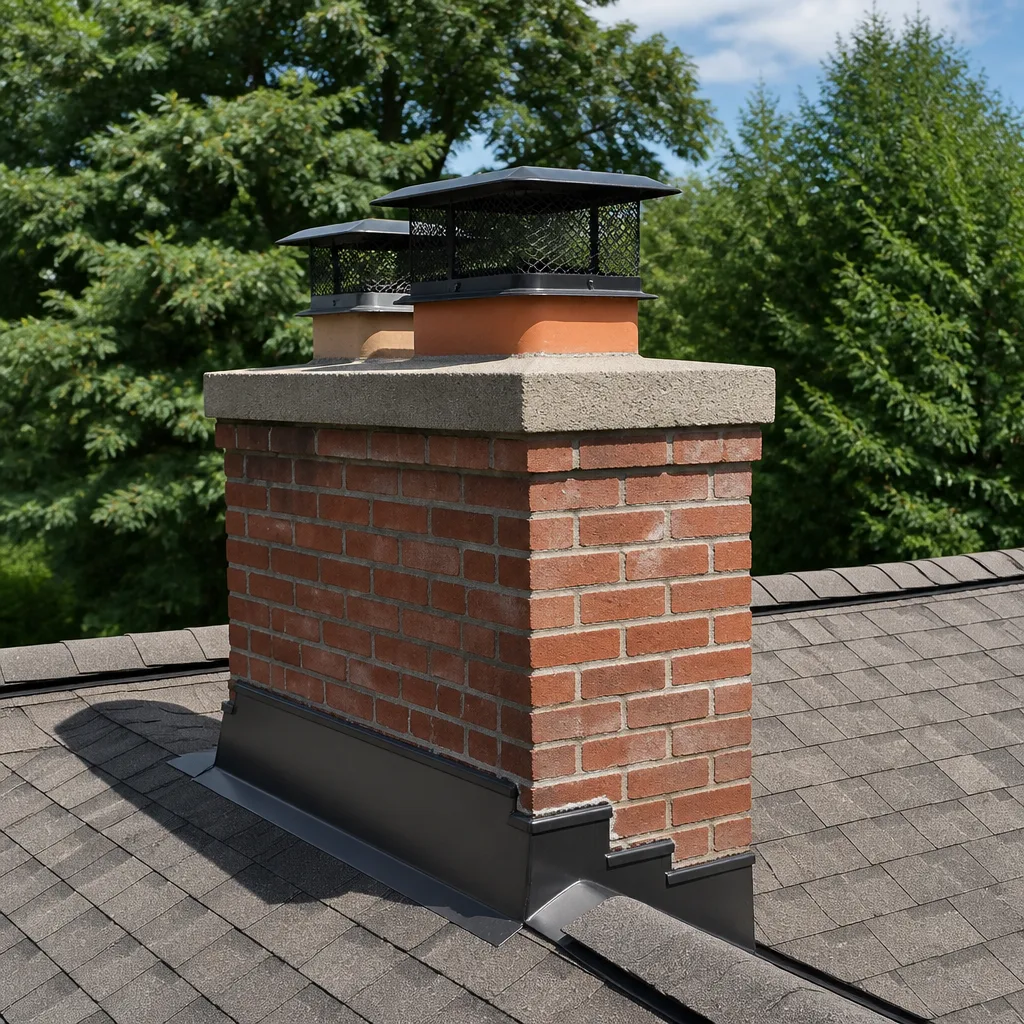
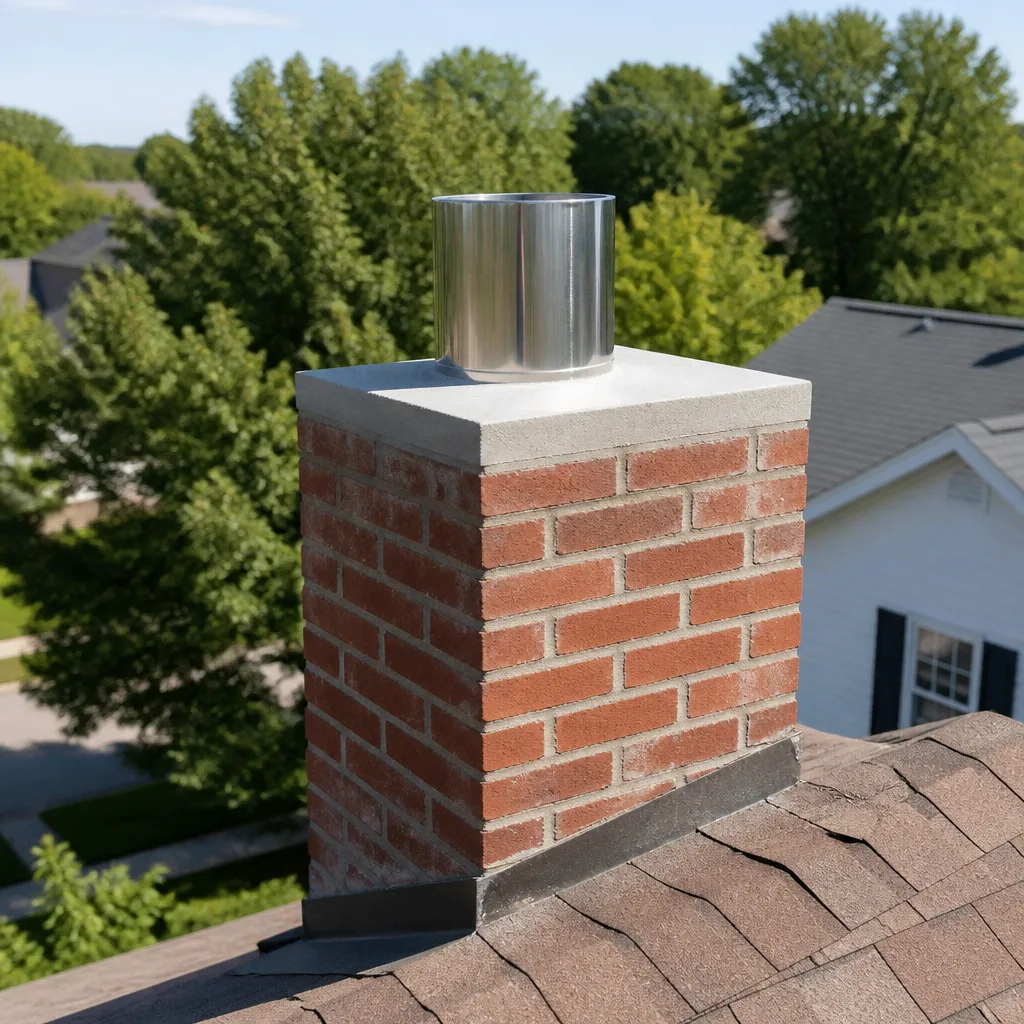
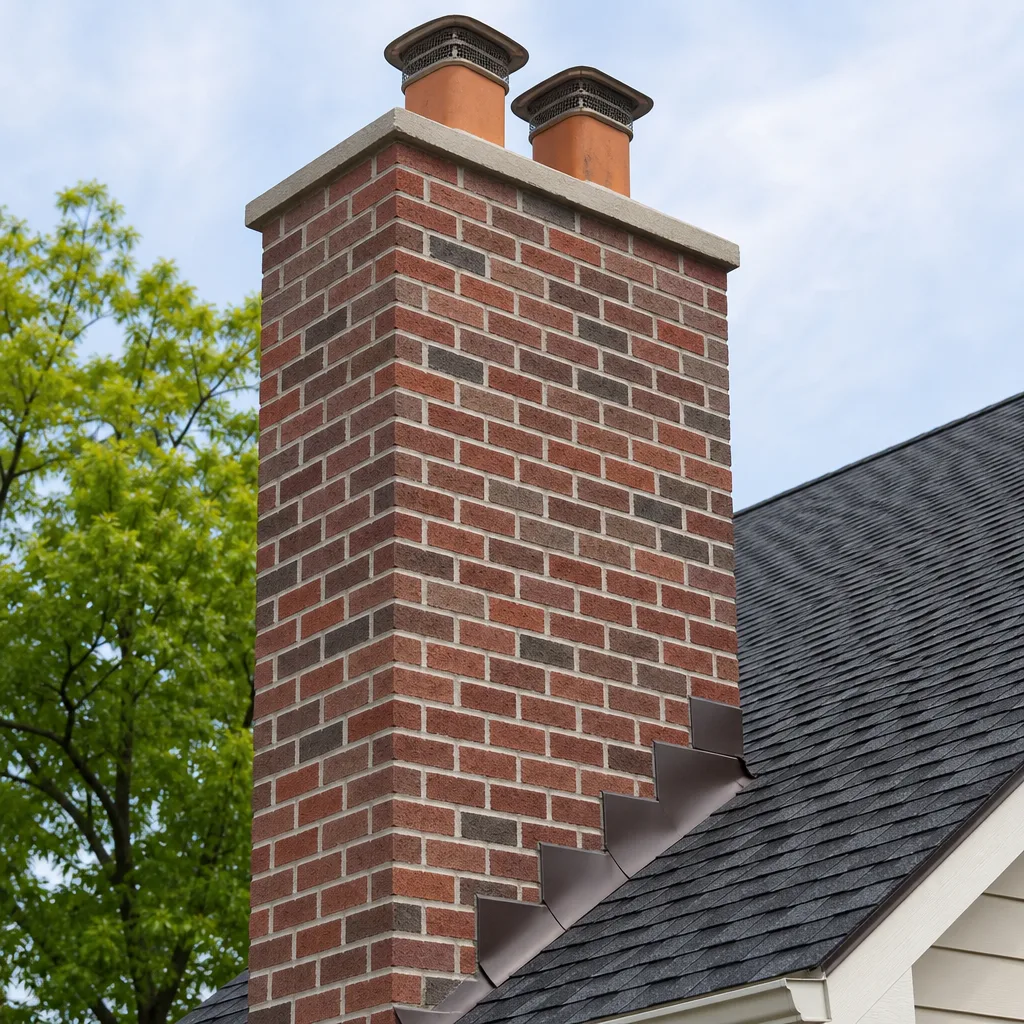
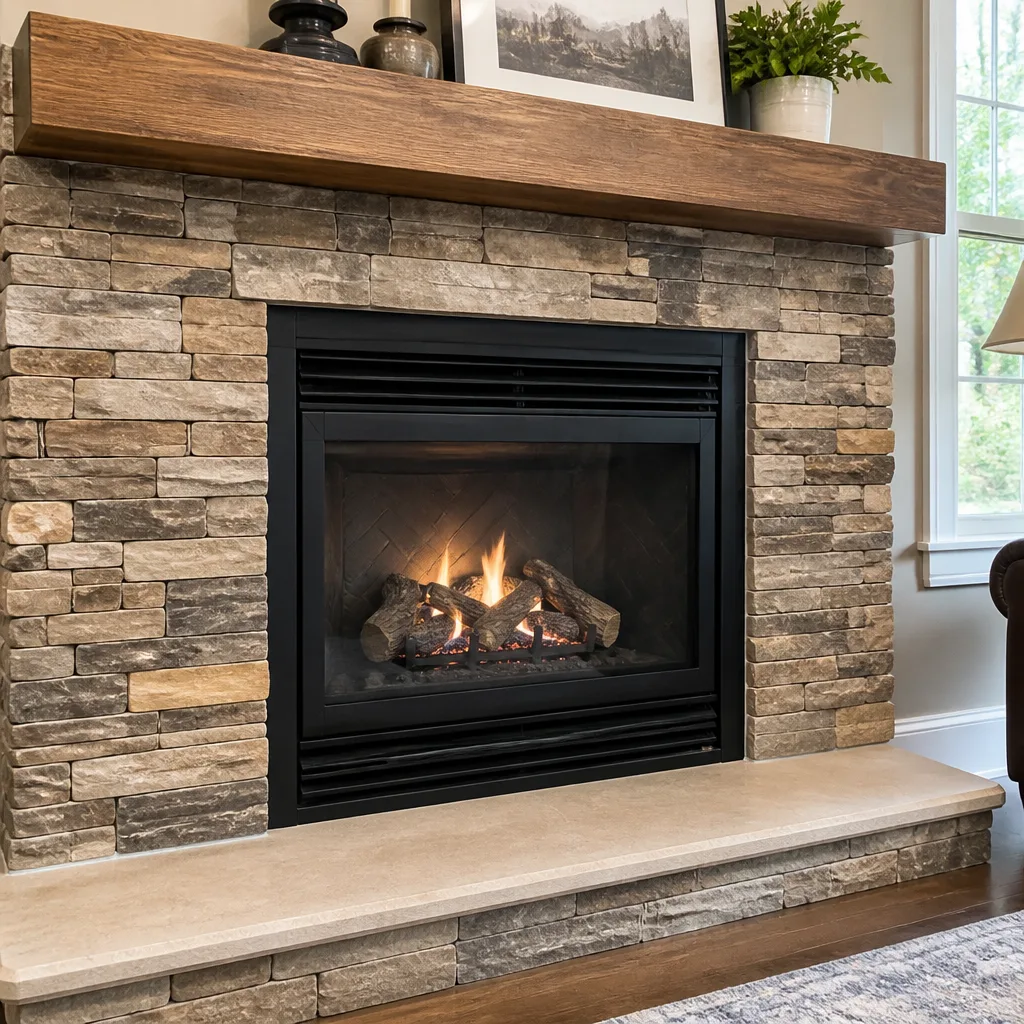
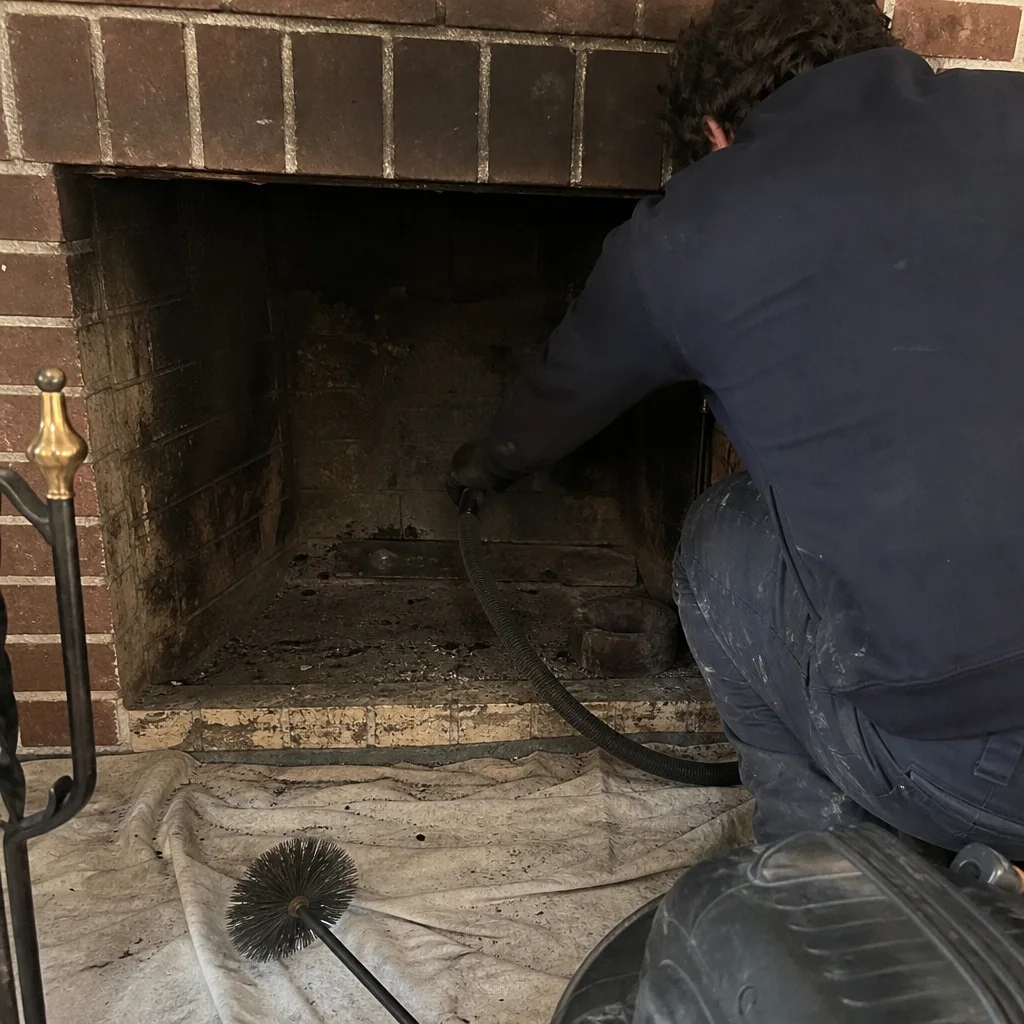 Before
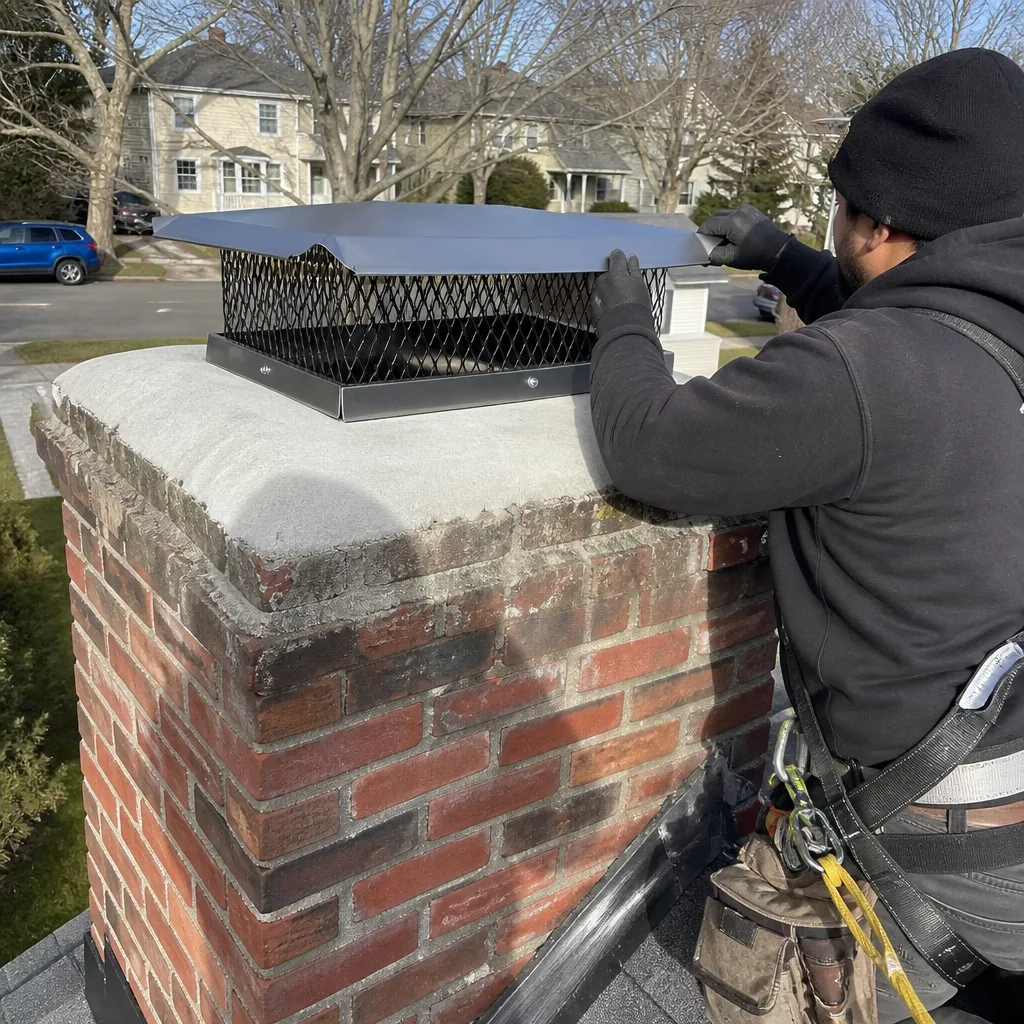 After
After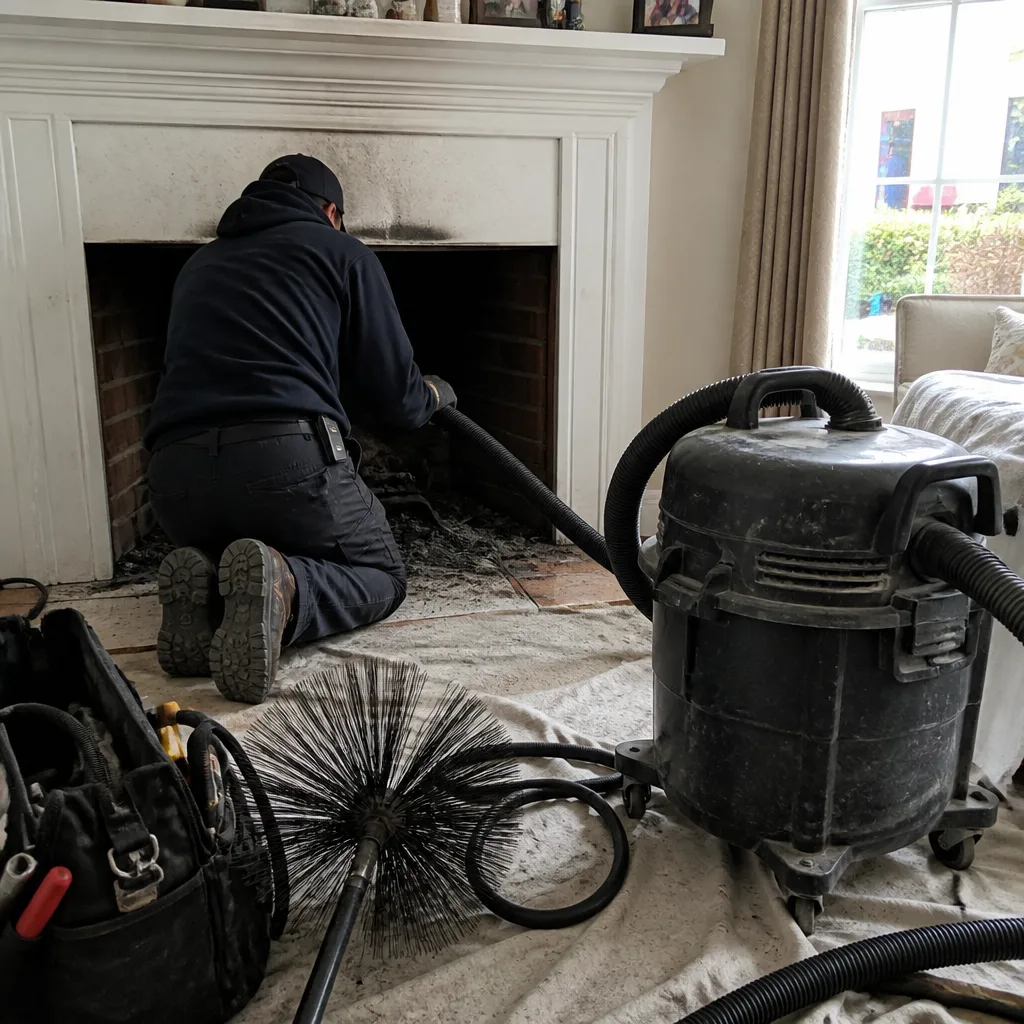 Before
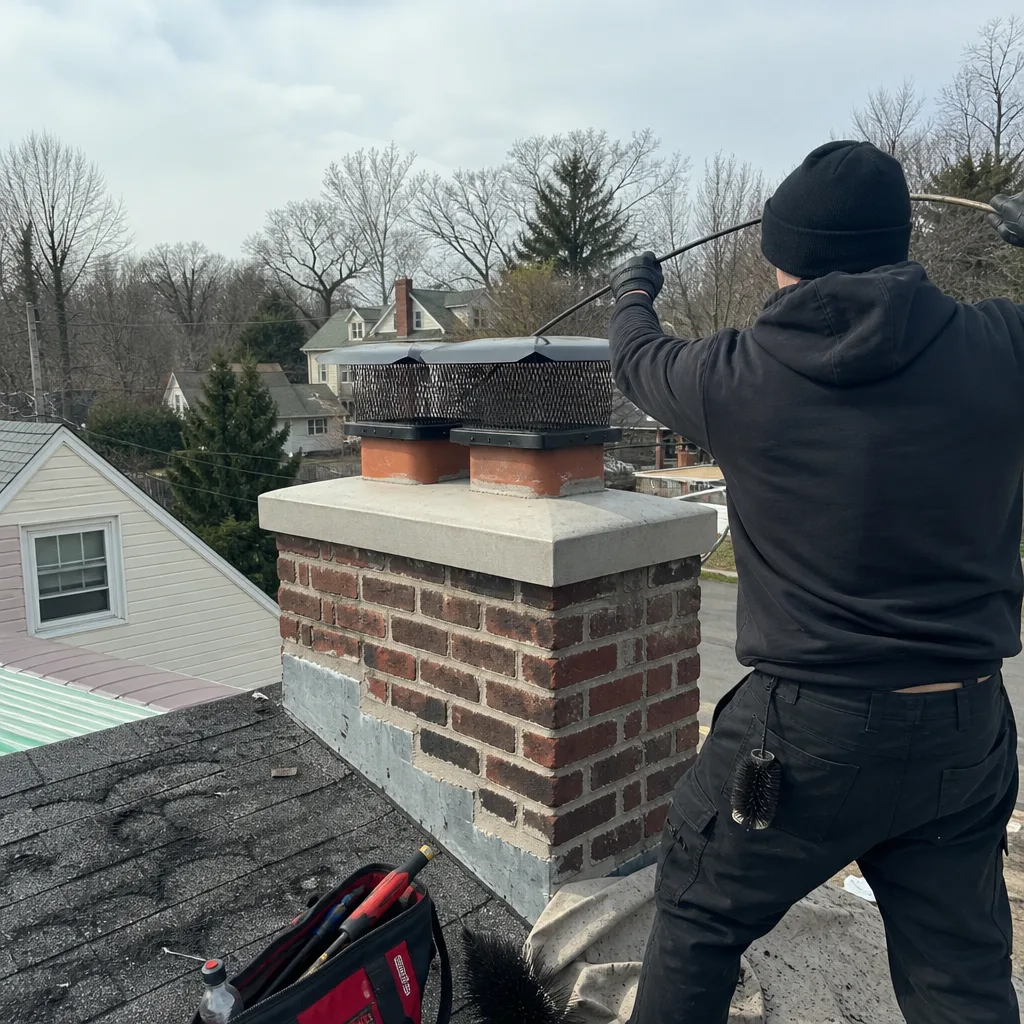 After
After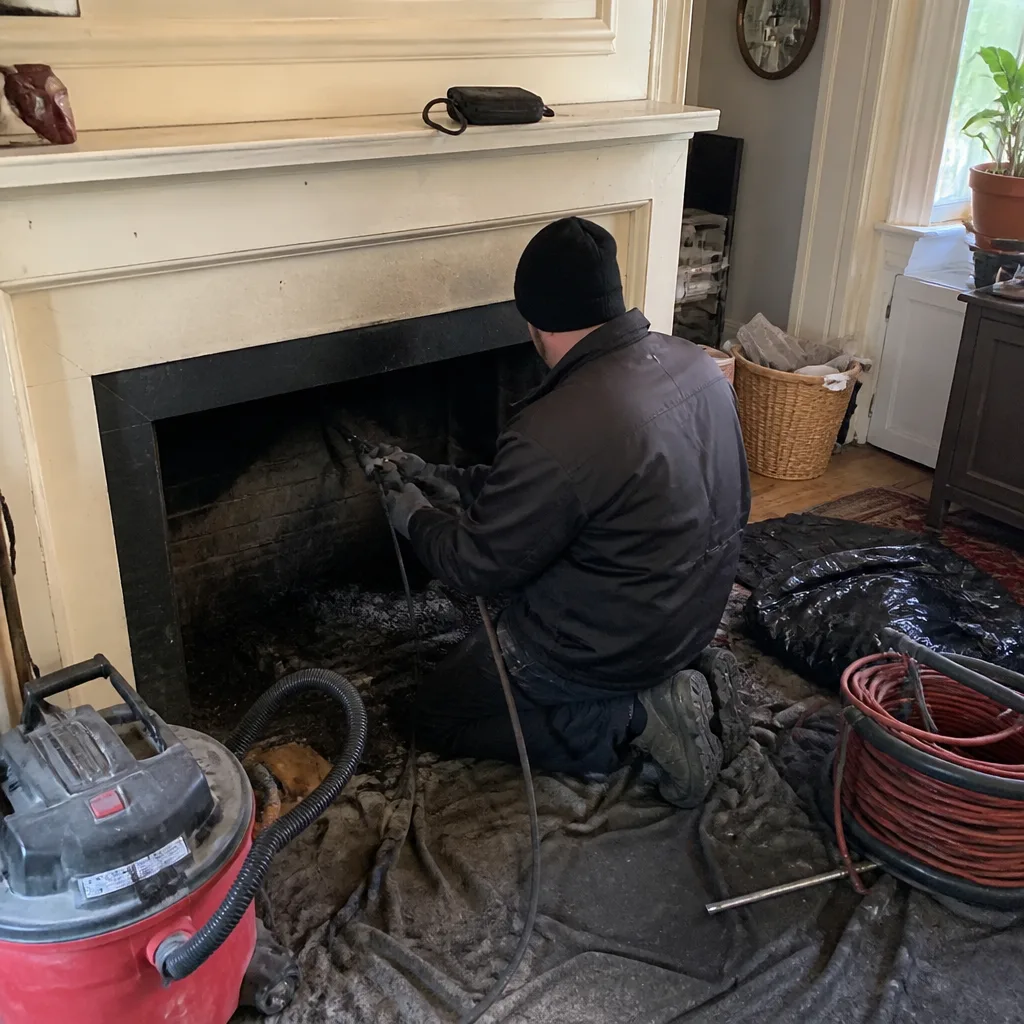 Before
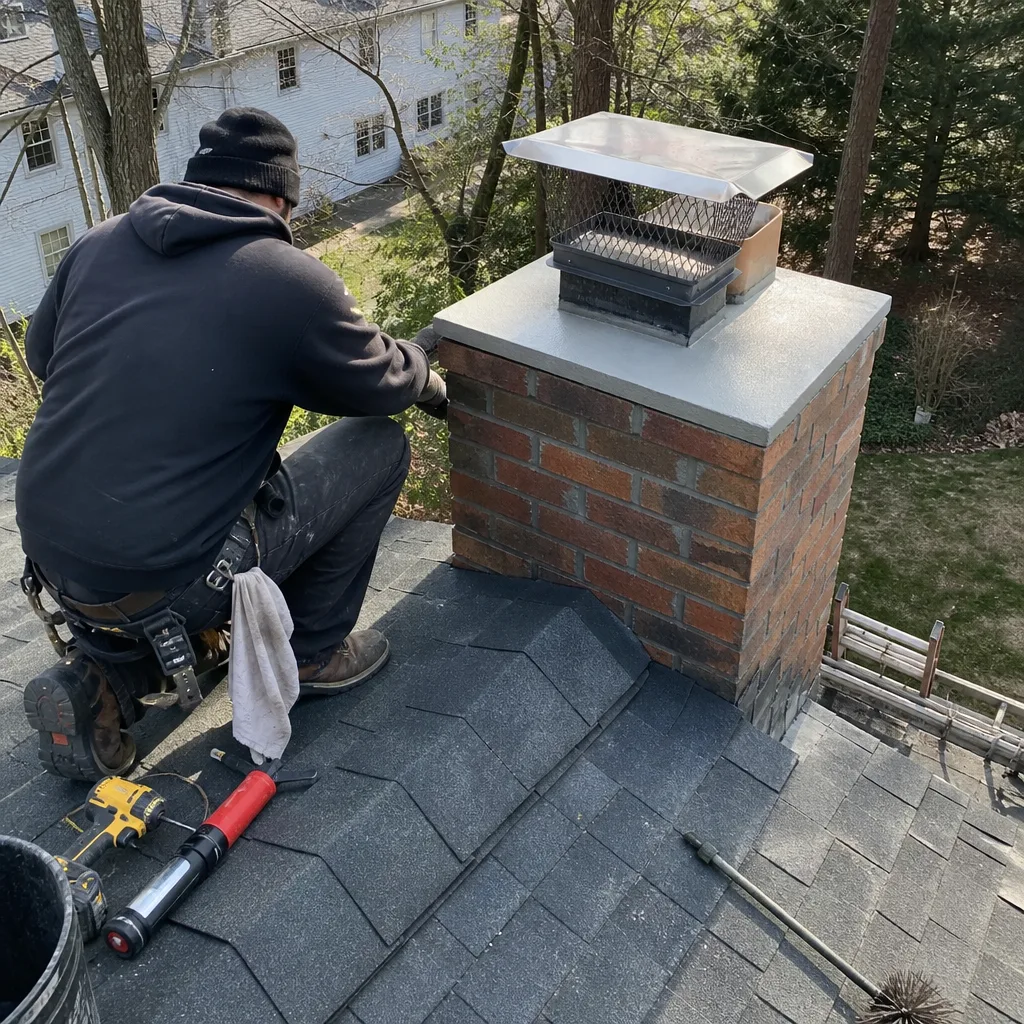 After
AfterDIY vs Professional Chimney Cleaning: The White Plains Homeowner’s Decision Guide
Here’s something most chimney guides won’t tell you: the part of chimney cleaning that costs money isn’t moving creosote from the flue to a drop cloth. It’s knowing what you’re looking at while you do it - and that’s the part no kit ships with. We’ve been sweeping chimneys in White Plains for over 42 years, and we’ve seen the aftermath of both careful DIY attempts and the more common scenario, where a homeowner cleaned what they could reach and missed what mattered. This guide draws an honest line between when doing it yourself makes sense and when it doesn’t, based on the actual housing stock, climate, and risks we encounter in Westchester County - and for how to hire a chimney cleaning contractor in White Plains when DIY isn’t the right choice.
Quick Answer
DIY chimney cleaning in White Plains is reasonable only for a narrow set of circumstances: newer construction with documented professional inspections, gas log inserts with annual service records, and homeowners who burn fewer than three cords per season with no warning signs present. For the majority of White Plains homes - particularly pre-1970 properties with clay tile flues, unknown renovation history, or active wood-burning - professional cleaning with a Level-2 camera inspection is the only way to confirm that the flue is both clean and structurally sound, as covered in our seasonal chimney cleaning care guide for White Plains. The brush work takes 20 minutes; the inspection that follows it is what prevents house fires and carbon monoxide intrusion.
Table of Contents
- What DIY Cleaning Actually Accomplishes (and What It Cannot)
- The White Plains Housing Factor: Why Age and History Matter
- Equipment Reality: Costs, Capabilities, and Hard Limits
- The Inspection Gap: What No Kit Ships With
- A Decision Framework for White Plains Homeowners
- Safety Realities You Cannot DIY Around
- Common Mistakes to Avoid
- When to Call a Professional
- Frequently Asked Questions
- The Bottom Line
What DIY Cleaning Actually Accomplishes (and What It Cannot)
Let’s start with what a homeowner can realistically do with a brush-and-rod kit from the hardware store.
DIY chimney cleaning removes Stage 1 creosote - the flaky, sooty deposit that forms during normal wood combustion - from accessible flue surfaces. If your chimney has a straight run, no significant offsets, and the creosote hasn’t hardened past the brushable stage, you can physically move material from the flue walls into the firebox, where it can be vacuumed out. This is not nothing. In certain narrow circumstances, which we’ll detail below, it can serve as interim maintenance between professional visits.
But here’s what DIY cleaning cannot accomplish, no matter how thorough the homeowner:
- Assess liner integrity. Clay tile liners crack. Stainless steel liners corrode at weld points. No brush tells you this.
- Identify mortar joint failure. The cement between flue tiles degrades with thermal cycling. Failed joints allow gases and sparks into wall cavities.
- Distinguish Stage 2 or 3 creosote. Stage 2 is crunchy and porous; Stage 3 is glazed, tar-like, and essentially welded to the flue surface. Both require chemical treatment or mechanical removal that risks damaging the flue if done incorrectly.
- Evaluate crown, cap, or flashing condition. Water intrusion from above destroys chimneys from the outside in. You can’t see this from the firebox.
- Confirm proper clearances to combustibles. A chimney may be clean and still unsafe if framing was built too close during a renovation.
In our experience across White Plains neighborhoods from Gedney Farms to Fisher Hill, the chimneys that present the most serious hidden conditions are often the ones that looked fine from below. We’ve pulled rods from flues that brushed clean to the eye but showed quarter-inch gaps between tiles at the second course - gaps that would have admitted combustion gases into a bedroom wall cavity.
The physical cleaning is the visible part of the service. The invisible part, the inspection, is where the value lives.
The White Plains Housing Factor: Why Age and History Matter
White Plains presents a specific challenge for DIY assessment: a housing stock that spans nearly 120 years of construction methods, often with undocumented modifications between owners.
Consider the typical pre-1970 home in neighborhoods like Battle Hill, Prospect Park, or the streets north of downtown. These properties were built with unlined brick chimneys or clay tile flues sized for coal or early oil burners. Over decades, they may have been:
- Converted to wood-burning fireplaces with or without proper resizing
- Fitted with gas log inserts using original flue dimensions
- Relined partially or fully, sometimes with materials no longer code-compliant
- Subject to chimney fires that damaged liner or masonry without visible exterior evidence
Each of these modifications leaves signatures that a trained eye recognizes and a homeowner typically doesn’t. We’ve found galvanized vent pipe used as a “liner” in a 1920s Prospect Park colonial - rusted through at the thimble and venting into a plaster wall. The homeowner had cleaned that flue annually for fifteen years. The brush passed through; the problem remained.
The freeze-thaw cycle in Westchester County compounds masonry deterioration. White Plains sees roughly 30 freeze-thaw cycles per winter, more than coastal Connecticut and fewer than the Hudson Valley interior, but enough to stress crown mortar and exterior brick. A DIY cleaner working from inside has no window into this degradation until water stains appear on a ceiling or a crown fails completely.
Unknown renovation history is the silent variable. When a home has had four owners and three kitchen remodels, the chimney may have been modified by someone who knew just enough to be dangerous. Without a camera inspection and a technician who has seen hundreds of similar configurations, you’re operating on assumptions.
This isn’t to say every old chimney is a hazard. Many are sound for decades. But soundness is a condition to be verified, not assumed - and verification requires equipment and training that don’t fit in a homeowner’s closet.
Equipment Reality: Costs, Capabilities, and Hard Limits
A proper DIY chimney cleaning setup runs $150-$300 for purchase, or $50-$80 for rental. Here’s what that buys and where it stops - and for full context, see our chimney cleaning cost breakdown for White Plains homeowners.
The basic kit includes:
- Polypropylene or wire brush sized to your flue diameter (typically 6″, 7″, or 8″)
- Fiberglass extension rods, usually 3-6 feet each, connecting to reach full flue height
- Drop cloths for hearth and floor protection
- A shop vacuum, ideally HEPA-rated, for soot containment
- Safety glasses, dust mask, and work gloves
For a straight-run masonry flue with Stage 1 creosote, this equipment handles the physical task adequately. The brush scrapes; the rods extend; the vacuum collects. If you’re methodical and accept that you’ll get dirty, you can remove accumulated soot from accessible surfaces.
The hard limits arrive quickly:
| Capability | DIY Equipment | Professional Equipment |
|---|---|---|
| Flue brushing to full height | Yes, if straight run | Yes, including offsets |
| HEPA containment | Consumer-grade, marginal | Industrial, negative-air setup |
| Internal visual inspection | Flashlight, mirror (limited) | Video camera, 360-degree view |
| Liner condition assessment | Not possible | Camera + trained interpretation |
| Crown/cap/flashing evaluation | Roof access required, no expertise | Standard, with documentation |
| Creosote stage identification | Guesswork | Trained classification + treatment protocol |
| Combustible clearance verification | Not possible | Code-based measurement + documentation |
The critical distinction: professional chimney sweeps don’t simply own better brushes. They own the 45 minutes of structured inspection that follows the brush work. At Hearthstone Chimney Co., our Level-2 inspections use video scanning equipment that captures the full flue interior, with photos the homeowner can see and a plain-English verdict on what those photos mean. No brush kit includes this, and no amount of homeowner diligence substitutes for it.
We’ve also found that DIY attempts with improper brush sizing - common when homeowners guess at flue diameter - can damage clay tile edges or dislodge already-compromised liner sections. The $200 saved on a service call becomes a $2,000 liner repair.
The Inspection Gap: What No Kit Ships With
This is the core argument, and it’s worth stating plainly. The market for chimney cleaning separates the physical labor from the technical assessment because the labor is visible and the assessment is not. Homeowners naturally gravitate toward what they can see themselves doing. But the value proposition of professional service is almost entirely in the assessment.
Here’s what a proper post-sweep inspection includes, and why each element matters for White Plains homes specifically:
1. Video scanning of the full flue length
We run a camera from the firebox to the crown, documenting every liner joint, every mortar bed, every transition. In White Plains’ older housing, we’re looking specifically for:
- Cracked clay tiles at the first offset (thermal stress concentrates here)
- Spalled mortar creating gaps between tile courses
- Evidence of previous chimney fires (heat-checked tile surfaces, distorted metal)
- Proper connection between appliance flue collar and liner
2. Exterior evaluation of crown, cap, and flashing
Water is the slow destroyer of chimneys in our climate. A crown with hairline cracks today admits freeze-thaw damage next winter. We document crown condition, cap fit, and flashing integration with the roof plane. In neighborhoods like Gedney Farms, where mature trees drop debris and shelter moisture, cap function is particularly critical.
3. Combustible clearance verification
The National Fire Protection Association specifies minimum clearances between chimney liners and surrounding framing. These clearances are invisible once construction is complete. Camera inspection can reveal evidence of pyrolysis - the slow heating of wood to ignition temperature over years of exposure - that shows clearances were violated during a renovation.
4. Creosote stage classification and treatment planning
Stage 1 brushes off. Stage 2 may require rotary cleaning or chemical treatment. Stage 3 glazed creosote, common in slow-burning inserts or improperly sized flues, requires specialized removal that risks flue damage if attempted with standard brushes. We classify what we find and plan accordingly, using professional-grade materials from HeatShield for refractory repair and Gelco for cap and accessory installation when conditions warrant.
The homeowner who completes a DIY cleaning knows the flue is cleaner than it was. The homeowner who receives a professional service knows whether the flue is safe to use. These are different outcomes, and the second one is what matters.
A Decision Framework for White Plains Homeowners
We’ve laid out the limitations honestly. Now here’s a practical framework for deciding which path fits your situation, with more guides & resources available on our blog if you need additional detail.
DIY cleaning may be reasonable as interim maintenance if ALL of the following apply:
- Your last professional Level-2 inspection was within 12 months, with documentation of a sound liner and no Stage 2+ creosote.
- You burn fewer than three cords of seasoned hardwood per season.
- Your appliance is a gas log insert or a properly sized, EPA-certified wood stove with documented installation.
- Your home was built after 1970 with a factory-built chimney system or documented stainless steel liner installation.
- You observe no warning signs: no smoke spillage at startup, no unusual odors, no visible exterior damage, no performance degradation.
- You own and can properly use appropriate PPE and HEPA containment.
Professional service is warranted if ANY of the following apply:
- Your last professional inspection is unknown, undocumented, or more than 12 months past.
- You burn more than three cords annually, or you burn softwood, unseasoned wood, or pressed logs.
- Your home was built before 1970, or has had multiple owners with unknown renovation history.
- You’ve noticed any change in draft performance, smoke spillage, or heating efficiency.
- You’re preparing to sell the home or file an insurance claim related to chimney function.
- You’ve never personally witnessed a camera inspection of your flue interior.
The majority of White Plains homes we service fall into the second category. This isn’t a judgment on homeowner capability. It’s a recognition that the housing stock, burn patterns, and renovation histories common in Westchester County create conditions where verification matters more than cleaning alone.
For those in the first category, we still recommend professional inspection every 12-24 months, with DIY cleaning as a mid-season supplement only. The $89 Seasonal Tune-Up we offer covers this interval professionally, with documentation that protects your warranty and insurance position.
Safety Realities You Cannot DIY Around
Certain chimney hazards are genuinely dangerous to life and property, and they cannot be identified or addressed from the firebox with a brush.
Carbon monoxide intrusion occurs when flue gases leak through cracked liners or failed mortar joints into living spaces. CO is odorless, colorless, and lethal at concentrations that produce no immediate symptoms. A clean flue with a cracked liner vents CO just as effectively as a dirty one. Only camera inspection reveals the cracks.
Chimney fires typically start when ignited creosote deposits heat adjacent combustibles through a compromised liner. The fire may be contained within the flue or may escape through gaps into wall cavities. Post-fire damage to liner and masonry is often invisible from below. We’ve inspected chimneys where the homeowner reported “a little puffing sound” that was actually a significant fire event, with heat-checked tiles that would have failed at the next use.
Structural masonry failure from water intrusion progresses behind exterior finishes. By the time staining appears inside, the damage is extensive. Crown cracks, flashing failures, and missing mortar joints admit water that freezes, expands, and destroys. A DIY cleaner working from the interior has no mechanism to catch this early.
These are not theoretical risks. The White Plains Fire Department responds to chimney fires annually, and carbon monoxide incidents in older Westchester housing are documented in public health records. Professional inspection doesn’t eliminate risk, but it identifies conditions that create risk while they can still be corrected at moderate cost.
We include this safety caveat because it’s our duty as practitioners: if you have any reason to suspect liner damage, CO symptoms (headache, nausea, confusion in household members), or previous chimney fire, do not attempt DIY cleaning. Evacuate if CO is suspected, and call a professional for assessment before the next burn.
Common Mistakes to Avoid
- Assuming a clean flue is a safe flue. We’ve found structurally compromised liners in chimneys that brushed clean and passed a flashlight inspection. Cleanliness and safety are related but not equivalent.
- Using a brush without confirming flue diameter. Oversized brushes wedge and damage clay tile edges. Undersized brushes glaze creosote without removing it, making later professional removal harder and more expensive.
- Neglecting roof-level components. The crown, cap, and flashing keep water out. A homeowner who cleans from below and never inspects from above misses the most common cause of chimney failure in White Plains’ freeze-thaw climate.
- Burning unseasoned or softwood, then DIY-cleaning annually as if that suffices. Unseasoned wood produces accelerated Stage 2 and 3 creosote that requires professional removal. Annual brushing of heavy deposits without proper classification often makes the problem worse.
- Assuming gas appliances need no inspection. Gas flues degrade from condensate and can be blocked by bird nests or deterioration debris. Clean combustion doesn’t mean safe venting.
- Trusting a home inspector’s chimney assessment at purchase. General home inspectors visually inspect from ground level or roof edge. They do not camera-scan flue interiors. We’ve found critical liner failures in chimneys that “passed” inspection at sale.
- Waiting for visible smoke or odor before acting. By the time problems announce themselves, they’re typically expensive. The purpose of professional inspection is to find conditions before they become emergencies.
When to Call a Professional
Call when your situation doesn’t match the narrow DIY criteria above. Call when your home’s history is unknown, your burn volume is significant, or your last professional inspection is undocumented. Call when you smell smoke where it shouldn’t be, when draft has changed, or when you’re preparing for another heating season and can’t remember what the inside of your flue looked like.
At Hearthstone Chimney Co., we’ve built our practice on the principle that the homeowner deserves to see what we see and understand what it means. Our Level-2 camera inspections end with photos you can see and a plain-English verdict - documented like an engineer, explained like a craftsman. Every job is backed by our 90-Day Done Right Promise: if it’s not right, we make it right, in writing, with no arguing.
We offer free estimates in White Plains and surrounding Westchester communities. A live person answers our phone 24 hours a day, 7 days a week - not a voicemail, not a callback queue. Our technicians are background-checked, uniformed, and complete most jobs in a single visit, with no-hassle upfront pricing so there are no surprises on the bill.
For chimney repair, fireplace services, or a professional cleaning with full inspection, call (914) 603-1360 to schedule. Estimates are free, and we’ll show you exactly what your chimney needs - and what it doesn’t.
Frequently Asked Questions
A standard chimney sweep and Level-1 inspection in White Plains typically runs $200-$350, while a Level-2 inspection with video scanning ranges from $300-$500 depending on accessibility and system complexity. Our $89 Seasonal Tune-Up offers professional cleaning and basic inspection for straightforward systems during off-peak booking windows. Call (914) 603-1360 for an exact quote - estimates are free, and the number on the estimate is the number on the invoice.
The National Fire Protection Association recommends annual inspection for all chimney systems, with cleaning frequency determined by creosote accumulation. Most wood-burning households in White Plains need annual sweeping; those burning fewer than two cords of seasoned hardwood may extend to every 18-24 months with documented professional verification. Gas systems should be inspected annually for venting integrity, though cleaning needs are typically minimal. Call us to assess your specific burn pattern and system age.
A standard shop vacuum will capture coarse debris but lacks the HEPA filtration and negative-air containment needed for fine soot and creosote particles. Without proper containment, you’ll redistribute respirable particles throughout your home. Professional equipment uses HEPA filtration rated at 99.97% efficiency at 0.3 microns, with containment protocols that protect both technician and homeowner. If you attempt DIY cleaning, use a vacuum explicitly rated HEPA and wear a properly fitted N95 respirator minimum.
Skipped maintenance leads to creosote accumulation, which increases chimney fire risk and reduces draft efficiency. In White Plains’ older housing stock, it also means undetected liner degradation continues until failure - potentially venting carbon monoxide into living spaces or allowing a contained chimney fire to escape into wall cavities. The cost of deferred maintenance is typically 5-10 times the cost of annual service when failure finally occurs. We document conditions at every visit so you can make informed decisions about timing.
You need a new liner when the existing liner is damaged, improperly sized, or absent - and only a camera inspection can confirm this with certainty. We’ve replaced liners that were visibly intact from below but cracked at the second offset, and we’ve advised homeowners to continue using sound clay tile liners that competitors claimed needed replacement. At Hearthstone, nothing is recommended without camera evidence you can see for yourself, and we’ll plainly tell you when work can safely wait. Get a free second opinion on any written estimate recommending liner replacement.
DIY chimney cleaning is legal for single-family homeowners working on their own property. However, New York State and White Plains building codes require that any chimney modification, liner installation, or repair affecting structural or venting safety be performed by qualified professionals and permitted where applicable. Your homeowners insurance may also require documented professional inspection for coverage of chimney-related incidents. We provide inspection documentation that satisfies major insurers’ requirements.
The Bottom Line
DIY chimney cleaning occupies a narrow, legitimate space: interim maintenance for well-documented, newer systems with light use and recent professional verification. For most White Plains homeowners - especially those in pre-1970 housing with unknown histories - the risk isn’t that you’ll do the brush work poorly. It’s that you’ll do it adequately and conclude the job is done, while the conditions that matter remain invisible above your reach.
The professional’s value isn’t the brush. It’s the 45 minutes of structured inspection that follows it, with equipment and training that reveal what no homeowner can see from the firebox. At Hearthstone Chimney Co., we’ve built our reputation on showing homeowners exactly what their chimney needs - and what it doesn’t - with photos they can see and a guarantee we stand behind. Done right, and we stand behind it. That’s the only way we know to work.
Written by Russell Haines, Owner at Hearthstone Chimney Co., serving White Plains since 2014.