
Last updated September 10, 2026
Level 1 sweep and inspection to the NFPA 211 annual standard - flue, crown, cap, and flashing checked and photographed
Chimney sweep logs do not sweep chimneys. They loosen some creosote - which then falls where a brush and vacuum still have to collect it.
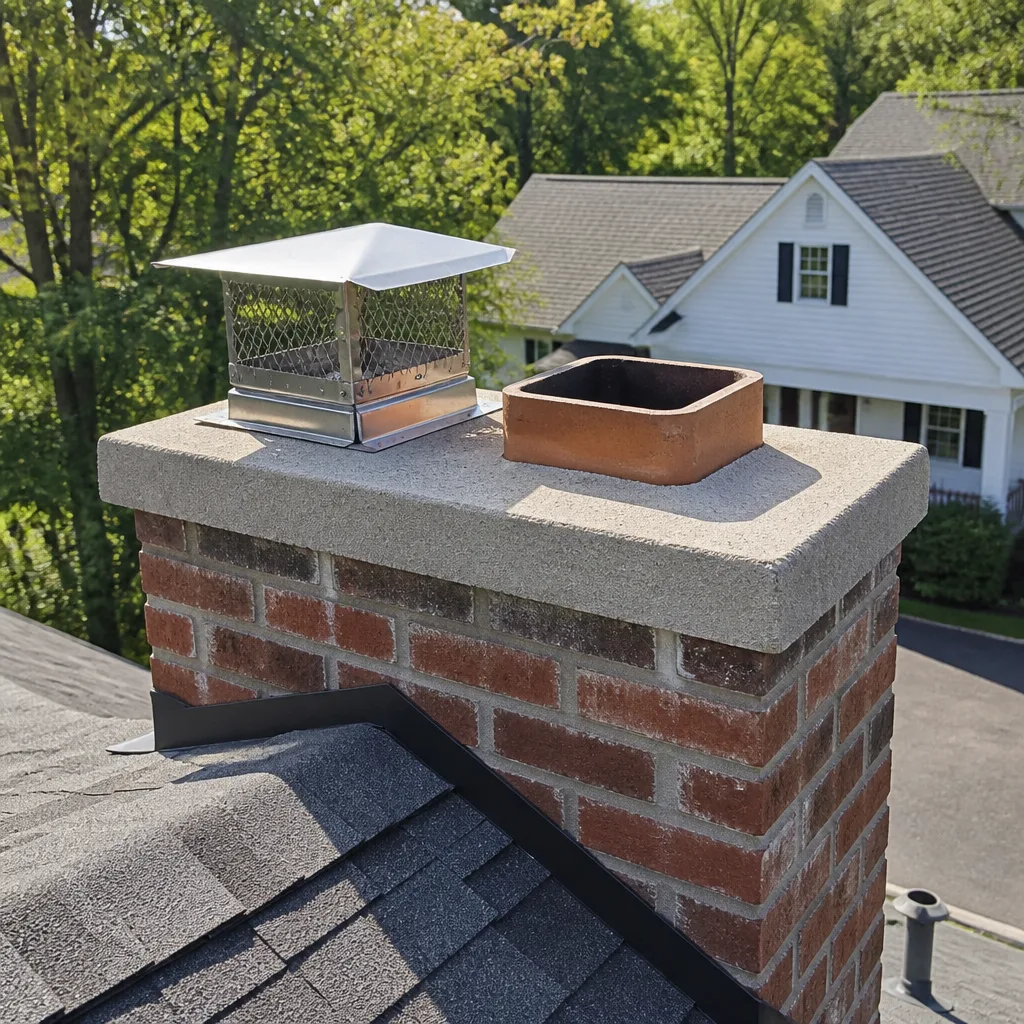
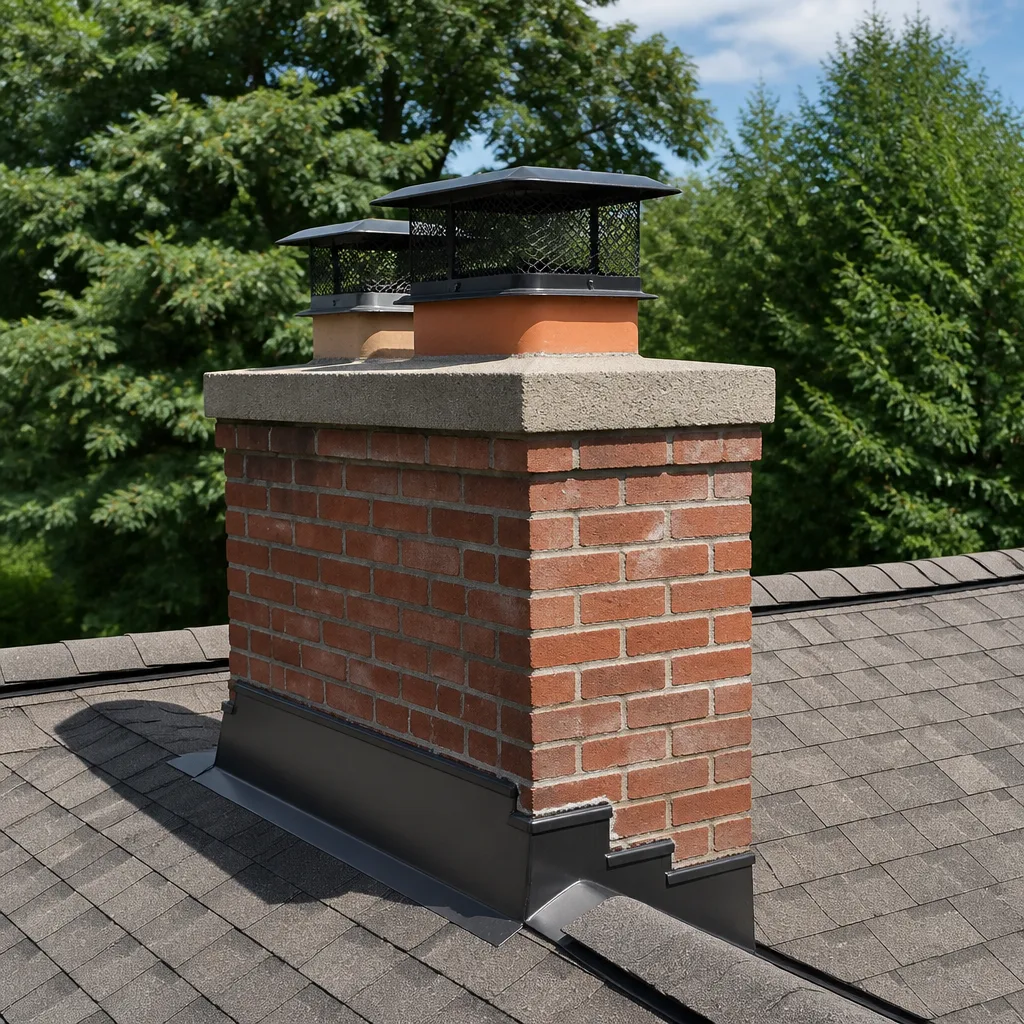
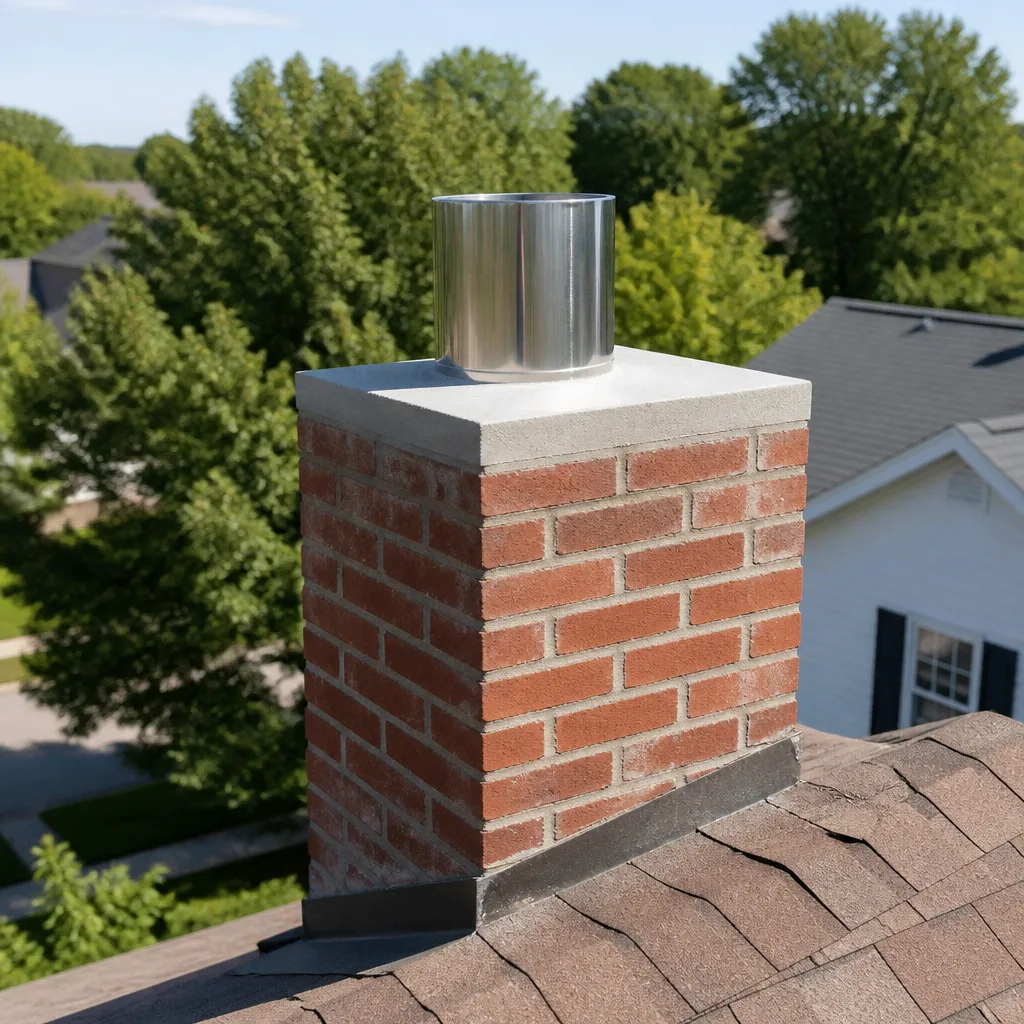
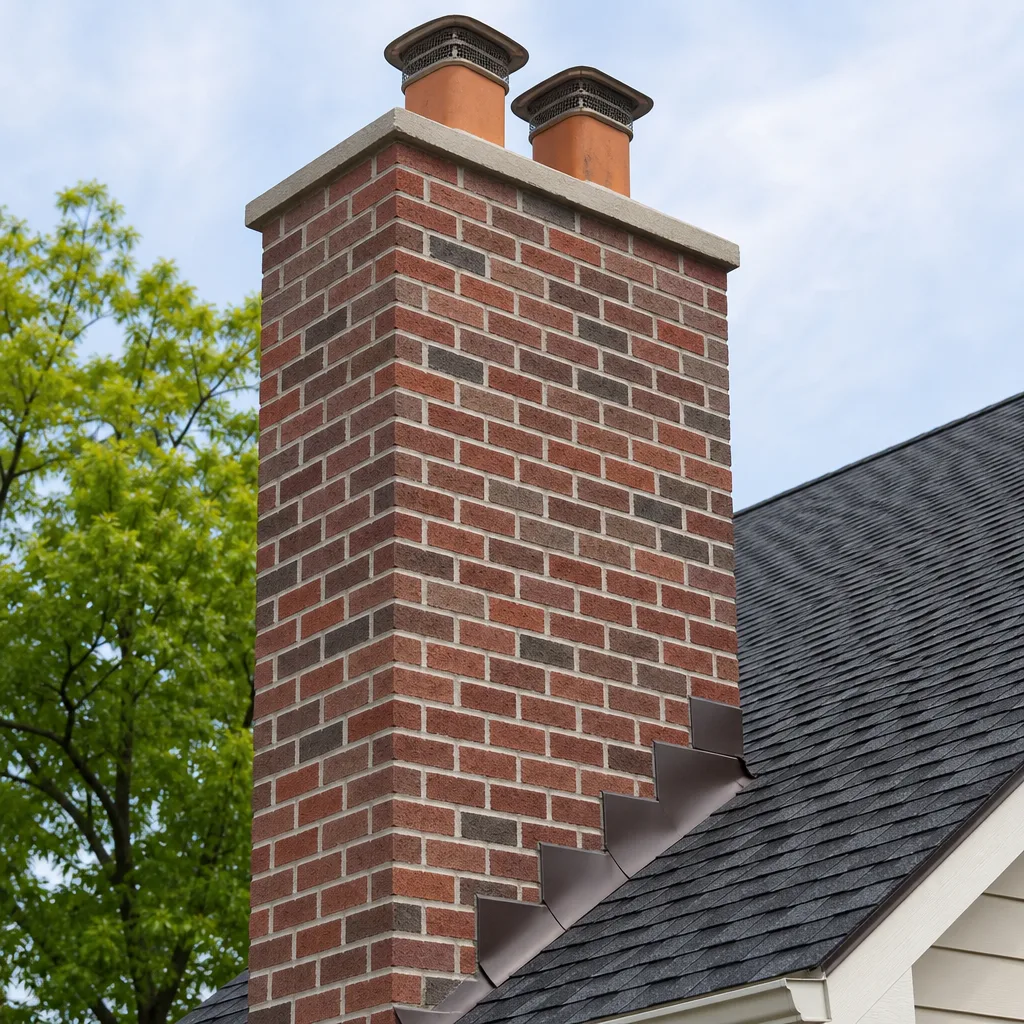
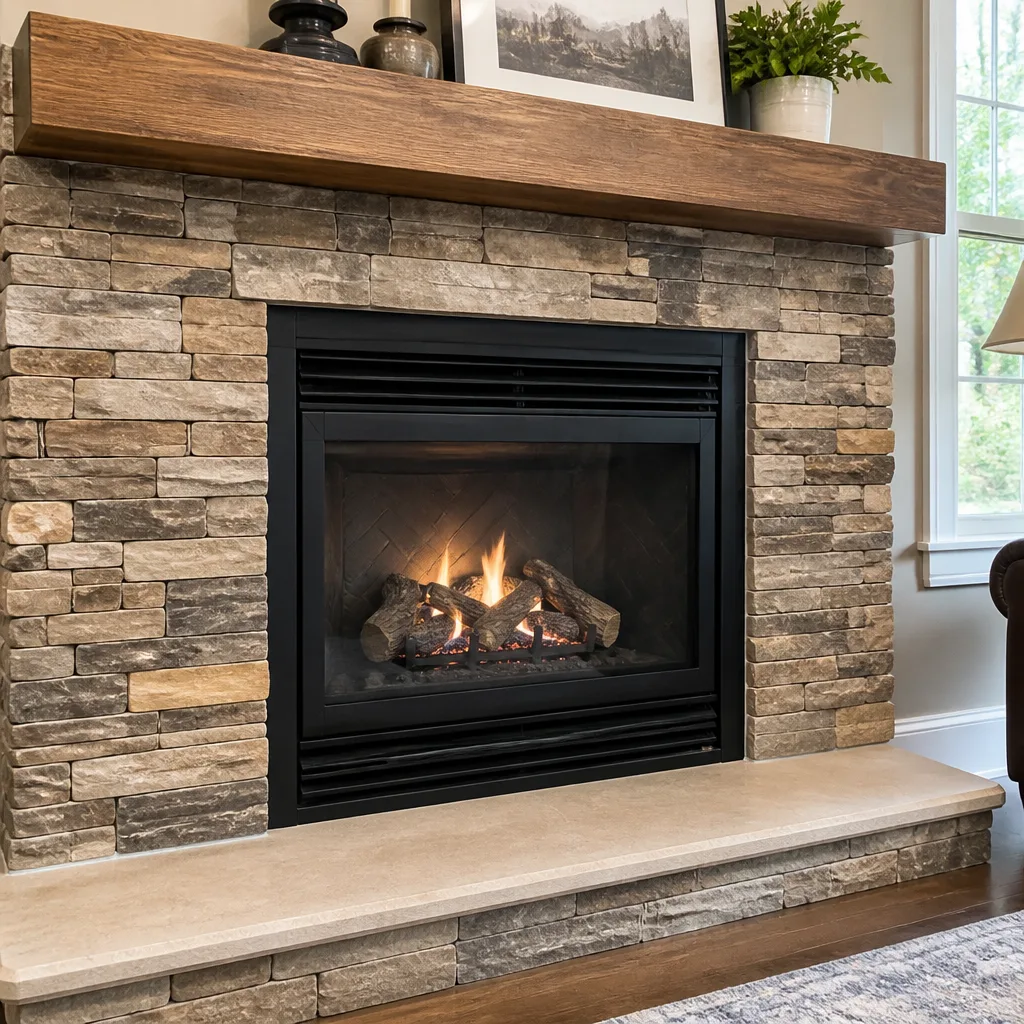
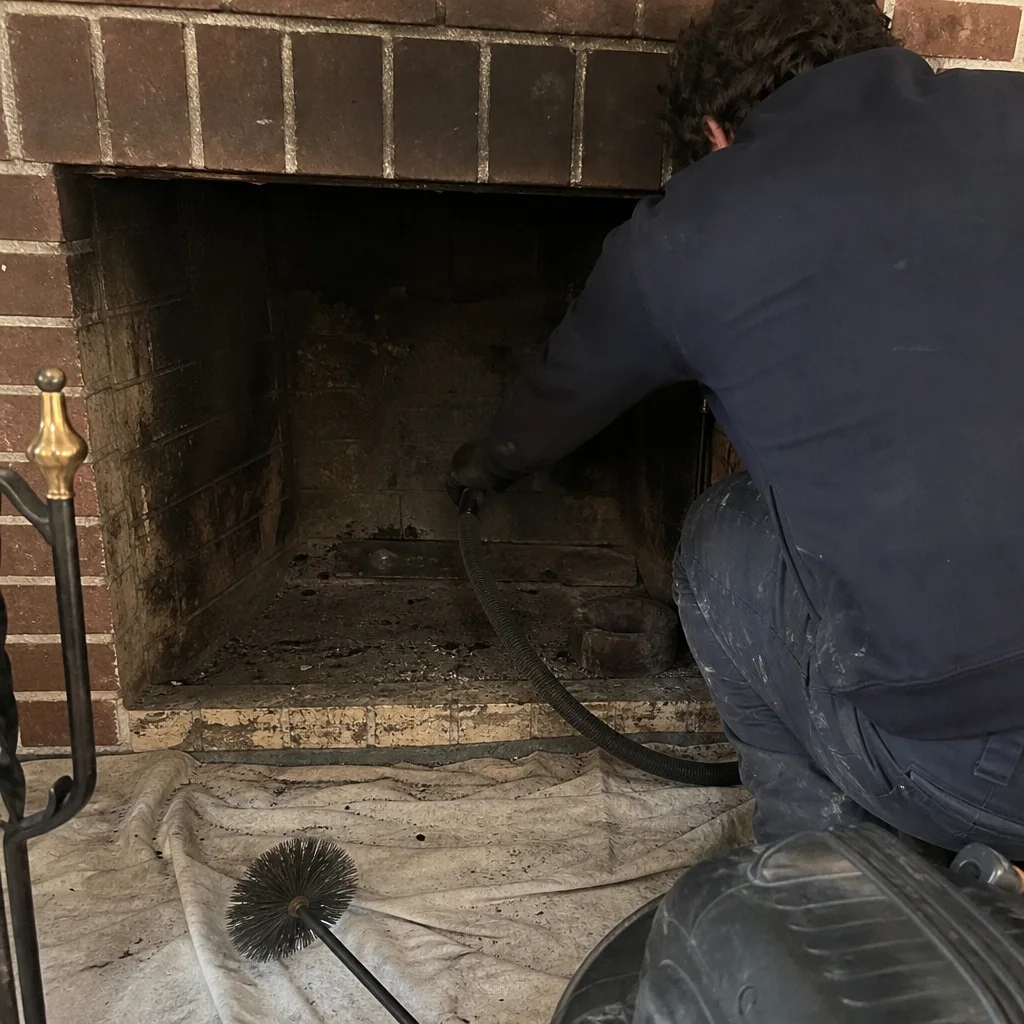 Before
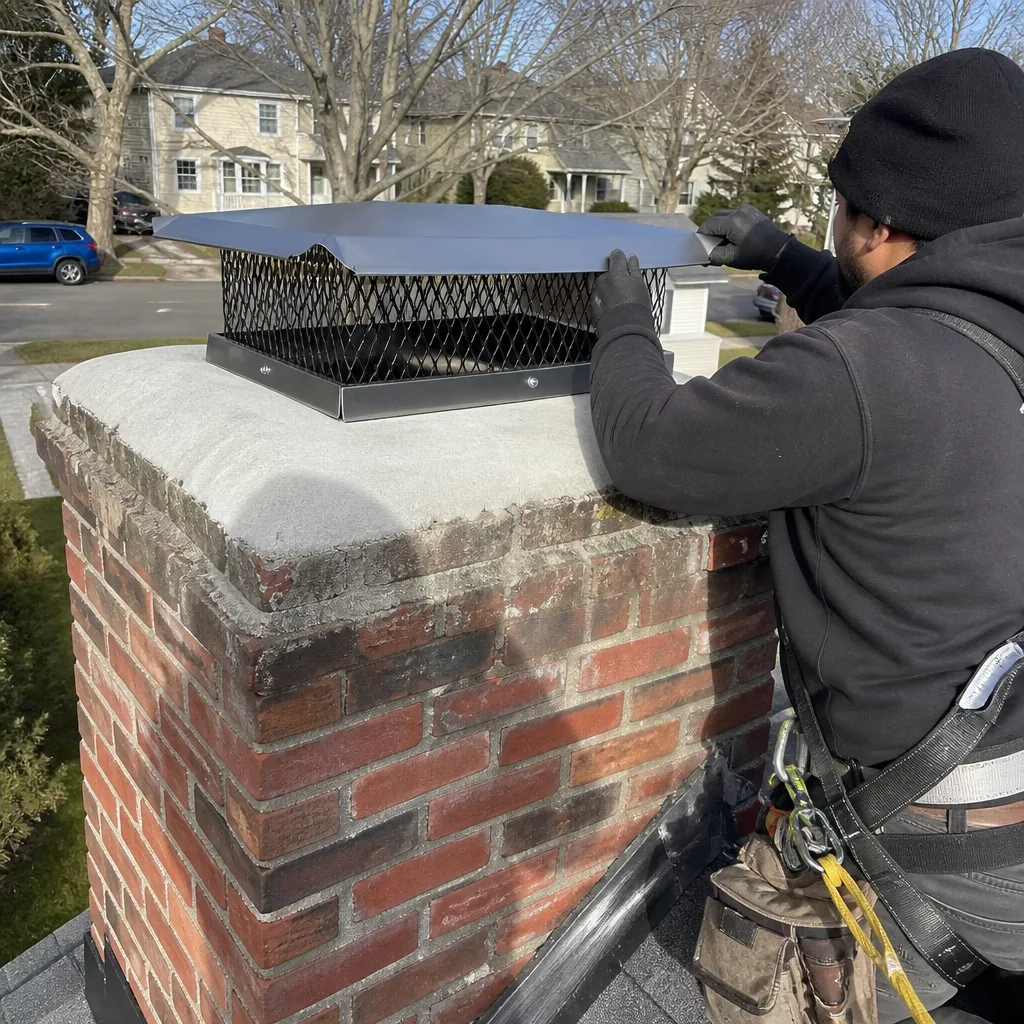 After
After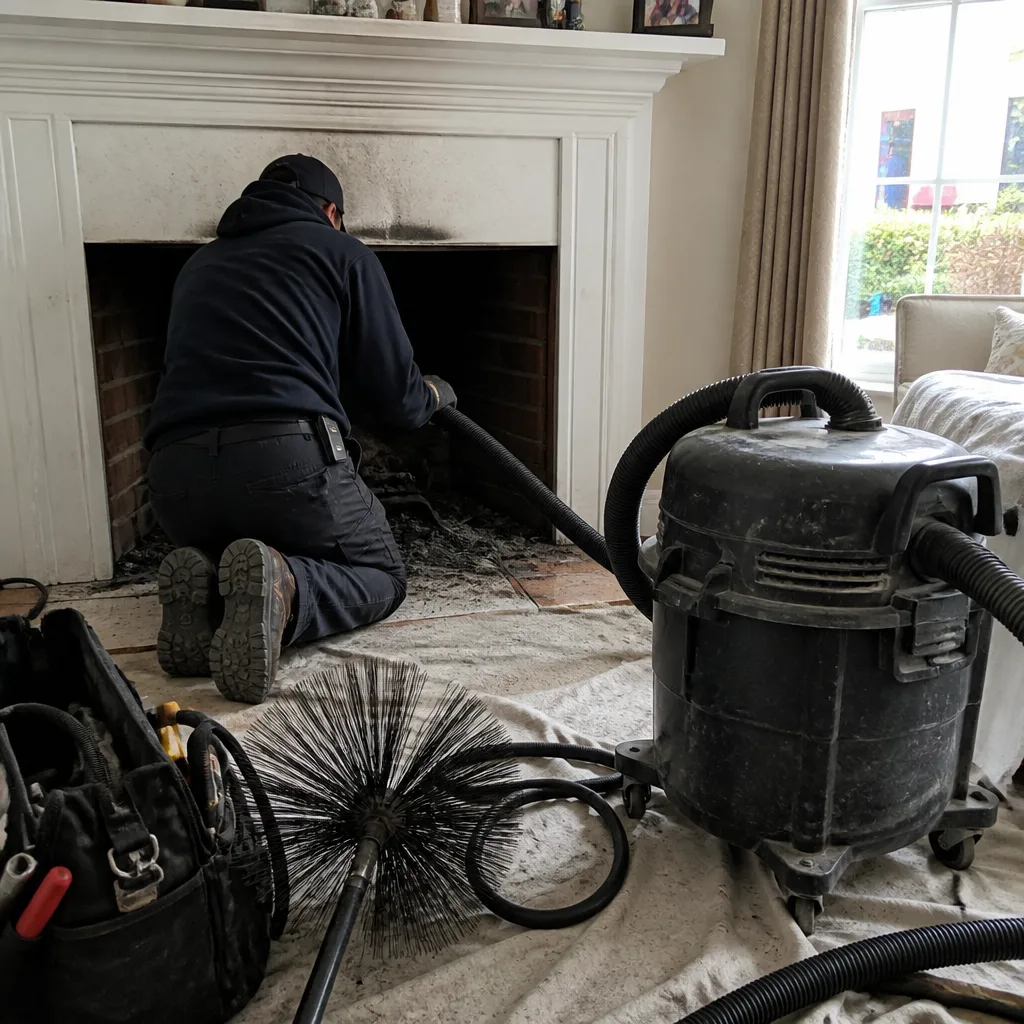 Before
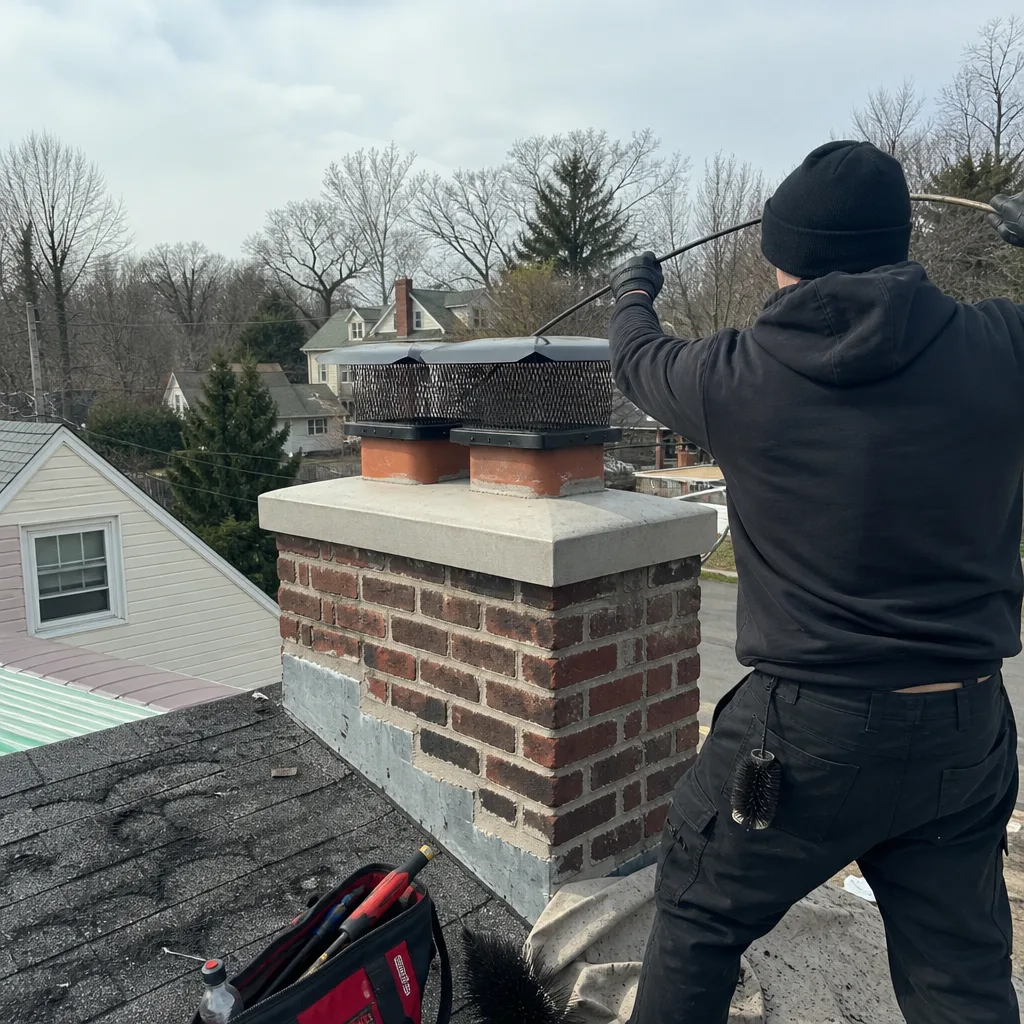 After
After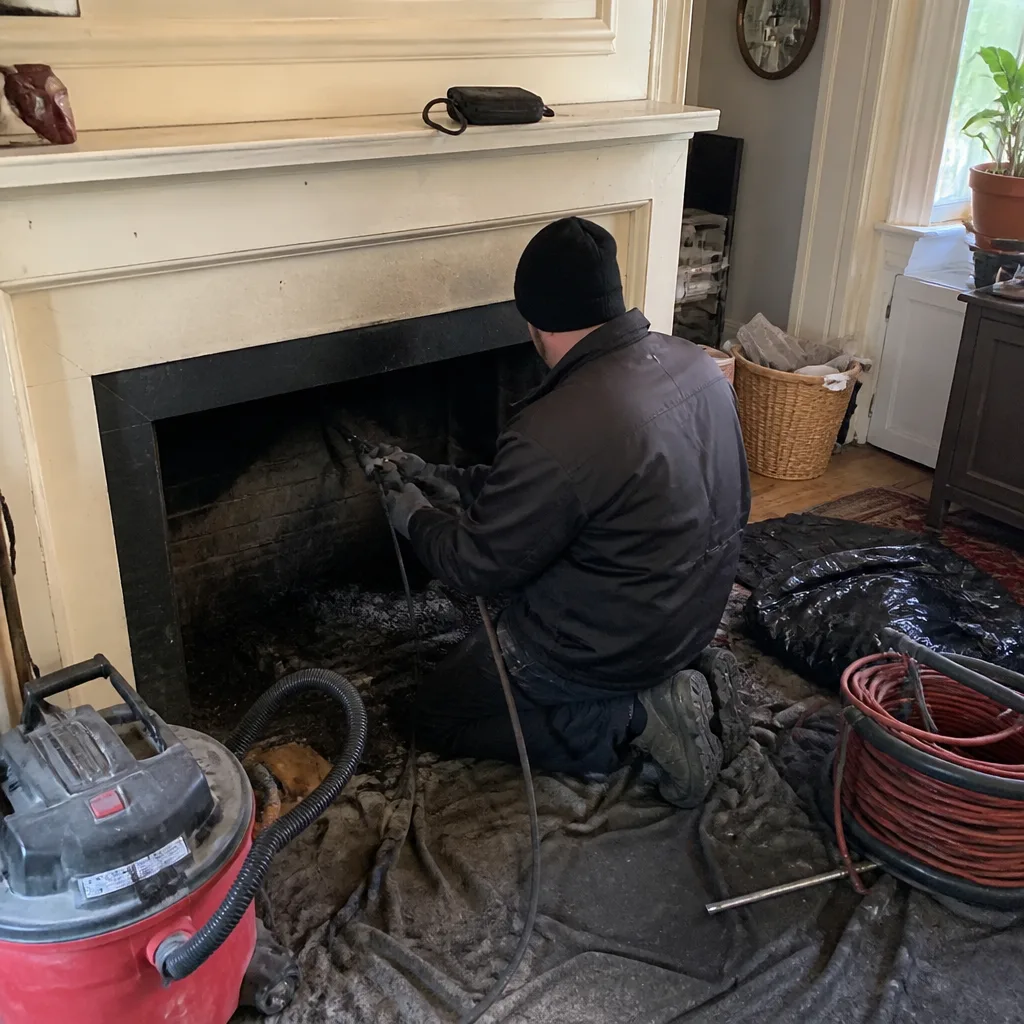 Before
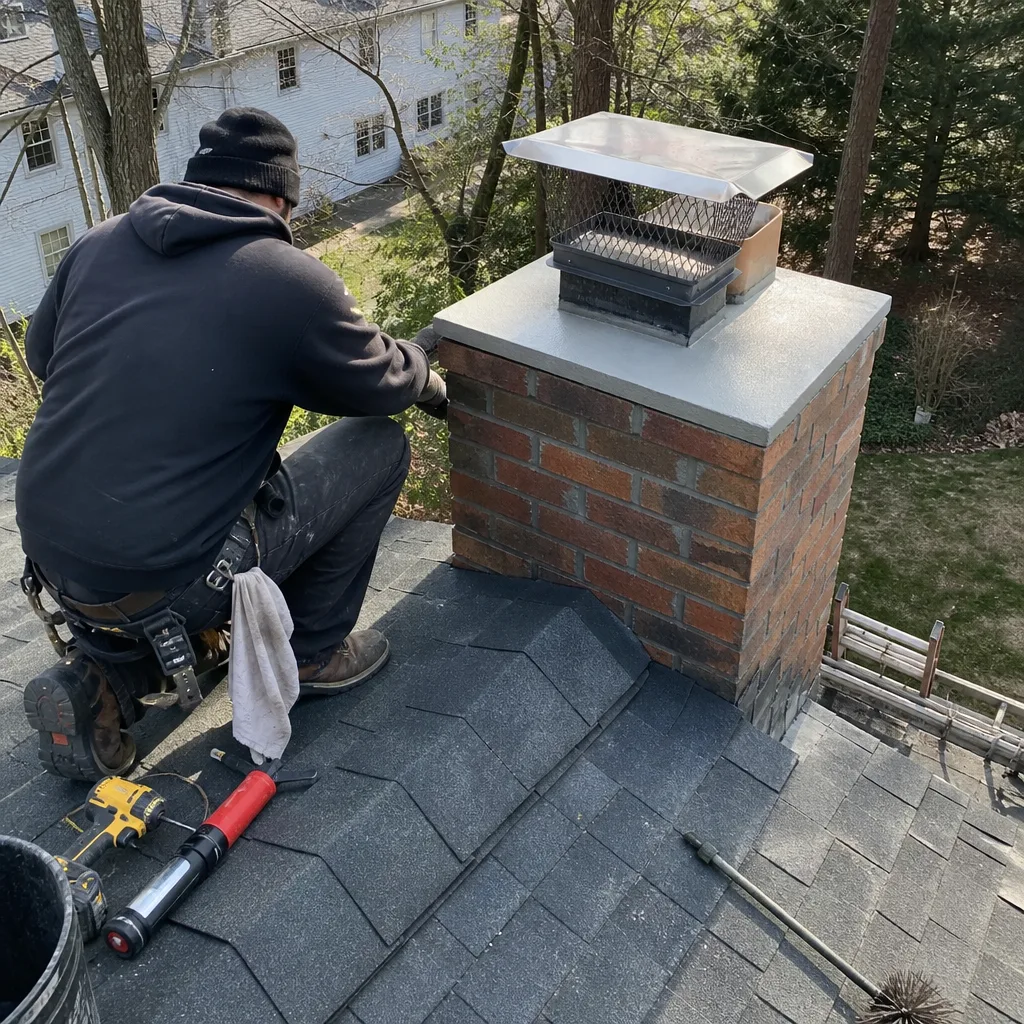 After
AfterChimney Cleaning Warning Signs: A White Plains Homeowner’s Reference Guide
A white stain on the outside of a chimney looks minor. It’s called efflorescence, and it means water is moving through your masonry - which means your flue liner may already be compromised behind a wall you can’t see. Most chimney warning signs give homeowners multiple chances to catch a problem before it becomes dangerous, but only if you know what you’re actually looking at. This reference guide translates what chimneys show you into plain English, organized by where you’ll see it, not by how alarming it sounds. For more guides & resources on keeping your chimney safe year-round, explore our blog. Whether you live in a 1920s Tudor off North Street or a postwar ranch near Gedney Park, these are the signals your chimney sends from inside the house, from the yard, and from the sounds it makes when something isn’t right.
Quick Answer
The most important chimney warning signs for White Plains homeowners are: smoke rolling back into the room (indicating blockage or damper failure), white or green staining on exterior masonry (water intrusion and possible liner damage), a persistent tar-like odor (creosote buildup approaching combustion risk), and any new draft or whistling sound (structural gaps or animal intrusion). These signs appear in stages - some allow weeks to schedule, others mean stop using the fireplace until a sweep inspects it. For a deeper look at what happens during that inspection, see The Complete Guide to Chimney Cleaning in White Plains.
Table of Contents
- Signs Visible From Inside Your House
- Signs Visible From the Roofline or Yard
- Sounds, Drafts, and What They Mean
- Cosmetic Staining vs. Structural Warning Signs
- A Triage Framework: When to Act
- How White Plains Climate Affects Your Chimney
- Common Mistakes to Avoid
- When to Call a Professional
- Frequently Asked Questions
Signs Visible From Inside Your House
The fireplace and the room around it are where you spend your time, so these signs are the ones homeowners notice first - and often misread. Understanding what each signal actually means keeps you from either panicking unnecessarily or missing a real hazard.
Smoke Rollback: Beyond the Closed Damper
Smoke entering the room is the sign that gets the most urgent phone calls, and it’s the one with the most possible causes. A closed or stuck damper is the obvious culprit, but it’s far from the only one.
In our experience across White Plains, smoke rollback during a fire typically traces to one of five conditions:
- Negative pressure in the house. Modern homes are tighter than the houses built in White Plains before 1980. Kitchen exhaust fans, bathroom vents, and even tightly sealed windows can create enough negative pressure to pull smoke down the flue instead of letting it rise. The fix is often mechanical - a makeup air solution - not a chimney repair.
- Flue blockage. Bird nests, squirrel caches, or collapsed liner sections can obstruct the flue. A Level-2 camera inspection reveals this without guesswork.
- Improper fire building. Cold flues, especially in unlined exterior chimneys common in the Gedney Farms and Fisher Hill areas, need pre-warming. A small kindling fire at the flue base for several minutes establishes draft before adding larger fuel.
- Damper failure. Throat dampers corrode and warp. Top-sealing dampers with stainless steel cables, like those from Famco, eliminate this failure point entirely.
- Wrong flue size for the appliance. This is common when homeowners install a wood insert into a fireplace originally built for open burning. The flue is too large for the reduced exhaust volume, so smoke stalls.
The key distinction: if smoke rollback happens only on windy days, the problem is pressure or draft, not blockage. If it happens every time you light a fire, you need an inspection before the next burn.
Odor Profiles: What Your Nose Knows
Chimney odors are specific, and learning to distinguish them saves you from unnecessary worry and points you to the right solution.
- Tar or asphalt smell, especially in summer heat: This is creosote buildup. The smell intensifies when humidity rises because creosote is hygroscopic - it absorbs moisture and releases odor. In White Plains, we see this spike during July and August when basements and first floors draw air down the chimney as the house breathes. This odor means your flue has enough deposit to warrant sweeping before the next burning season. It also means the deposit could ignite if a stray spark reaches it.
- Musty, earthy, or damp concrete smell: Water intrusion. You’re smelling wet masonry, possibly mold in the smoke chamber, or decay in a deteriorating clay liner. This requires locating the water entry point - crown, flashing, or porous brick - and addressing it before freeze-thaw damage accelerates.
- Ammonia or sharp urine smell: Animal presence. Raccoons, squirrels, and chimney swifts are common in White Plains neighborhoods with mature trees. The smell is unmistakable and means an active or recent nesting. Do not attempt to smoke out animals - call for humane removal and a cap installation with proper screening.
- Metallic or sooty smell with no visible smoke: Often indicates a backdraft from a connected furnace flue or water heater, especially in older homes with shared chimney structures. This is a carbon monoxide risk and needs immediate professional evaluation.
Visual Clues Inside the Firebox
Look at the back wall of your fireplace and the firebrick lining. Spalling - flaking or crumbling of the brick surface - means moisture is migrating through from the outside. In White Plains, where we average 47 inches of annual precipitation and temperature swings from single digits to the 90s, freeze-thaw cycles destroy firebrick from behind. The face looks fine until it doesn’t.
Staining patterns matter too. Brown or black streaks running down from the smoke shelf indicate creosote dripping, which happens when buildup becomes thick enough to liquefy during hot fires. White, powdery deposits on firebrick are efflorescence - the same salt migration you see outside - and mean water is finding a path through the masonry.
Signs Visible From the Roofline or Yard
You don’t need to climb anything to read these signs. A pair of binoculars and a walk around your property tell most of the story.
Crack Patterns on the Chimney Crown
The crown is the concrete cap that seals the top of your chimney, and its cracks are a diagnostic language. We’ve learned to read them over 42 years in this trade.
Hairline cracks running parallel to the flue tile: Normal thermal expansion. These widen and narrow with seasons and don’t yet threaten the structure. Seal with a flexible crown coat product like HeatShield to prevent water entry.
Radial cracks spreading from the flue tile like spokes: Thermal shock damage. This happens when a flue liner crack allows hot gases to contact the crown concrete directly, or when an unlined chimney experiences a chimney fire that superheats the crown from below. The crown is compromised and needs rebuilding or resurfacing.
Cracks separating the crown from the brick course below: Structural movement. The chimney is settling independently of the house, or freeze-thaw has destroyed the bond. This gap allows direct water entry into the wall cavity and needs immediate attention.
Missing chunks or spalled surface: Advanced deterioration. The crown is no longer protecting anything. Water is entering the chimney core every time it rains.
Mortar Joint Recession: Reading From Ground Level
Stand at the corner of your property and sight up the chimney face. You’re looking for three things:
- Recessed or missing mortar. Joints that have eroded more than a quarter-inch below the brick face are called “raked” joints. They collect water instead of shedding it. In White Plains, where driving rain comes from the southeast off Long Island Sound, the southeast face of chimneys deteriorates fastest.
- White or gray staining below joints. This is efflorescence from water leaching through the mortar. It means the joint is porous enough to transmit water, even if it looks intact.
- Vertical alignment. A chimney that leans, even slightly, is experiencing foundation failure or structural separation. The lean itself is a warning sign, but so are the stress cracks that open on the opposite face as the chimney pulls away from the house.
In the Battle Hill and Prospect Park neighborhoods, we’ve seen accelerated mortar deterioration in chimneys built with soft, porous brick common to 1940s and 1950s construction. These chimneys need more frequent pointing - tuckpointing with compatible mortar, not surface caulking - to survive our wet freeze-thaw cycles.
Flashing and Metal Components
The intersection where your chimney penetrates the roof is the most leak-prone point on most houses. From the ground, look for:
- Rusted or lifted flashing edges. Step flashing that has pulled away from the brick, or counterflashing with corroded sealant joints, allows water to run directly into the roof deck and wall framing. The rust itself is information: galvanized steel flashing rusts from the edge inward, while copper develops a green patina that doesn’t compromise function. If you see active orange rust on flashing less than 15 years old, the material was likely too thin for the application.
- Missing or damaged chimney cap. A cap with a missing side screen, a rusted base, or no cap at all leaves the flue open to rain, animals, and debris. Copperfield and Famco caps with stainless steel mesh last decades in our climate; cheap galvanized versions fail in five to seven years.
- Staining on the roof below the chimney. Dark streaks or green algae growth concentrated below the chimney indicate chronic water runoff from crown or flashing failure.
Sounds, Drafts, and What They Mean
Chimneys speak in sounds that experienced sweeps learn to interpret. Homeowners can learn the basics.
The Banging Damper
A damper that bangs or rattles when closed, especially during wind, has lost its tension or its pivot pins have corroded. More seriously, it can indicate that the damper frame has pulled away from the firebox throat, creating a gap that leaks conditioned air year-round and admits cold downdrafts. In White Plains homes with original throat dampers from the 1960s and 1970s, we’ve found this condition in roughly one of three inspections. A top-sealing damper eliminates the problem entirely and improves energy efficiency.
The Whistling Flue
High-pitched whistling during wind means air is being forced through a restricted opening. Possible causes:
- Partially closed or stuck damper with a small gap
- Cracked flue liner creating a narrow passage
- Animal partial blockage that leaves a small opening
- Improperly sized chimney cap that creates a venturi effect
The pitch and consistency tell part of the story. A steady whistle on windy days that stops when the wind does points to cap or damper geometry. A whistle that starts suddenly and persists regardless of wind suggests a new obstruction or liner damage.
Smoke Puff During a Gust
A brief puff of smoke into the room when a strong gust hits is often normal - the wind is pressurizing the flue top and overcoming the rising draft. But if this happens repeatedly, or with moderate winds, it indicates:
- Inadequate flue height. The chimney may be too short for the roof configuration, a common issue in one-story additions where the original chimney was not extended.
- Nearby trees or structures creating turbulence. White Plains’ mature oak canopy, beautiful as it is, can create downdraft zones that didn’t exist when the chimney was built.
- Weakened draft from flue damage. A liner with gaps or a flue with significant creosote buildup can’t maintain adequate draw under pressure.
The Cold Hearth Even When the Damper Is Closed
If your fireplace area is noticeably cold in winter despite a closed damper, you have an air leak. The damper isn’t sealing, or there’s a gap in the firebox construction, or the cleanout door in the basement is open or missing. This isn’t just discomfort - it’s heated air escaping your house continuously. We’ve measured temperature differentials of 15 degrees between fireplace areas and adjacent rooms in White Plains homes with this condition.
Cosmetic Staining vs. Structural Warning Signs
Not every mark on your chimney means catastrophe. Learning the difference protects you from both unnecessary anxiety and from dismissing a real problem.
Truly Cosmetic: What You Can Monitor
Light, patchy efflorescence on new construction or recent pointing: Salt bloom from curing mortar or fresh masonry. It brushes off and doesn’t return after the first season.
Darkening of brick from age and pollution: White Plains chimneys, especially those near the Metro-North corridor or I-287, accumulate airborne particulates. This doesn’t affect function and can be cleaned if desired.
Minor algae or mildew on shaded north faces: Unsightly but not structurally significant. Gentle cleaning with appropriate solutions addresses it.
Structural: When Staining Means Action
Heavy, recurring efflorescence with powder buildup: Active water movement through the wall. The salts are being dissolved and redeposited continuously, which means water is moving continuously. Behind this staining, mortar is softening and freeze-thaw damage is accelerating.
Green or black staining with vegetation growth: Chronic moisture sufficient to support biological growth. This indicates a failure of the crown, cap, or flashing that has been ongoing for multiple seasons.
Staining that tracks a pattern: Vertical streaks from a point source (flashing gap, crown crack) or horizontal bands at a construction joint mean water is finding a specific path and exploiting it.
The critical distinction: cosmetic staining is static or slowly changing. Structural staining is progressive and usually accelerating. Take dated photos from the same vantage point season to season. If the pattern is growing, the underlying condition is worsening.
Before any work is recommended, our chimney cleaning and sweep service in White Plains includes a Level-2 camera inspection with photos you can see and a plain-English verdict. We’ve documented chimneys where the exterior looked concerning but the interior was sound, and others where pristine brick hid liner collapse. Photos end the guessing.
A Triage Framework: When to Act
Not every warning sign demands the same response. This framework, developed from thousands of White Plains inspections, helps you calibrate your urgency.
Schedule When Convenient: Monitor and Plan
- Light, non-recurring efflorescence with no other symptoms
- Minor mortar recession without water entry evidence
- Occasional odor in peak summer humidity, quickly dissipating
- Single smoke puff during unusual wind event, not repeated
These conditions warrant inclusion in your next scheduled maintenance but don’t require an emergency call. Book a standard inspection during the off-season - spring or summer - when scheduling is flexible.
Call This Week: Active Problems Requiring Attention
- Recurring smoke rollback, even if intermittent
- Persistent odor, especially tar-like or musty
- Visible crack progression in crown or brick
- New draft anomalies or sounds
- Any staining that is worsening between seasons
These conditions are causing ongoing damage or present a developing hazard. A Level-2 inspection with camera documentation determines the scope and sequencing of repairs.
Do Not Use Until Inspected: Immediate Safety Concerns
- Smoke entering the room with every fire, regardless of conditions
- Visible flames or glowing material in any part of the chimney exterior
- Loose or shifting brick, or any lean in the chimney structure
- Carbon monoxide detector activation near the fireplace
- Evidence of previous chimney fire (warped metal, discolored mortar, cracked flue tile visible from below)
These are not “wait and see” conditions. The risk of fire, carbon monoxide exposure, or structural failure outweighs any convenience of delaying. Our phones are staffed by a live person 24 hours a day, 7 days a week - call (914) 603-1360 and we’ll prioritize an emergency inspection.
How White Plains Climate Affects Your Chimney
Westchester County’s climate is harder on chimneys than many homeowners recognize. Our specific conditions create failure modes that don’t apply in drier or more stable climates.
Freeze-thaw cycles: White Plains averages 25 freeze-thaw events annually - days when temperatures cross 32 degrees. Each cycle, water in masonry expands about 9 percent. Over a decade, that’s 250 expansion cycles. No masonry material survives that indefinitely without proper water management. Crown sealants, proper flashing, and breathable waterproofing treatments are not luxuries here - they’re necessities.
Driving rain from the southeast: Our prevailing storm track brings moisture from Long Island Sound, directly impacting southeast-facing chimney surfaces. Homes in the Rosedale and Soundview areas experience this most acutely. Chimneys need caps with adequate overhang and drip edges on this exposure.
Humid summers and air-conditioned interiors: The temperature differential between a 72-degree house and 90-degree humid exterior air creates condensation potential in flues, especially those serving basement appliances. This summer moisture accelerates corrosion of metal components and saturation of masonry.
Mature canopy and wildlife pressure: White Plains’ tree cover, one of its great amenities, means constant wildlife pressure. Squirrels, raccoons, and chimney swifts regard an uncapped flue as habitat. Annual inspection catches intrusion before nesting begins.
For chimney repair in White Plains, we specify materials rated for our specific climate exposure - not generic national products, but formulations tested in Northeast freeze-thaw conditions.
Common Mistakes to Avoid
- Assuming a gas fireplace means no maintenance needed. Gas appliances produce corrosive condensation and can block flues with deteriorated liner debris. They need annual inspection, just as wood systems do.
- Using the fireplace “just once more” after noticing smoke problems. Every fire with impaired draft increases creosote deposition and carbon monoxide risk. The cost of an inspection is trivial compared to the cost of a fire or hospitalization.
- Trusting a chimney sweep who won’t show you photos. If a sweep recommends thousands in liner or masonry work without camera documentation you can see, get a second opinion. Our Hearthstone Chimney Co. home page explains our documentation standard.
- Installing a cheap cap from a hardware store. The $89 galvanized cap fails in our climate in five years and often lacks proper screening mesh. Stainless steel caps from quality manufacturers outlast multiple roofs.
- Ignoring odors because “it’s just summer humidity.” Persistent odor is information. Dismissing it delays addressing creosote buildup or water intrusion that is actively damaging your system.
- Waiting for “burning season” to schedule maintenance. By October, every reputable sweep in Westchester is booked weeks out. Spring and summer scheduling means thorough work without urgency premium pricing.
- Hiring based on the lowest quote for masonry repair. Tuckpointing with incompatible mortar (too hard or too soft) accelerates damage to original brick. We specify mortar matched to the original formulation and brick hardness.
When to Call a Professional
Call when warning signs are new, worsening, or unclear. The purpose of a professional inspection is not to sell you work - it’s to give you information you can’t get from the ground, with documentation you can reference.
Specifically: call if you’ve noticed any change in your chimney’s behavior from previous years, if you’re buying a home and the chimney hasn’t been inspected in the sale process, if you’ve had a chimney fire (even a small one), or if your last inspection was more than 12 months ago. In White Plains, where our climate accelerates wear, annual inspection is the standard for active fireplaces and every two years for vented gas systems.
Hearthstone Chimney Co. offers free estimates in White Plains - call (914) 603-1360. A live person answers every call, 24 hours a day, 7 days a week. Our background-checked, uniformed technicians complete most jobs in a single visit, with no-hassle upfront pricing: the number on the estimate is the number on the invoice. Every inspection includes a Level-2 camera evaluation with photos you can see and a plain-English verdict. Nothing is recommended without evidence you can evaluate yourself.
Frequently Asked Questions
A standard chimney sweep and Level-1 inspection in White Plains typically ranges from $200 to $350, depending on accessibility, the type of appliance, and whether creosote buildup requires additional treatment. A Level-2 inspection with camera documentation, recommended when warning signs are present or for real estate transactions, runs $350 to $500. Hearthstone’s $89 Seasonal Tune-Up covers basic cleaning and safety check for qualifying systems during spring and summer scheduling. Call (914) 603-1360 for an exact quote - estimates are free.
You need a new liner when the existing one is cracked, deteriorated, or improperly sized for your appliance - and only when camera inspection confirms this condition. We’ve inspected chimneys where homeowners were told they needed a $3,000 liner replacement, but the clay tile was intact and properly sized. We’ve also found clay tiles with dangerous gap cracks hidden from view. The difference is documentation. At Hearthstone, no liner work is recommended without photos you can see and a plain-English explanation of why it matters. If you’ve received a liner recommendation elsewhere, our Free Second Opinion on any written estimate gives you that documentation at no charge.
The National Fire Protection Association recommends annual inspection for all chimney systems, with sweeping as needed based on deposit accumulation. For wood-burning fireplaces used regularly in White Plains, annual sweeping is typical due to our burning season length and the creosote potential of our common hardwoods (oak, maple, hickory). Gas systems need annual inspection but may only need sweeping every two to three years unless deterioration produces debris. Oil flues require annual cleaning due to soot production. The specific frequency for your system depends on use patterns, fuel type, and appliance efficiency - determined at inspection, not assumed.
Skipped maintenance leads to progressive, predictable deterioration. Creosote accumulates to combustion-ready thickness - a quarter-inch or more - creating chimney fire risk. Water intrusion through unmaintained crowns and flashing destroys mortar, loosens brick, and rusts metal components. Liner cracks allow heat and combustion gases into wall cavities, creating fire and carbon monoxide hazards. In White Plains, where freeze-thaw cycles are severe, the damage accelerates geometrically: a small crown crack in year one becomes major masonry reconstruction by year five. The cost difference between annual maintenance and deferred repair is typically five to tenfold. Call (914) 603-1360 to schedule before small problems become large ones.
You can and should observe the warning signs this guide describes - they’re your first alert system. But you cannot safely evaluate the flue interior, the smoke chamber, or the attic-side chimney structure without proper equipment and training. Chimney flues are confined spaces with toxic deposit exposure, and roof access involves fall risk. A professional Level-2 inspection uses specialized cameras to document conditions you cannot see, and the evaluation includes code compliance and clearance verification that requires training. Observe actively from the ground, but verify with a professional before making safety decisions.
A chimney fire is the combustion of creosote deposits inside the flue, typically reaching 2,000 degrees or more. Signs include a loud roaring or cracking sound, dense smoke, a hot or glowing chimney exterior, or flames visible at the chimney top. Some chimney fires are dramatic and unmistakable; others are slow-burning and may go unnoticed. After any suspected fire, the chimney must be inspected before reuse because the intense heat cracks flue liners, damages mortar, and can ignite adjacent framing through heat transfer. If you suspect a past chimney fire, schedule an inspection - don’t guess about structural integrity.
Yes. White Plains follows the New York State Uniform Fire Prevention and Building Code, with specific amendments for Westchester County. Key provisions include: chimney height requirements relative to roof peaks and adjacent structures; liner sizing mandated by appliance type and BTU output; clearance to combustibles (typically two inches for masonry, as specified for listed systems); and permit requirements for structural chimney repairs and liner replacements. Hearthstone technicians are familiar with White Plains permit requirements and coordinate filings when needed. Work performed without required permits can complicate home sales and insurance claims - another reason to hire established professionals rather than transient operators.
The Bottom Line
Your chimney communicates through stains, sounds, smells, and drafts. The signs are there for homeowners who know what to observe - and they’re progressive, giving you multiple opportunities to intervene before conditions become dangerous or expensive. Organize your observations by where you encounter them: inside the house, from the yard, or through changes in performance. Distinguish cosmetic concerns from structural warnings using the progression test. Apply the triage framework to calibrate your response. And remember that in White Plains’ demanding climate, annual professional inspection with camera documentation is the standard that prevents surprises.
Done right - and we stand behind it. That’s the Keystone Standard we’ve operated by since 1984.
Written by Russell Haines, Owner at Hearthstone Chimney Co., serving White Plains since 2014.