
Last updated September 10, 2026
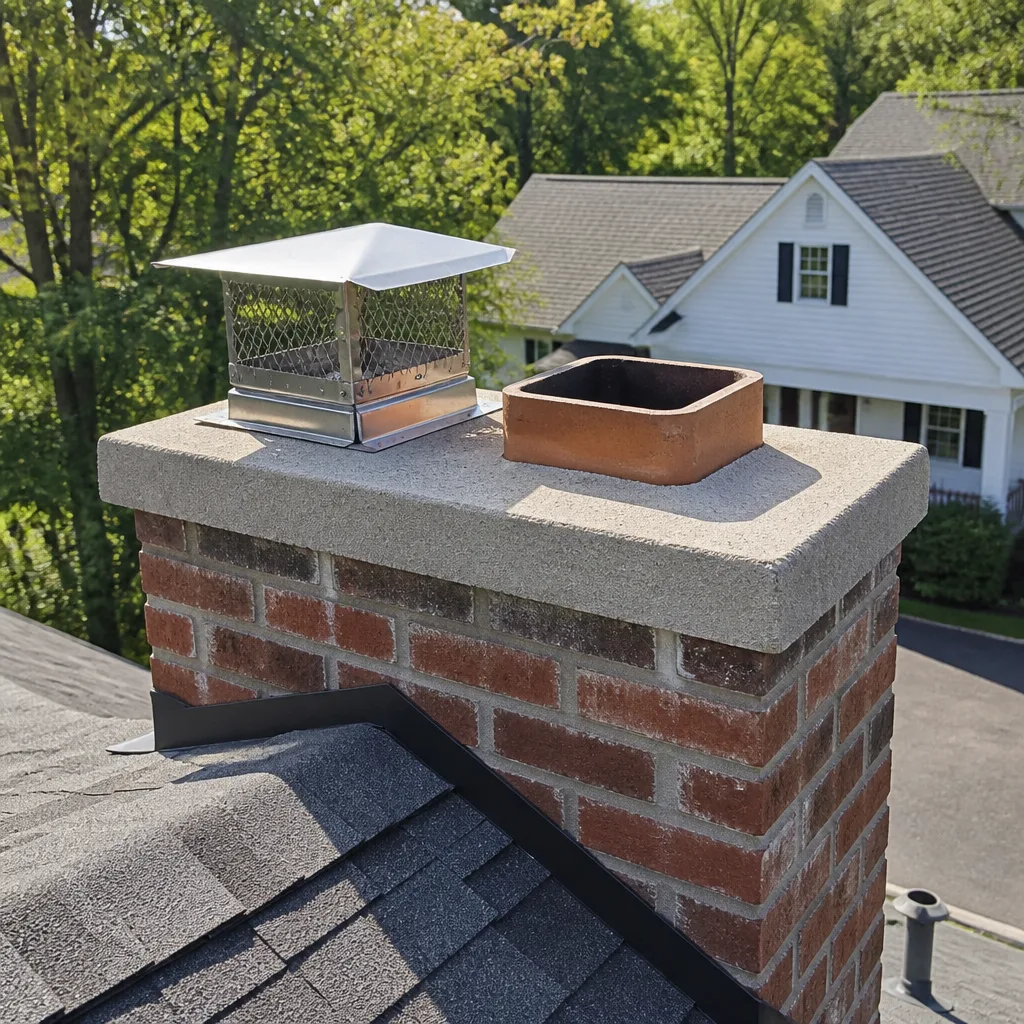
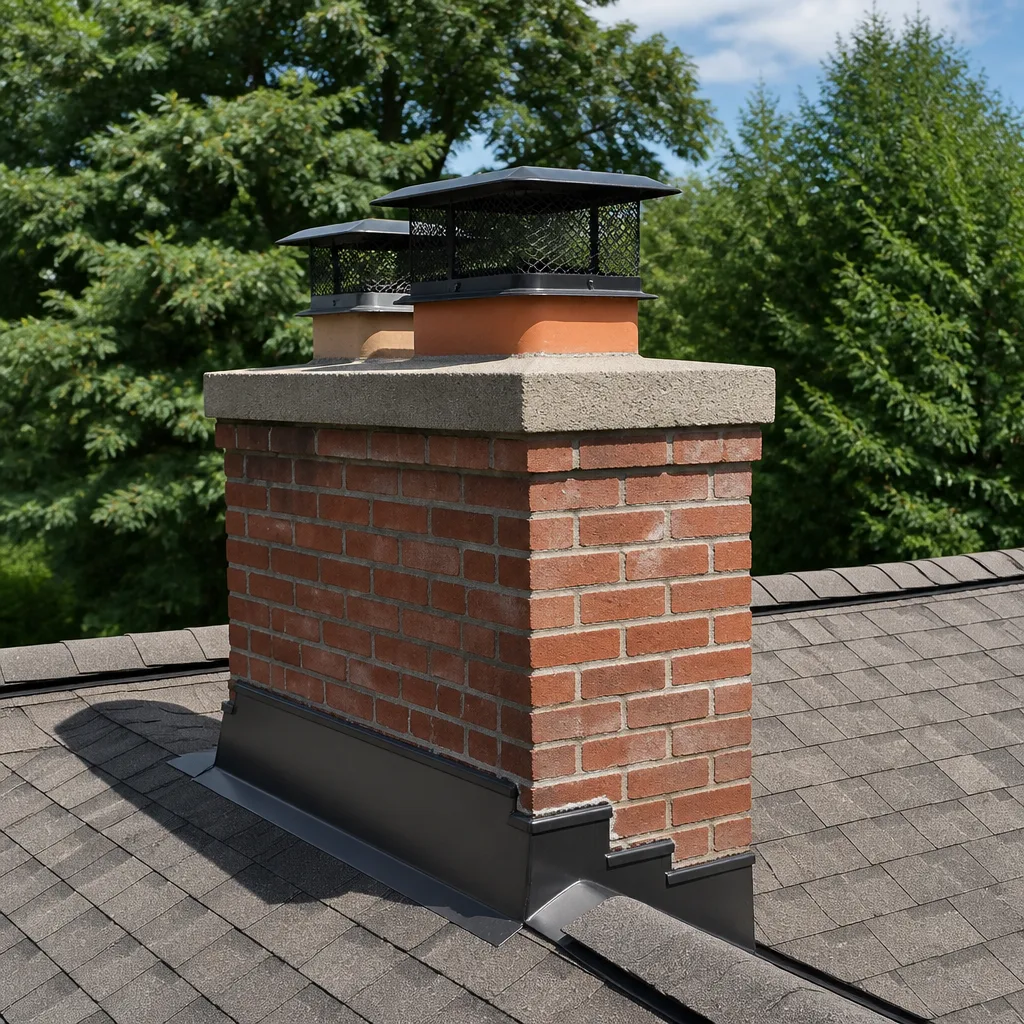
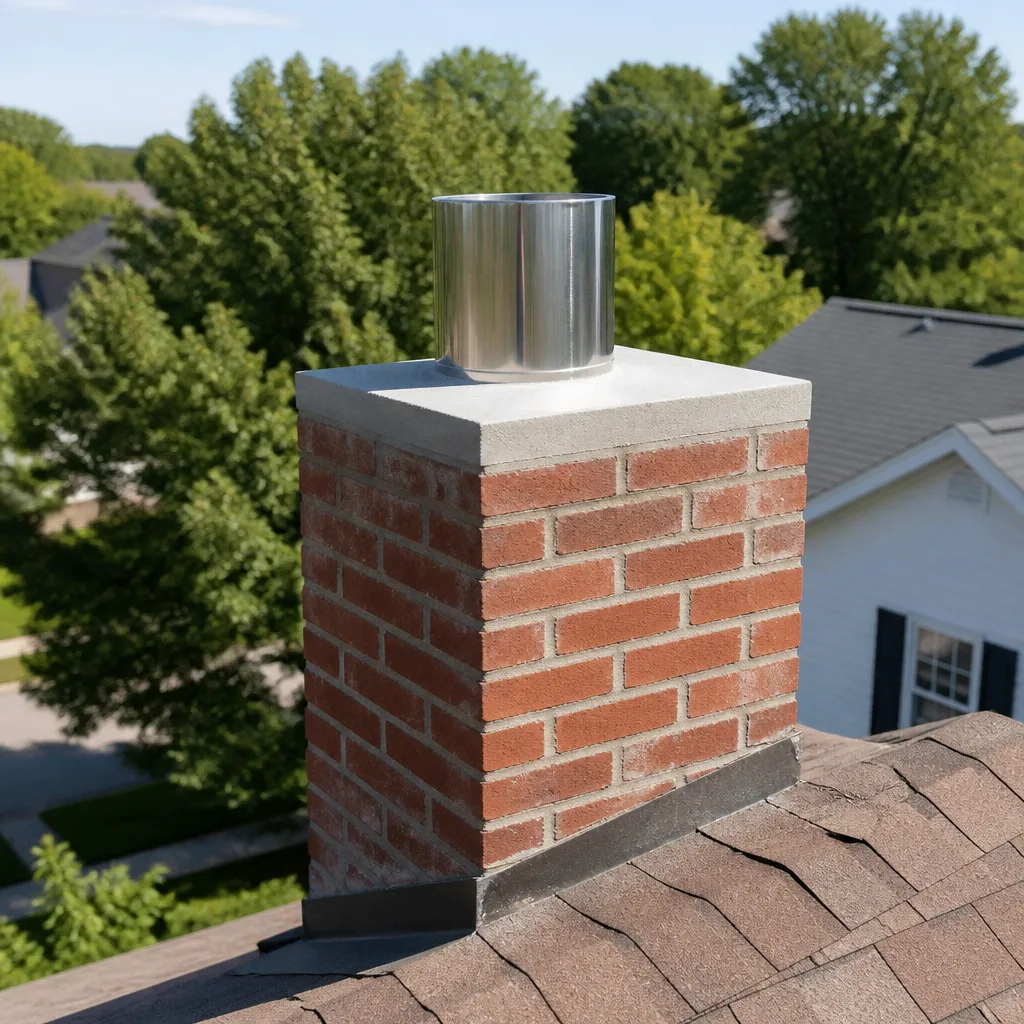
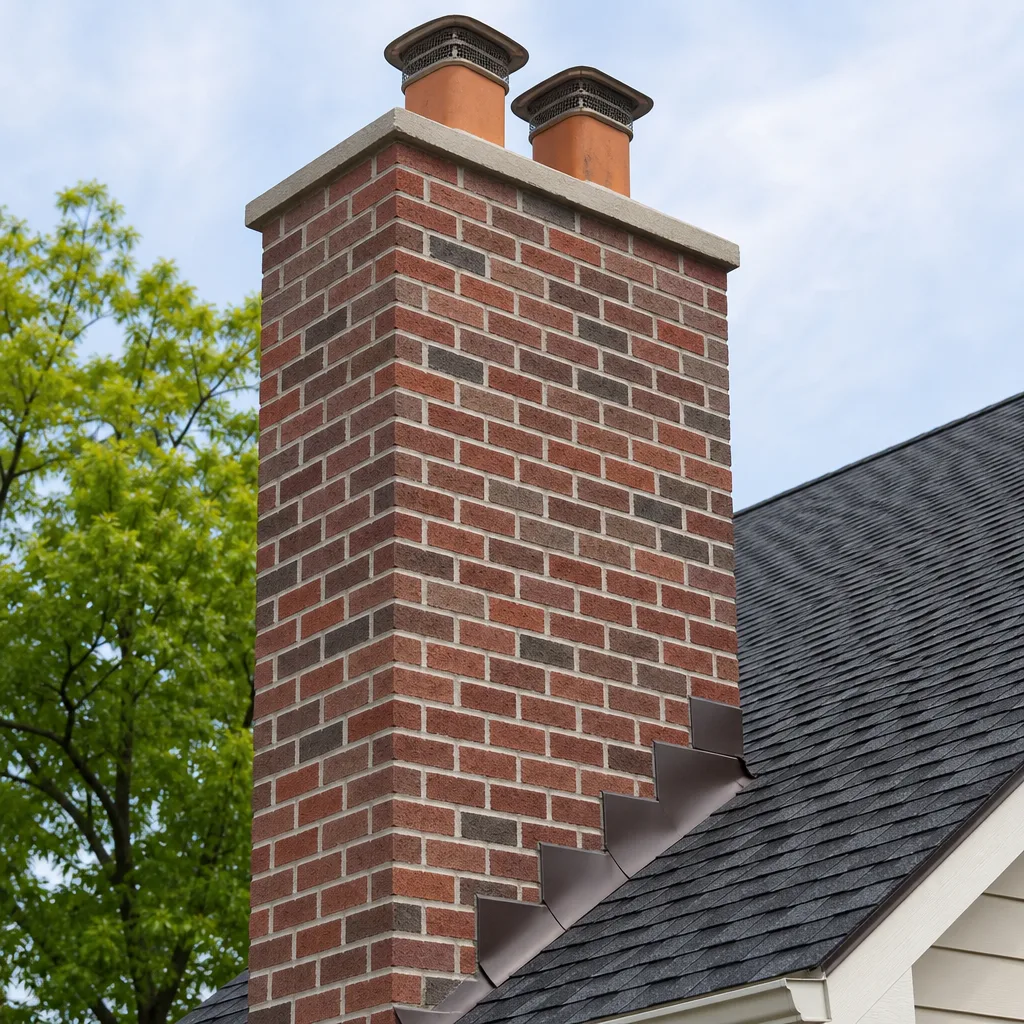
Level 1 sweep and inspection to the NFPA 211 annual standard - flue, crown, cap, and flashing checked and photographed
Chimney sweep logs do not sweep chimneys. They loosen some creosote - which then falls where a brush and vacuum still have to collect it.
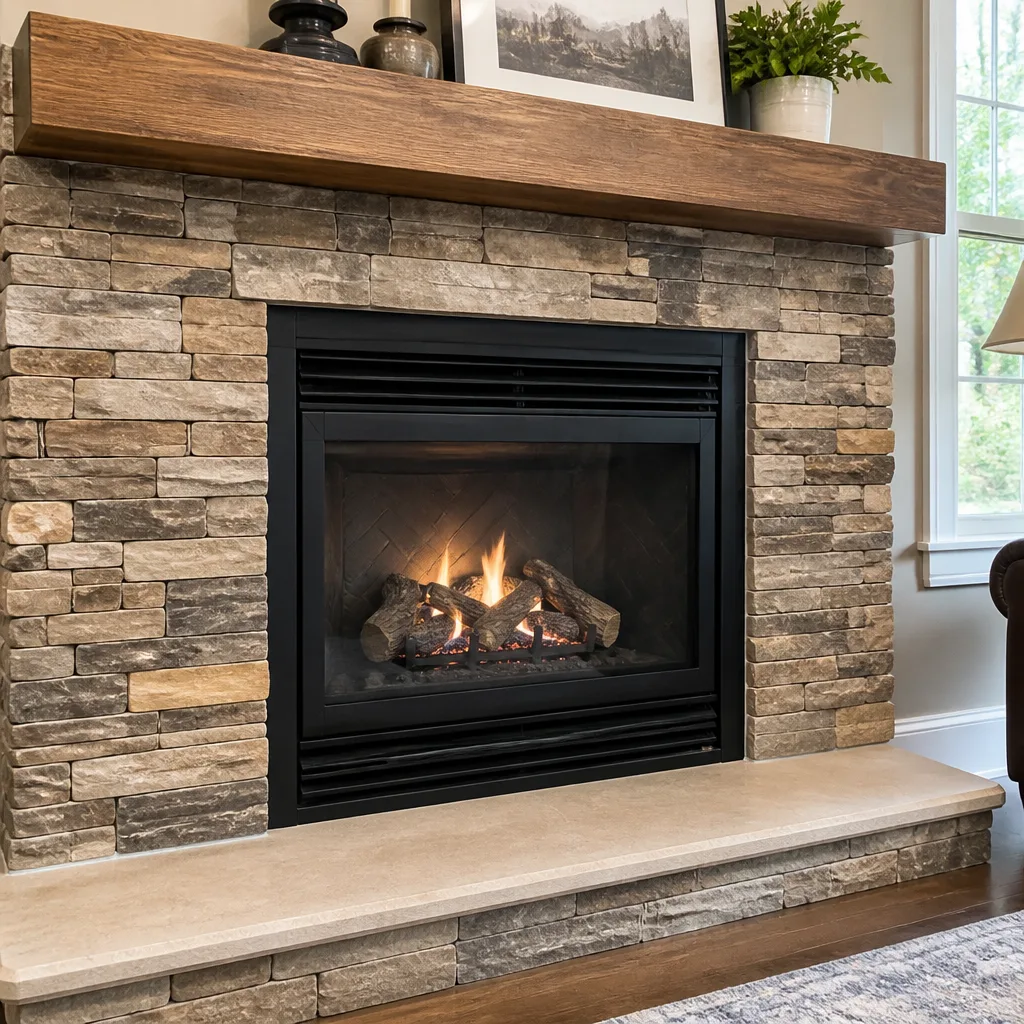
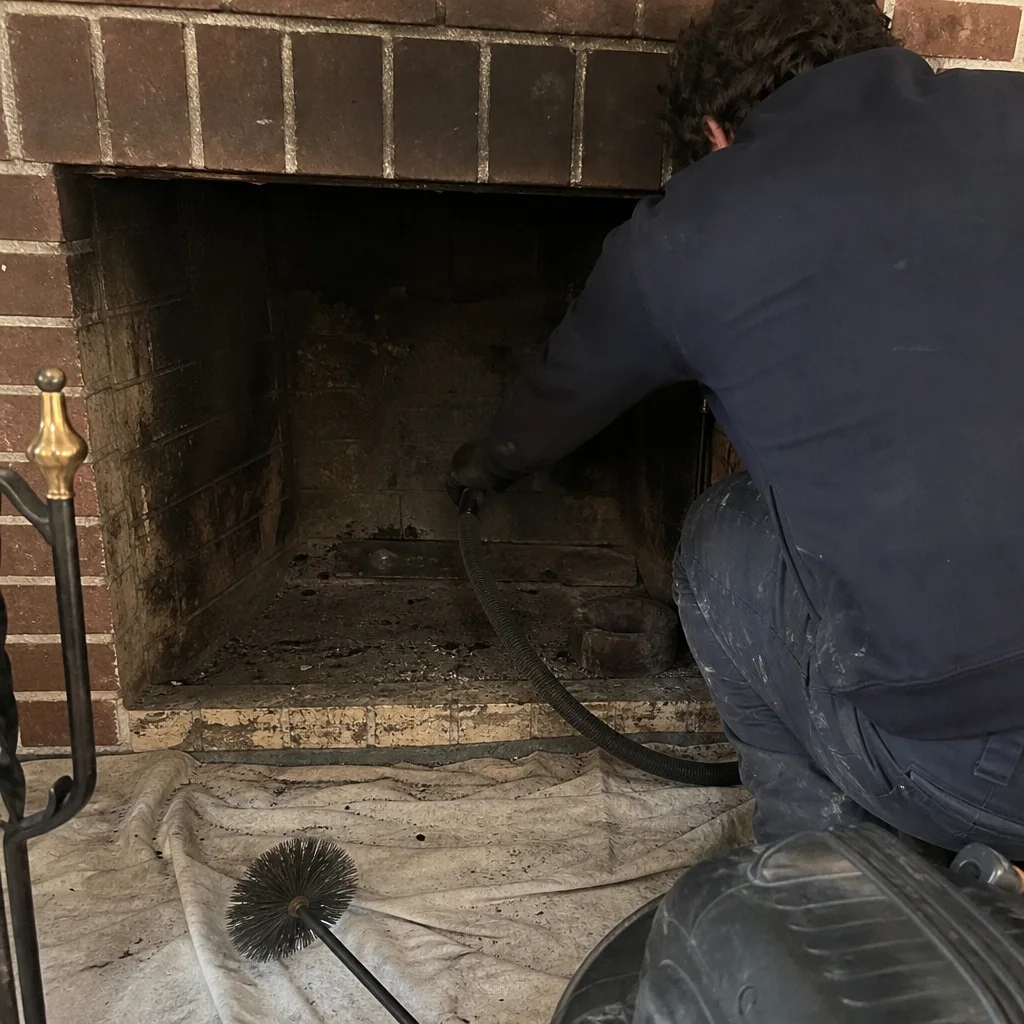 Before
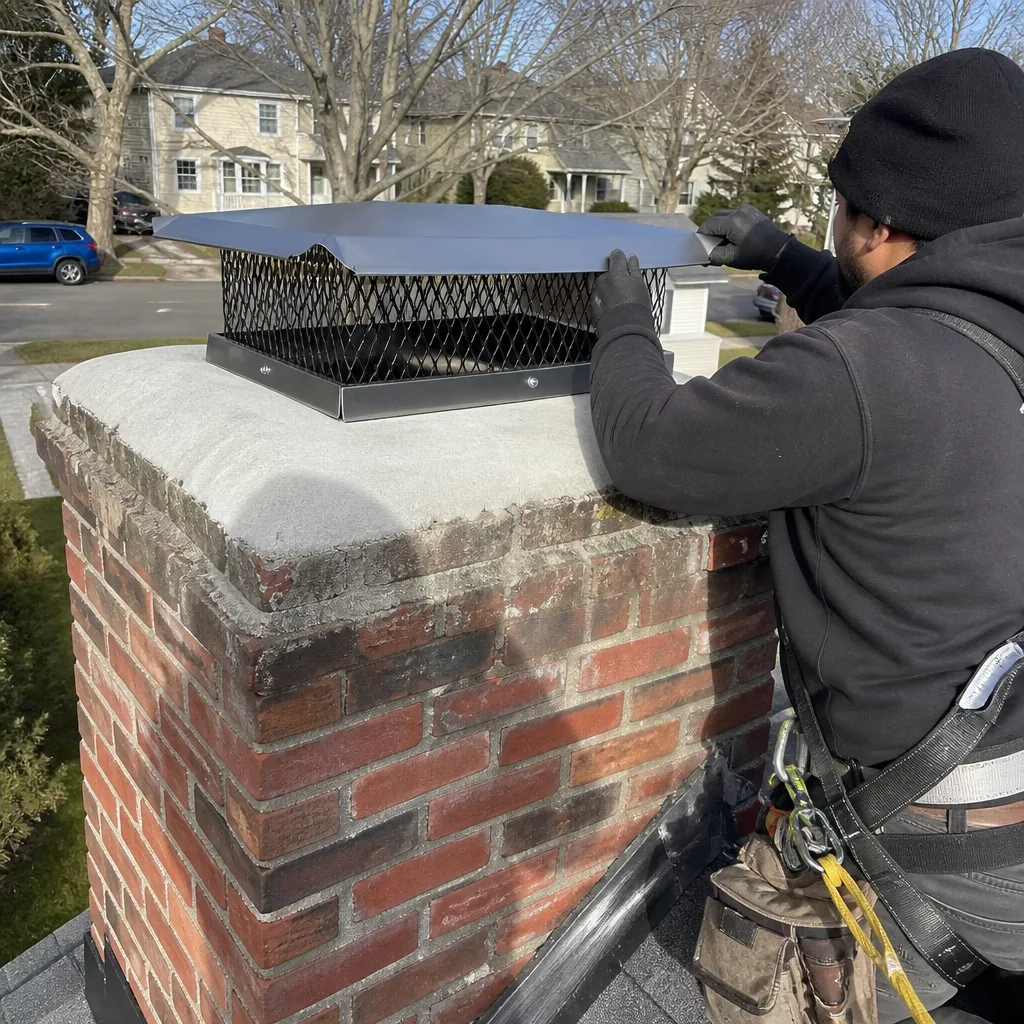 After
After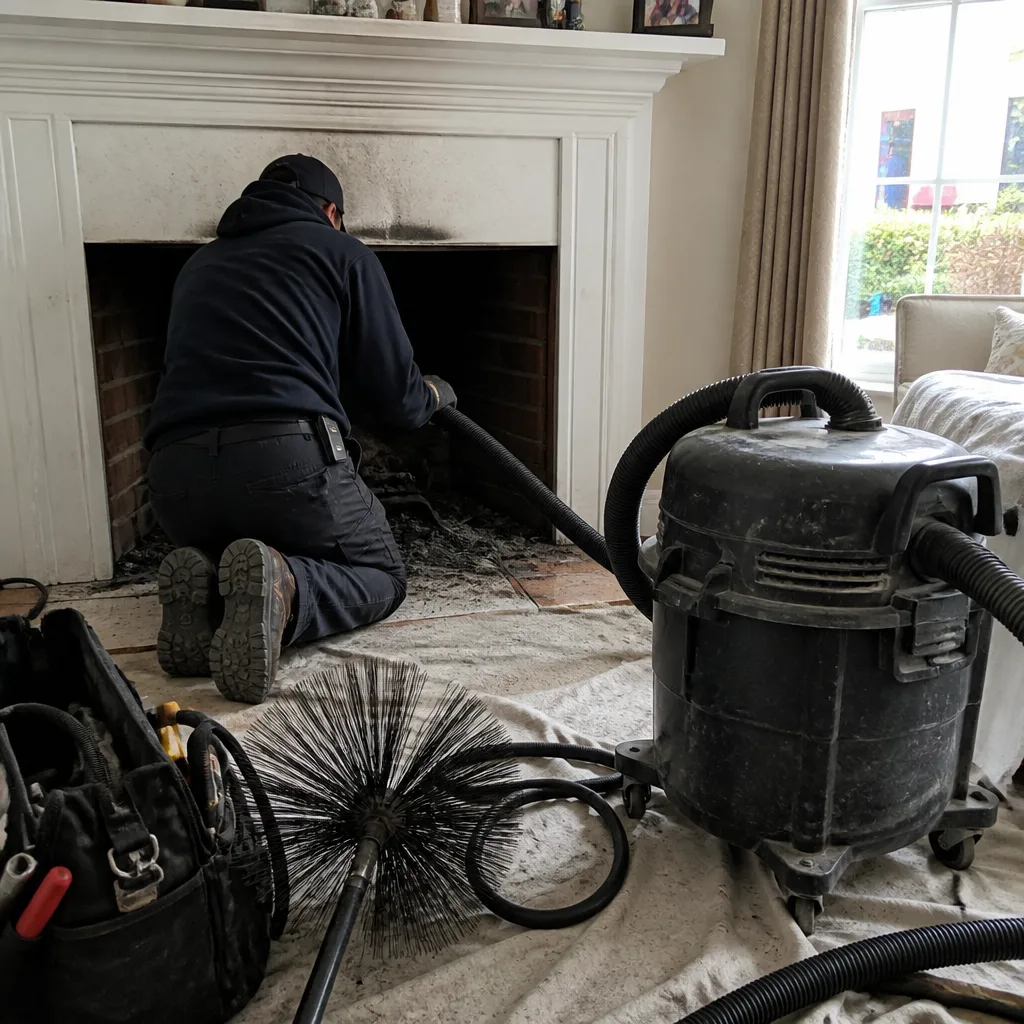 Before
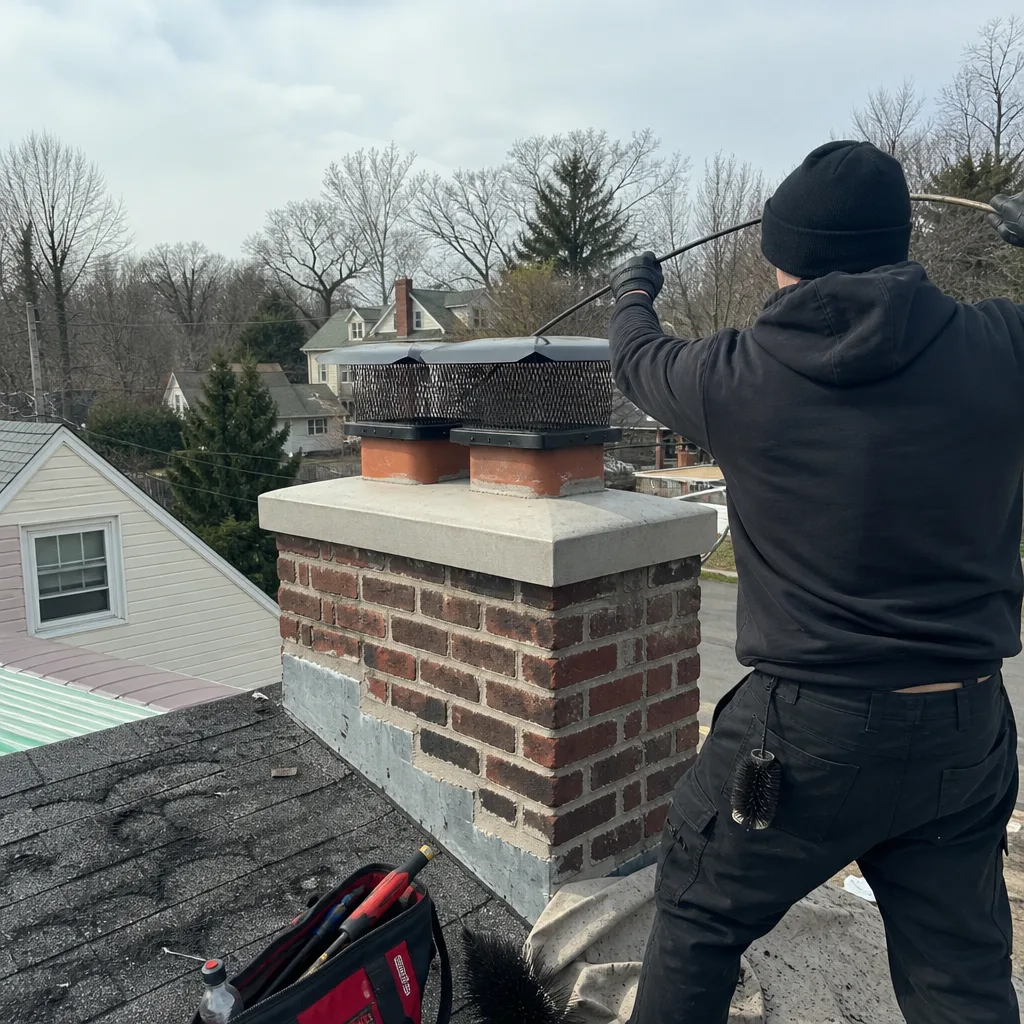 After
After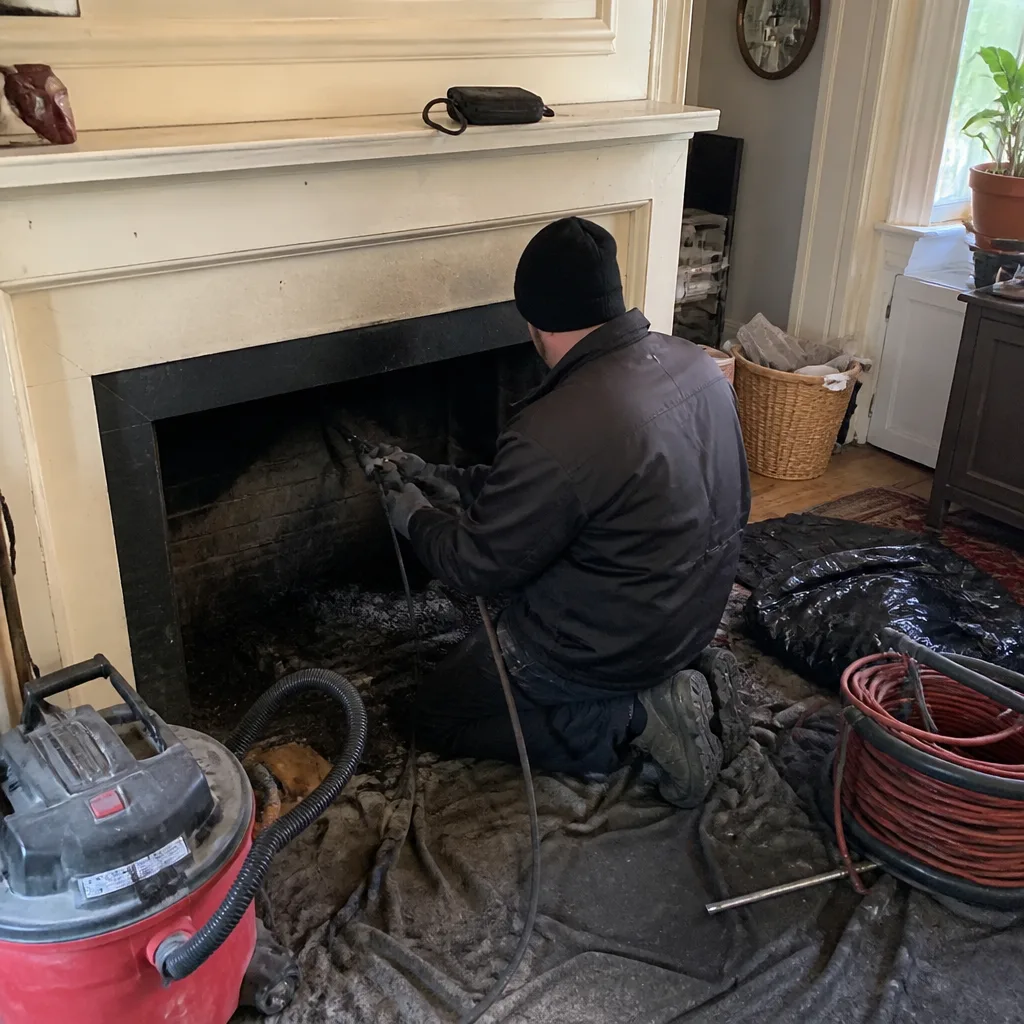 Before
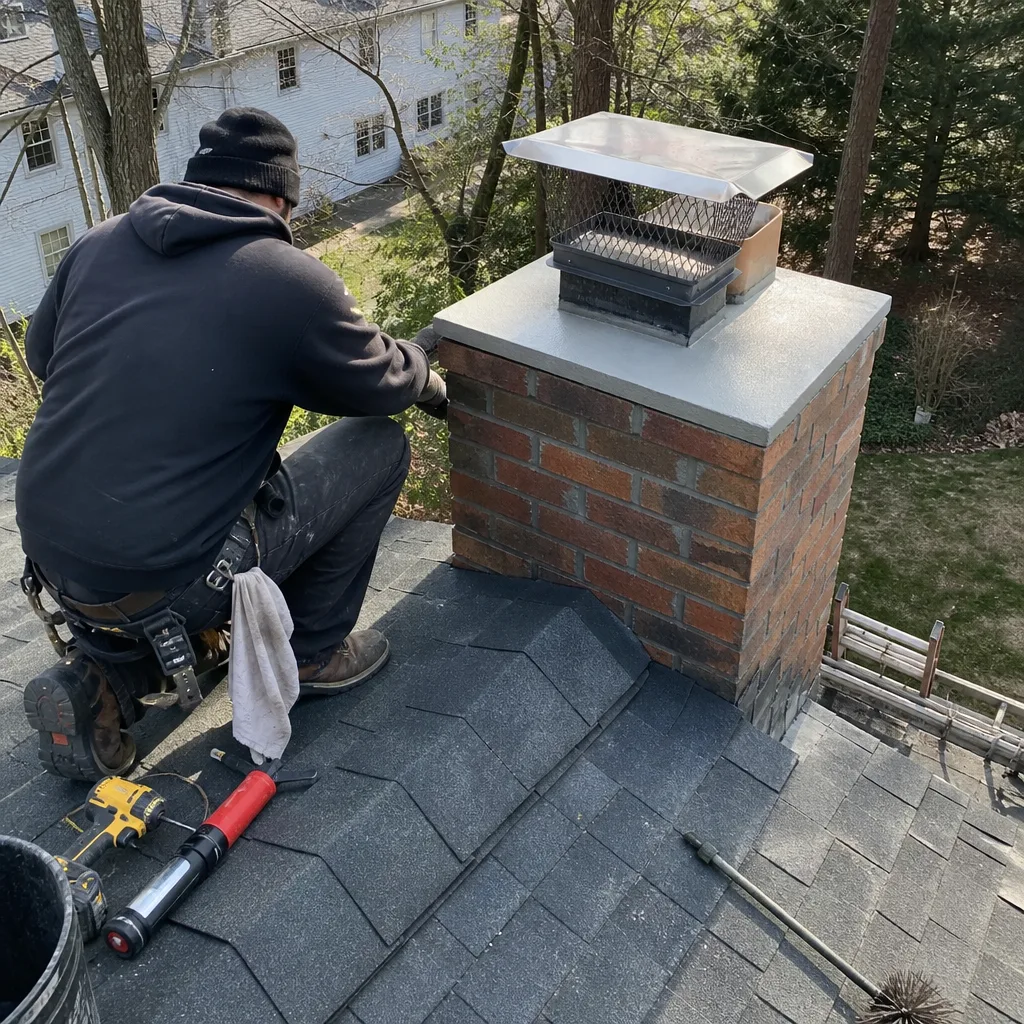 After
AfterHow to Hire a Chimney Cleaning Contractor in White Plains: A Step-by-Step Guide
In New York State, anyone can call themselves a chimney sweep. There is no state licensing requirement - which means the credential on a magnet ad means nothing unless you know what to verify behind it. We’ve spent over 42 years serving White Plains and the surrounding Westchester communities, and we’ve seen what happens when homeowners hire on price alone: incomplete cleanings that miss glazed creosote, “inspections” done without a camera, and verbal promises that evaporate when problems appear. This guide - along with our more guides & resources - gives you a concrete screening process, not a generic checklist of “ask for references.” You’ll learn exactly which credentials matter, which contract terms protect you, and the red flags specific to our local market.
Quick Answer
To hire a chimney cleaning contractor in White Plains, verify CSIA or NFI certification, request a certificate of insurance with specific chimney-work coverage, insist on a written scope that includes photo documentation, and confirm a named warranty period. Avoid door-to-door solicitors, flat-rate pricing that omits inspection, and any contractor who won’t put terms in writing.
Table of Contents
- Which Credentials Actually Matter in New York
- How to Verify Insurance Coverage (And Why General Liability Isn’t Enough)
- Three Contract Terms That Separate Accountable Contractors
- Red Flags Specific to the Westchester Market
- How They Handle Discovered Defects Mid-Job
- Understanding Pricing in the White Plains Market
- Common Mistakes to Avoid
- When to Call a Professional
- Frequently Asked Questions
- The Bottom Line
Which Credentials Actually Matter in New York
New York has no state-level licensing for chimney sweeps. This surprises most homeowners in White Plains, where we’re accustomed to regulated trades like plumbing and electrical work. Without a state board to enforce standards, the burden falls entirely on you to verify competence. Here’s what to look for and what to ignore.
CSIA Certification: The Baseline Standard
The Chimney Safety Institute of America (CSIA) offers the most widely recognized certification in the industry. A CSIA Certified Chimney Sweep has passed a closed-book exam covering combustion, ventilation, building codes, and safety practices. The certification requires continuing education every three years. When a contractor claims CSIA certification, ask for their credential number and verify it at csia.org. We’ve encountered technicians in the White Plains area who let certification lapse years ago but still display the logo.
What CSIA certification actually tests:
- NFPA 211 standards for chimney construction and maintenance
- Proper sweeping techniques for masonry, prefabricated, and fireplace insert systems
- Recognition of fire hazards including creosote buildup patterns and liner deterioration
- New York State and local building code familiarity (though codes vary by municipality)
NFI Certification: The Specialist Credential
The National Fireplace Institute offers a more specialized path. NFI certification focuses specifically on hearth appliance installation and venting. For White Plains homes with gas inserts, pellet stoves, or high-efficiency wood-burning systems, NFI certification indicates deeper technical knowledge than CSIA alone. NFI offers three tracks: Woodburning, Gas, and Pellet. A contractor with multiple NFI specializations has invested significant time in technical education.
Logos That Mean Less Than They Appear
Trade association membership is not certification. The National Chimney Sweep Guild (NCSG) is a valuable professional organization, but membership requires only dues payment and adherence to a code of ethics - no technical examination. Similarly, local business association logos on a truck or website indicate networking participation, not technical competence. We’ve seen contractors in the White Plains market display five or six affiliation logos with zero individual certifications.
Our recommendation: ask specifically, “Are you personally certified by CSIA or NFI, and can I verify your number?” A straightforward answer with a verifiable number is what you want. Evasive responses about “our company is certified” or “we follow all industry standards” should raise concern.
How to Verify Insurance Coverage (And Why General Liability Isn’t Enough)
This is where many White Plains homeowners stop too soon. They ask, “Are you insured?” hear “yes,” and move on. For chimney work, the type and amount of coverage matters significantly, and the certificate language reveals whether the policy actually protects you.
The Certificate to Request
Ask for a Certificate of Insurance (COI) naming you as the certificate holder. This ensures you receive notice if the policy is cancelled. The COI should show:
- General liability coverage of at least $1 million per occurrence. This covers property damage and bodily injury to third parties.
- Workers’ compensation coverage matching New York State requirements. Chimney work involves roof access, ladder work, and exposure to hazardous materials. Without workers’ comp, an injured worker can pursue your homeowner’s policy.
- Specific classification codes for chimney and fireplace work, not just general construction. Some contractors carry GL policies that exclude work above certain heights or involving specific equipment.
Why General Liability Alone Is Insufficient
Chimney contractors face unique risks that general construction policies may not cover. Soot and creosote are classified as hazardous materials in many policies. A technician who spreads soot through your Hartsdale or Scarsdale home during a cleaning, or who damages a flue liner during inspection, may not be covered under a standard GL policy without specific chimney-work endorsements.
We’ve been called to White Plains homes where a previous contractor’s “insurance” turned out to be a business owner’s policy with a $300,000 cap and no workers’ comp. The homeowner discovered this only after a ceiling stain appeared following a cleaning, and the contractor’s policy denied the claim as “maintenance-related water damage.”
Ask to see the actual certificate. A legitimate contractor produces it without hesitation. Anyone who resists, offers to “email it later,” or becomes defensive about privacy concerns is telling you something important.
Three Contract Terms That Separate Accountable Contractors
The difference between a craftsman and an operator often appears in the paperwork - or its absence. After four decades in this trade, we’ve learned that clear written terms prevent the disputes that destroy trust. Here are the three non-negotiable elements.
1. Written Scope of Work
The contract or work order must specify exactly what will be done, with what equipment, and to what standard. For a chimney cleaning in White Plains, this should include:
- Type of cleaning (mechanical brushing, rotary system, chemical treatment for glazed creosote)
- Areas to be accessed and cleaned (firebox, smoke chamber, flue liner, damper assembly)
- Inspection method (visual, Level 1, or Level 2 with camera)
- Cleanup responsibility and protection of floors/furnishings
Vague language like “complete chimney service” or “full cleaning and inspection” allows wide interpretation. We’ve seen “complete” cleanings that skipped the smoke chamber entirely because it wasn’t explicitly listed.
2. Photo Documentation Delivery
A chimney cleaning in White Plains without photo documentation is incomplete. Modern chimney inspection requires a camera system capable of revealing flue liner cracks, mortar joint deterioration, and creosote buildup patterns invisible from the firebox. The contract should state that photos or video will be provided, in what format, and within what timeframe.
At Hearthstone Chimney Co., our Level-2 camera inspections end with photos the homeowner can see and a plain-English verdict - documented like an engineer, explained like a craftsman. You should accept nothing less from any contractor. Photos are not a bonus; they are evidence of work performed and conditions found. A contractor who won’t provide them either lacks the equipment or doesn’t want you to see what they missed.
3. Named Warranty Period
The contract must state a specific warranty period for workmanship, not just materials. “Satisfaction guaranteed” is meaningless without a time frame and remedy. Our 90-Day Done Right Promise - in writing, no arguing - specifies that if it’s not right, we come back. Whatever period a contractor offers, it should be named, dated, and attached to specific workmanship standards.
Be wary of “lifetime” warranties from companies that have been in business three years. In the White Plains market, we’ve watched contractors open, operate aggressively for two seasons, and close - leaving their “lifetime” promises worthless. A warranty is only as reliable as the company behind it.
Red Flags Specific to the Westchester Market
The White Plains and greater Westchester area has characteristics that attract certain problematic business practices. Knowing these local patterns helps you avoid them.
Door-to-Door Solicitation After Weather Events
After significant windstorms, ice events, or news coverage of chimney fires, expect door-to-door solicitors offering “free inspections” or claiming to have “noticed damage from the street.” Legitimate chimney contractors in White Plains do not canvass neighborhoods. This practice is associated with out-of-area crews who move through regions following weather events, perform minimal work at inflated prices, and leave no forwarding address.
The pattern: they create urgency (“your chimney could collapse in the next storm”), offer a “special rate for today only,” and pressure for immediate payment. We’ve cleaned up after these operations in North White Plains and Gedney Farms, where homeowners paid thousands for unnecessary “emergency” repairs to chimneys that needed only routine maintenance.
Unusually Low Flat-Rate Pricing That Omits Inspection
In the White Plains market, legitimate chimney sweeping with proper inspection typically ranges from $175-$325 depending on system complexity; see our Chimney Cleaning Cost Breakdown: The White Plains Homeowner’s Reference for 2026 for full details. Advertised rates of $79 or $99 for “complete chimney cleaning and inspection” indicate one of two problems: the inspection is visual-only (worthless for detecting hidden defects), or the contractor plans to find “necessary” repairs once inside your home.
The low price gets the foot in the door. The revenue comes from inflated repair estimates delivered with manufactured urgency. We’ve reviewed competitor estimates in White Plains that recommended $4,000 in liner replacement for flues that our camera inspection showed to be sound - the original contractor never ran a camera, or ran one and didn’t show the homeowner the actual footage.
Verbal-Only Estimates
New York law does not require written estimates for home improvement work under $500, but ethical contractors provide them regardless. A verbal estimate allows the contractor to change pricing mid-job, claim you “misunderstood” the scope, or add charges for “unforeseen” conditions that were foreseeable to an experienced professional.
Insist on written estimates for any work beyond basic sweeping. The estimate should itemize labor, materials, and permit costs separately. For significant repairs in White Plains, where permits may be required for structural chimney work, the estimate should note permit responsibility and estimated fees; consult our guide to Chimney Cleaning Permits, Codes & Inspections in NY: What You Need to Know to verify requirements.
Out-of-Area Phone Numbers and PO Boxes
Westchester County’s proximity to New York City and Connecticut means contractors may maintain a local presence without genuine local accountability. Check the business address: a PO box or suite number without a physical location suggests a transient operation. Local contractors know White Plains building codes, have relationships with local suppliers, and can respond if follow-up is needed. We’ve maintained our local presence since 1984 because we plan to be here in thirty more years - and we act accordingly.
How They Handle Discovered Defects Mid-Job
This is the true test of contractor integrity. Every experienced chimney sweep discovers unexpected conditions: cracked flue liners, deteriorated mortar joints, blocked or improperly sized flues, water damage from failed crowns. The trustworthy contractor explains the finding, shows the photo, and gives a written estimate before proceeding. The untrustworthy contractor delivers alarming news, pressures for immediate authorization, and presents a single combined bill.
The Process You Should Expect
- Stop and explain. The technician halts work, brings you to the inspection monitor or shows photos on a tablet, and explains what was found in plain language - not jargon designed to confuse.
- Document the condition. Photos or video are saved, labeled, and made available to you. You have evidence independent of the contractor’s verbal description.
- Provide options with pricing. If repair is needed, you receive a written estimate with at least two options: immediate repair, temporary safe use with scheduled repair, or in some cases, safe use with monitoring. For significant repairs, a second opinion should be offered without resistance.
- No pressure for immediate decision. Except for genuine safety emergencies (active gas leak, structural collapse risk), you should have time to consider. A cracked flue liner is serious but does not require authorization in the next ten minutes.
We’ve developed this protocol over decades because we’ve seen the alternative. Homeowners in White Plains have shown us competitor invoices where a $200 cleaning became a $3,800 “emergency repair” with no prior documentation, no options discussed, and no opportunity for a second opinion. The technician simply wouldn’t leave until the homeowner signed.
Our standing offer includes a Free Second Opinion on any written estimate because we believe informed homeowners make better decisions - and because confidence in our assessment allows us to offer it. Any contractor who resists your seeking a second opinion has reason to fear comparison.
Understanding Pricing in the White Plains Market
Chimney service pricing in White Plains reflects Westchester County’s cost structure, seasonal chimney cleaning care patterns, and the technical complexity of older housing stock. Understanding these factors helps you evaluate estimates realistically.
Typical Pricing Ranges
| Service | Typical Range in White Plains | What Affects Price |
|---|---|---|
| Basic chimney sweep (Level 1 inspection) | $175 – $250 | Number of flues, accessibility, amount of creosote buildup |
| Chimney sweep with Level 2 camera inspection | $250 – $400 | Height of chimney, liner material, camera access difficulty |
| Glazed creosote removal (chemical treatment) | $150 – $300 additional | Stage of glazing, number of applications needed |
| Chimney cap installation | $350 – $800 | Material (stainless, copper, galvanized), size, custom fitting |
| Crown repair (sealing/patching) | $400 – $900 | Extent of cracking, accessibility, material used |
| Flue liner repair (HeatShield, etc.) | $1,200 – $3,500 | Liner length, diameter, extent of damage |
| Full liner replacement (stainless steel) | $2,500 – $5,500 | Liner diameter, height, number of appliances vented |
These ranges reflect our experience in the White Plains market. Prices below these ranges suggest corners being cut: uninsured labor, no camera inspection, or substandard materials. Prices significantly above without clear justification warrant a second opinion.
Seasonal Factors
White Plains experiences predictable demand surges. September through November sees appointment backlogs of three to four weeks for reputable contractors. Emergency calls during the first cold snap command premium rates. Scheduling your chimney cleaning in White Plains in spring or early summer typically offers more flexible scheduling and sometimes reduced rates.
The condition of chimneys in our area also affects pricing. Many White Plains homes date to the early-to-mid 20th century, with original masonry that has endured freeze-thaw cycles, acid rain, and in some neighborhoods, shifting foundations from the area’s clay-heavy soils. Older flues may require more time, specialized equipment, or preparatory repair before safe cleaning is possible.
Material Quality Differences
Not all chimney components are equivalent. Professional-grade stainless steel liners from DuraFlex carry longer warranties and better corrosion resistance than generic alternatives. Crown repair with proper elastomeric coating outlasts basic mortar patching. When comparing estimates, ask specifically what materials are specified. Our work exclusively uses professional-grade brands - DuraFlex, HeatShield, Gelco, Olympia Chimney, Famco, and Copperfield - because we’ve seen builder-grade substitutes fail within seasons in White Plains conditions.
Common Mistakes to Avoid
- Hiring based on price alone. The lowest bid often excludes the camera inspection that reveals actual conditions, or uses uninsured day laborers. In White Plains, we’ve corrected work from low-price contractors that cost more to fix than the original job would have cost done right.
- Assuming a clean chimney is a safe chimney. Sweeping removes combustible deposits but does not repair cracked liners, deteriorated mortar, or improper clearances. The inspection matters as much as the cleaning.
- Neglecting to verify certification directly. CSIA and NFI both maintain online verification systems. Taking two minutes to check a credential number prevents hiring someone who last passed an exam in 2008.
- Accepting verbal warranties. “We’ll take care of you” is not a warranty. A named period, in writing, with specific remedy language, is what protects you when problems emerge.
- Ignoring local knowledge. White Plains building codes, permit requirements, and common construction practices differ from neighboring counties. A contractor based in New Jersey or Connecticut may not understand local requirements for chimney height, clearance to combustibles, or venting of high-efficiency appliances.
- Waiting for visible problems. By the time you see water stains, smell smoke in rooms, or notice crumbling brick, damage is advanced. Annual inspection catches conditions before they become expensive repairs.
- Not asking about mid-job protocols. Every chimney has surprises. Knowing in advance how a contractor handles unexpected findings prevents pressure tactics at your fireplace.
When to Call a Professional
Certain conditions require immediate professional assessment, not scheduled maintenance. Call a certified chimney contractor promptly if you notice smoke entering living spaces, visible cracks in the flue or exterior masonry, water leaking around the chimney, or a strong odor of creosote even when the fireplace is not in use. These symptoms indicate conditions that can escalate to chimney fires or carbon monoxide intrusion.
For routine maintenance, the National Fire Protection Association recommends annual inspection and cleaning as needed based on use. In White Plains, where many homeowners burn seasoned hardwood through extended heating seasons, annual sweeping is typically necessary. Homes with gas appliances require annual inspection even without creosote concerns, as deteriorated liners and blocked vents present silent hazards.
Hearthstone Chimney Co. offers free estimates in White Plains. Call (914) 603-1360 to schedule. Our phones are answered by a live person 24 hours a day, 7 days a week - not a voicemail, not a callback queue. We’ll be there when we say, and we’ll show you photos you can see with a plain-English verdict. Done right - and we stand behind it.
Frequently Asked Questions
A professional chimney sweep in White Plains typically costs $175 to $325 for a standard cleaning with Level 1 inspection, or $250 to $400 when a Level 2 camera inspection is included. Prices vary based on the number of flues, accessibility, and the amount of creosote buildup. Call (914) 603-1360 for an exact quote - estimates are free.
You need a new liner only if inspection reveals specific defects: cracks, gaps, or deterioration that compromise safe venting. A trustworthy contractor shows you camera evidence of damage and explains why repair or replacement is necessary. At Hearthstone Chimney Co., nothing is recommended without photo documentation you can see for yourself, and we’ll plainly tell you when work can safely wait. Our Free Second Opinion offer exists because informed decisions matter.
The National Fire Protection Association recommends annual inspection for all chimney systems, with cleaning frequency determined by use and fuel type. Most wood-burning fireplaces in White Plains need annual sweeping due to our extended heating season. Gas systems require annual inspection even without creosote, as liner deterioration and vent blockages create silent hazards. Call (914) 603-1360 to schedule - we’ll assess your specific usage pattern.
Skipped maintenance leads to accumulated creosote that ignites at lower temperatures, cracked flue liners that allow heat transfer to combustible framing, and blocked vents that force carbon monoxide into living spaces. In White Plains, we’ve responded to chimney fires in homes that hadn’t been inspected in five years or more - fires that destroyed roof structures and damaged interiors. The cost of annual maintenance is negligible compared to fire restoration or medical consequences of CO exposure.
No. New York State has no licensing requirement for chimney sweeps, which makes CSIA or NFI certification particularly important as a voluntary standard of competence. Anyone can buy a brush and call themselves a sweep. Certification verifies that the individual has passed rigorous examination and maintains continuing education. Always verify certification numbers directly with CSIA or NFI.
A Level 2 inspection includes all elements of Level 1 (accessible portions of the chimney exterior and interior) plus examination of attics, crawl spaces, and basements where chimney structure is visible, and a video scan of the flue interior. This is the standard inspection for real estate transactions, after weather damage, or when changing appliance types. In White Plains, we recommend Level 2 inspection for homes over 25 years old or with unknown maintenance history. Our Level-2 inspections include photos you can see and a plain-English verdict - documented like an engineer, explained like a craftsman.
The Bottom Line
Hiring a chimney contractor in White Plains is vetting, not price-shopping. The credentials that matter are verifiable CSIA or NFI certification, not trade association logos. The insurance that protects you includes workers’ compensation and specific chimney-work coverage, not just general liability. The contract that safeguards your interests specifies scope, photo documentation, and a named warranty. And the contractor who deserves your trust handles unexpected findings with transparency, not pressure.
We’ve built Hearthstone Chimney Co. on these principles for over 42 years because they work - for us, and for the homeowners we serve. A square deal: no surprises on the bill. Photos you can see, a plain-English verdict. In writing, no arguing. We’ll be there when we say.
Written by Russell Haines, Owner at Hearthstone Chimney Co., serving White Plains since 2014.