
Last updated September 10, 2026
Level 1 sweep and inspection to the NFPA 211 annual standard - flue, crown, cap, and flashing checked and photographed
Chimney sweep logs do not sweep chimneys. They loosen some creosote - which then falls where a brush and vacuum still have to collect it.
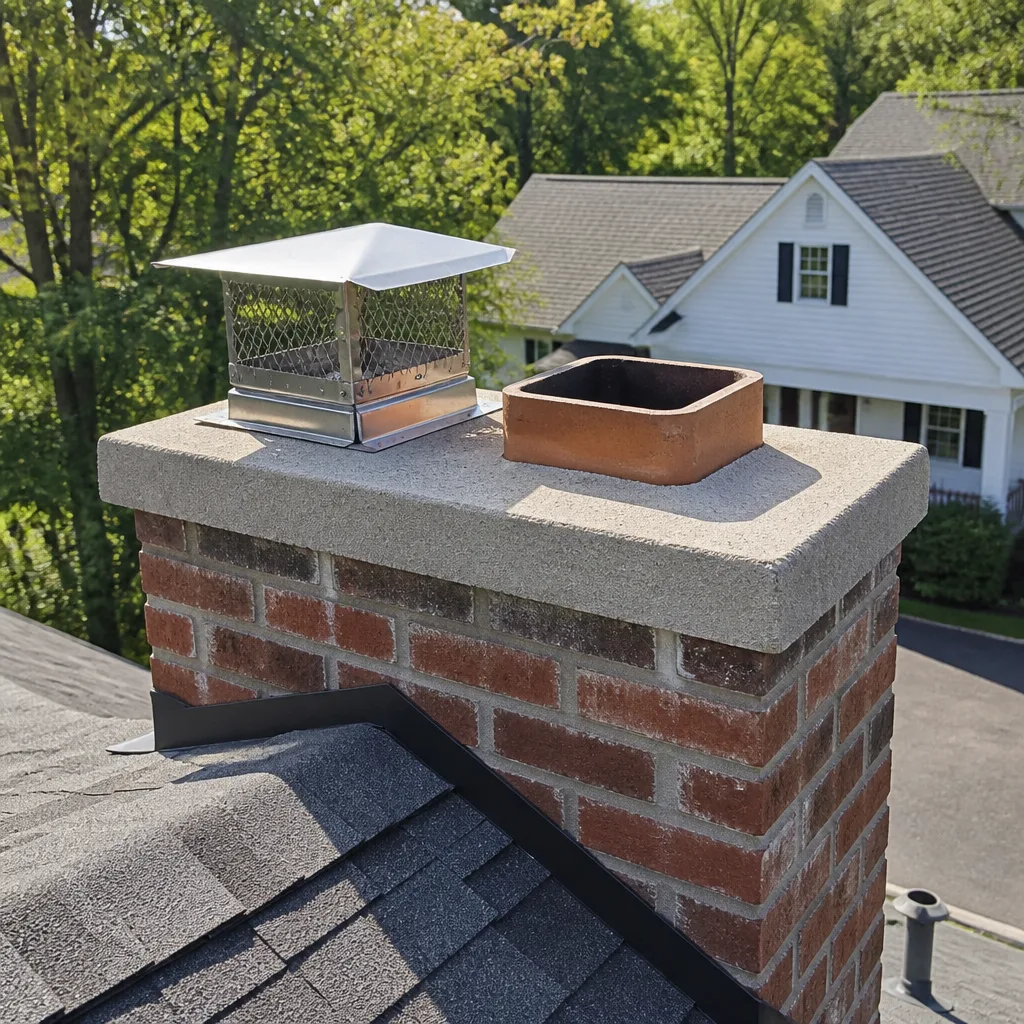
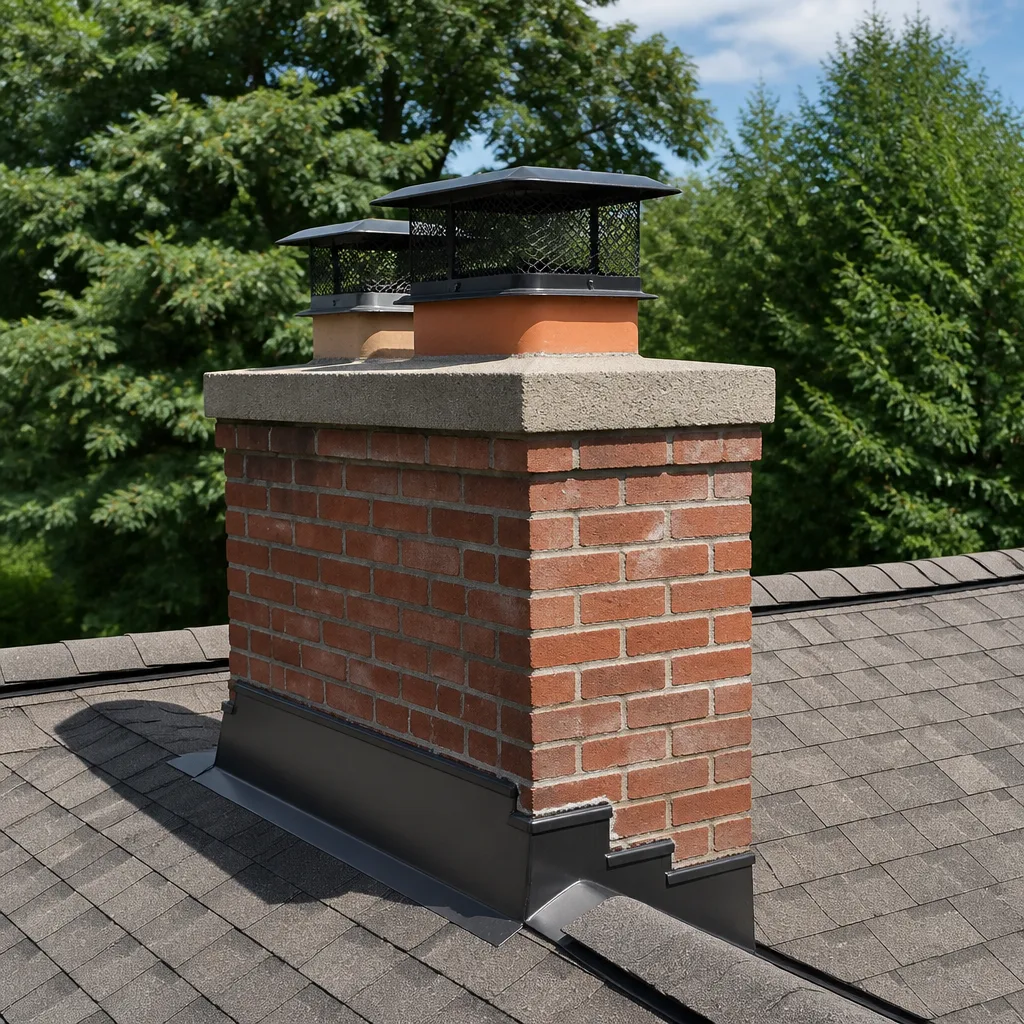
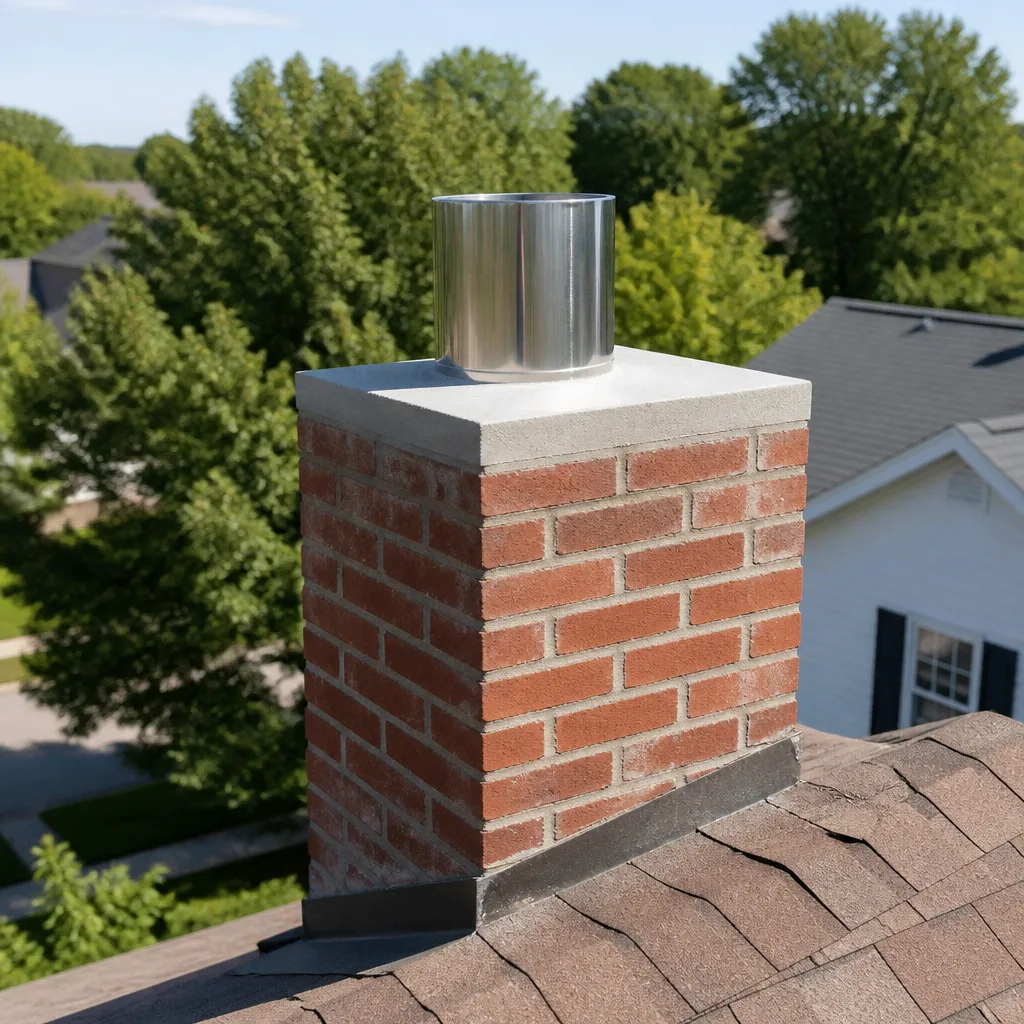
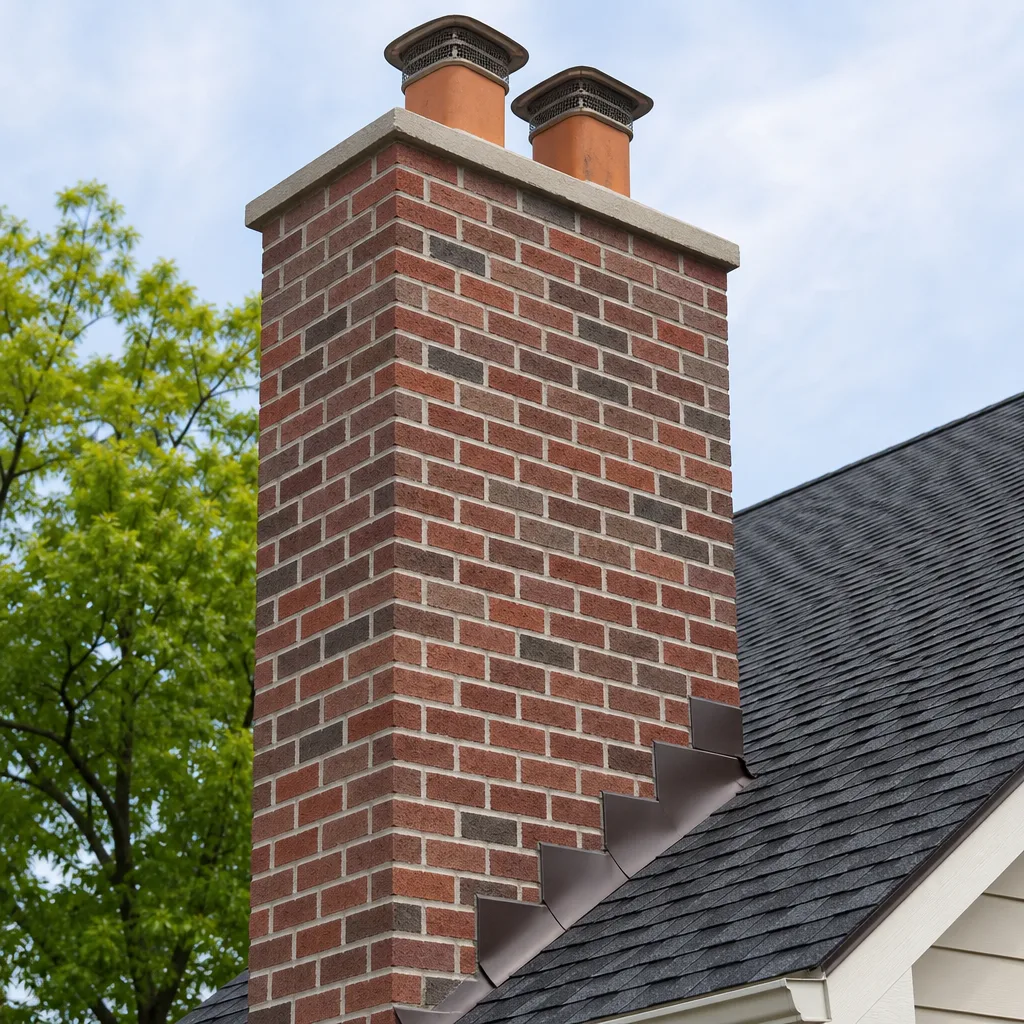
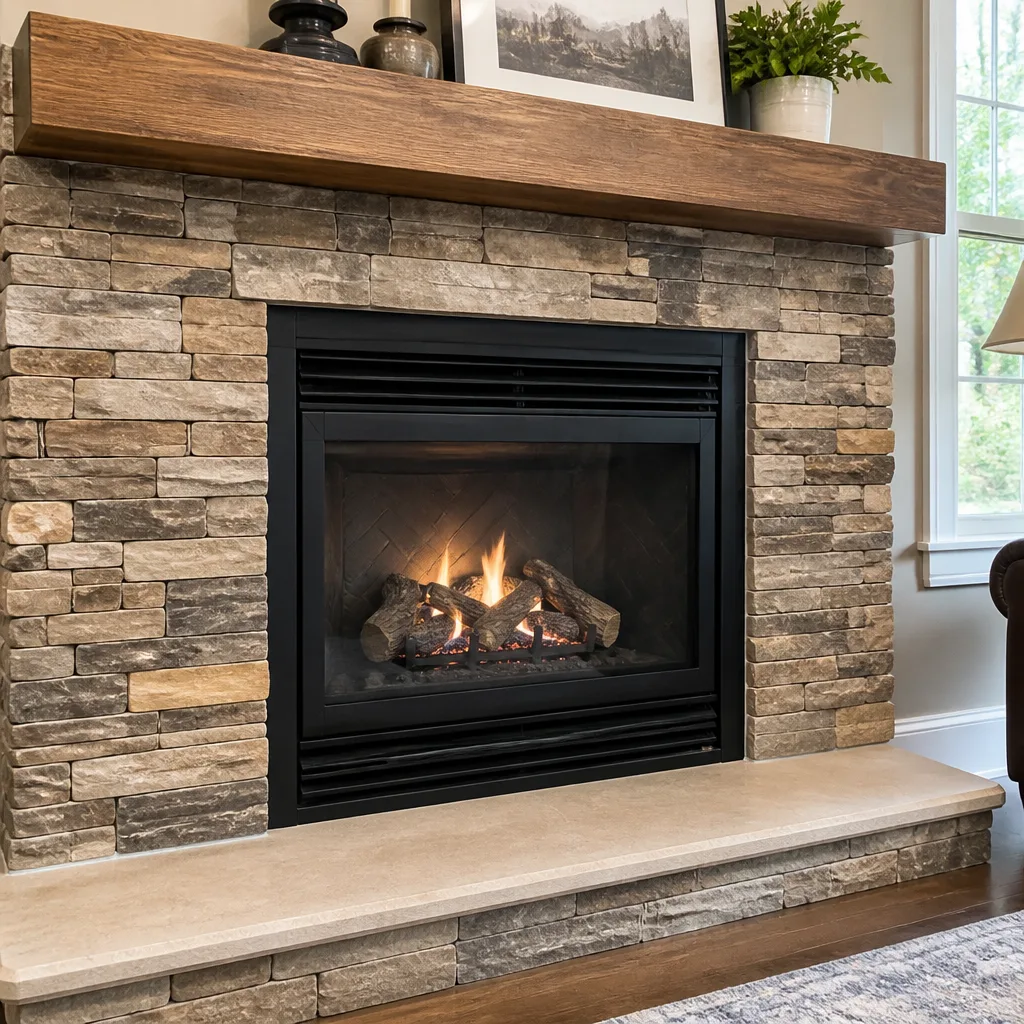
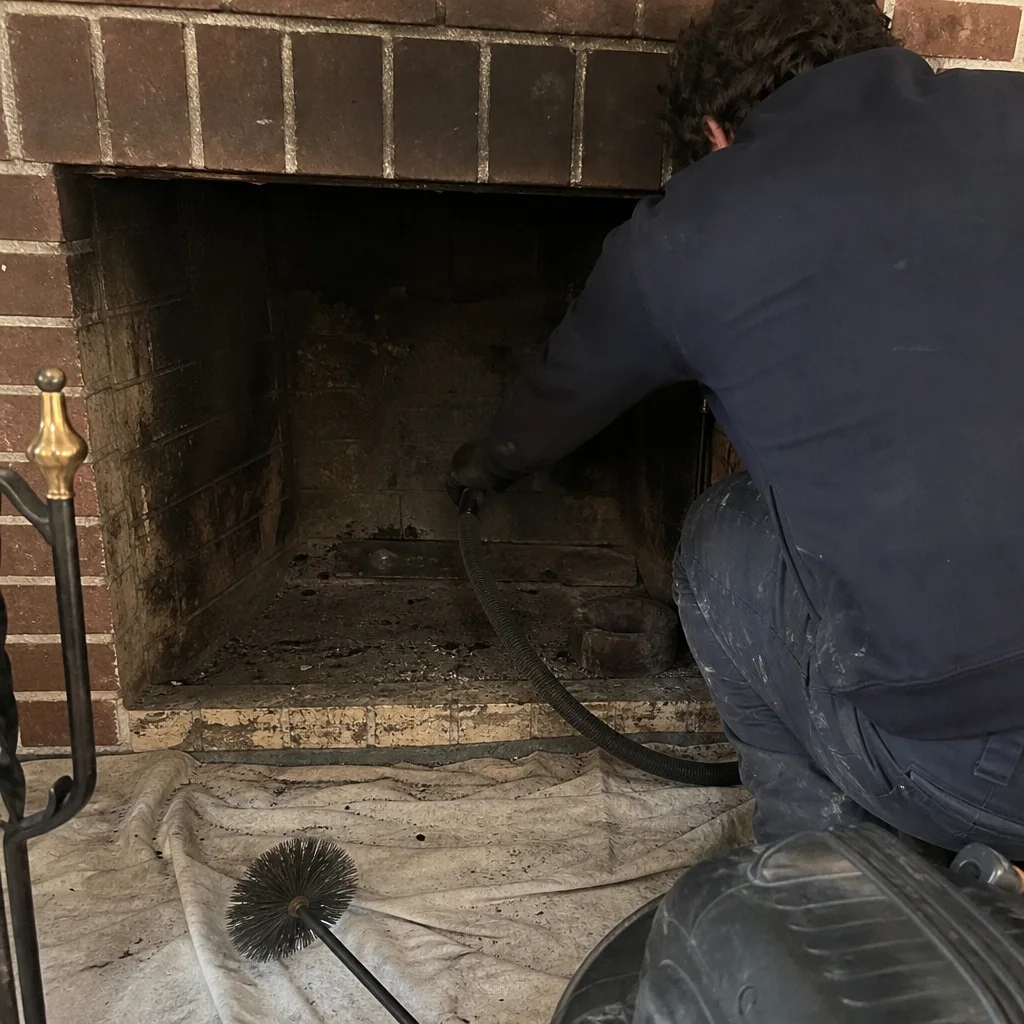 Before
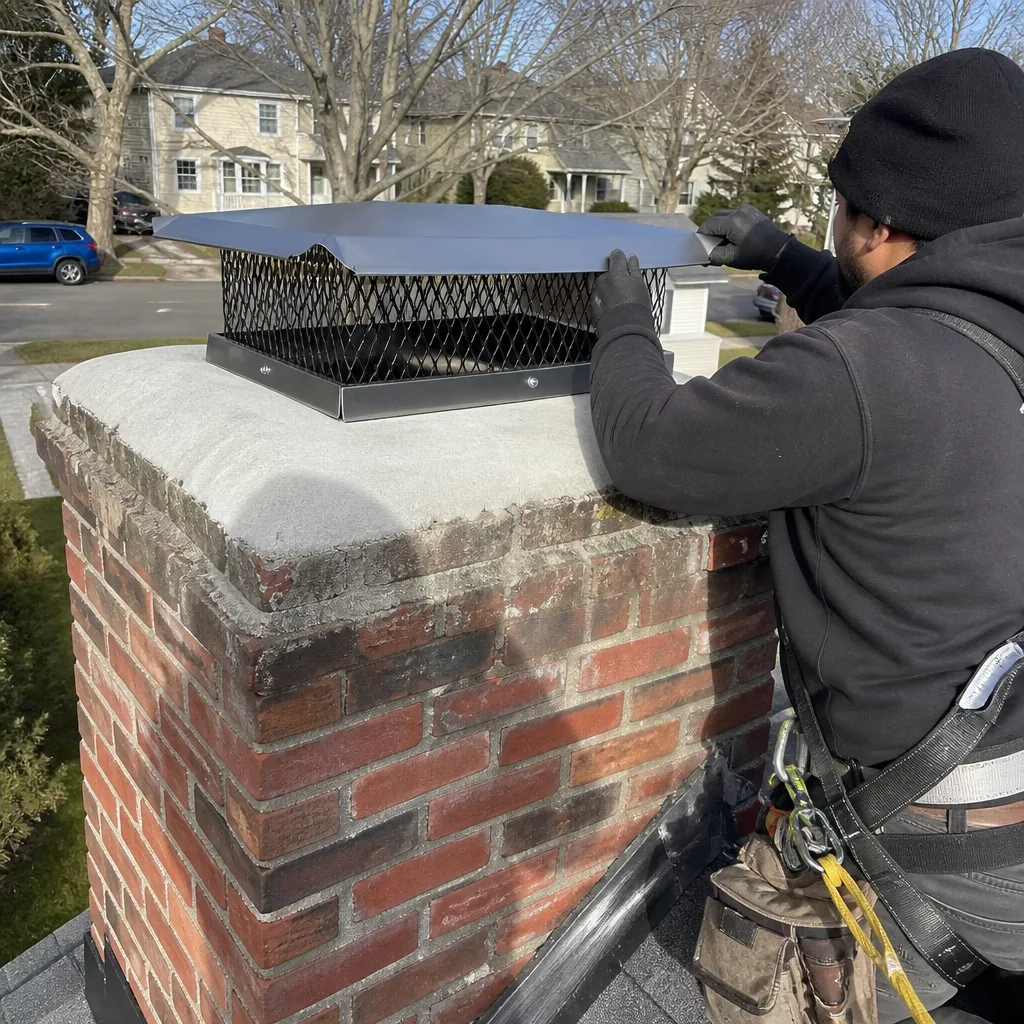 After
After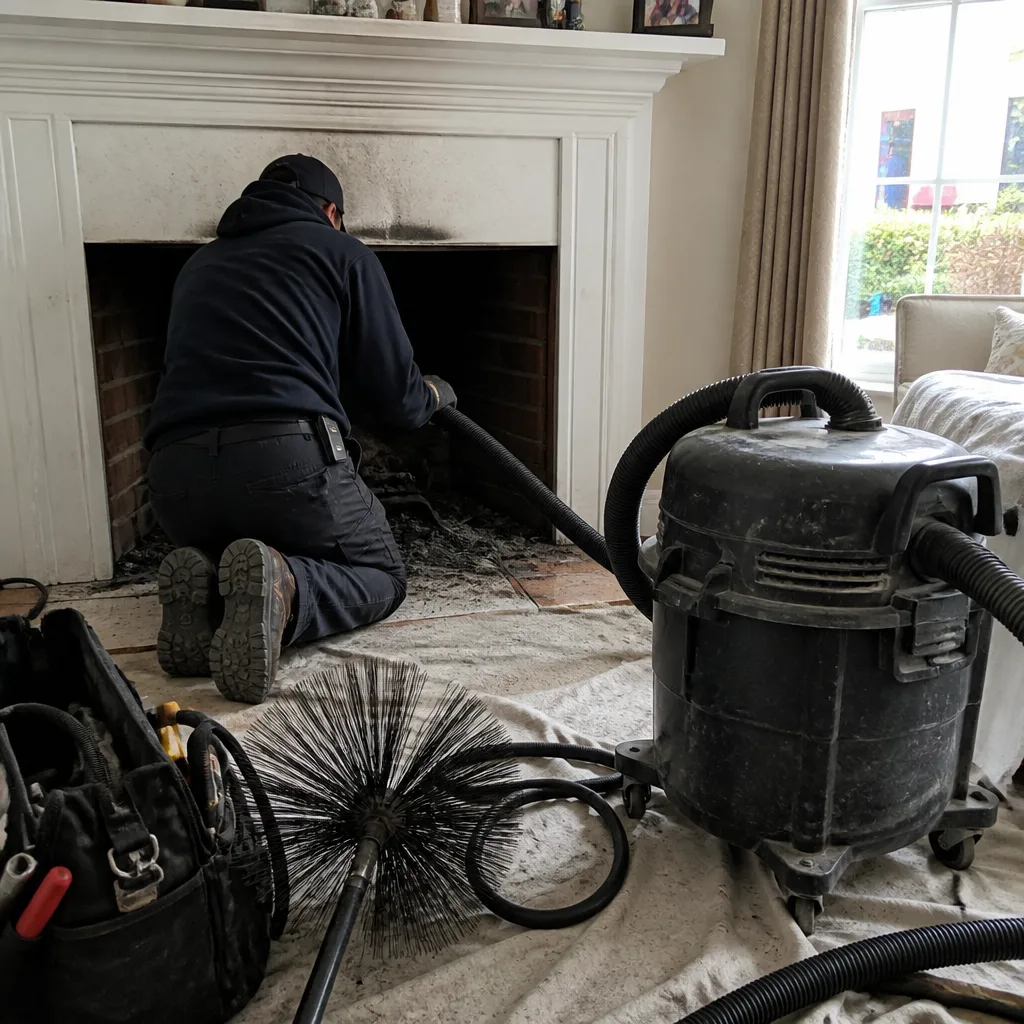 Before
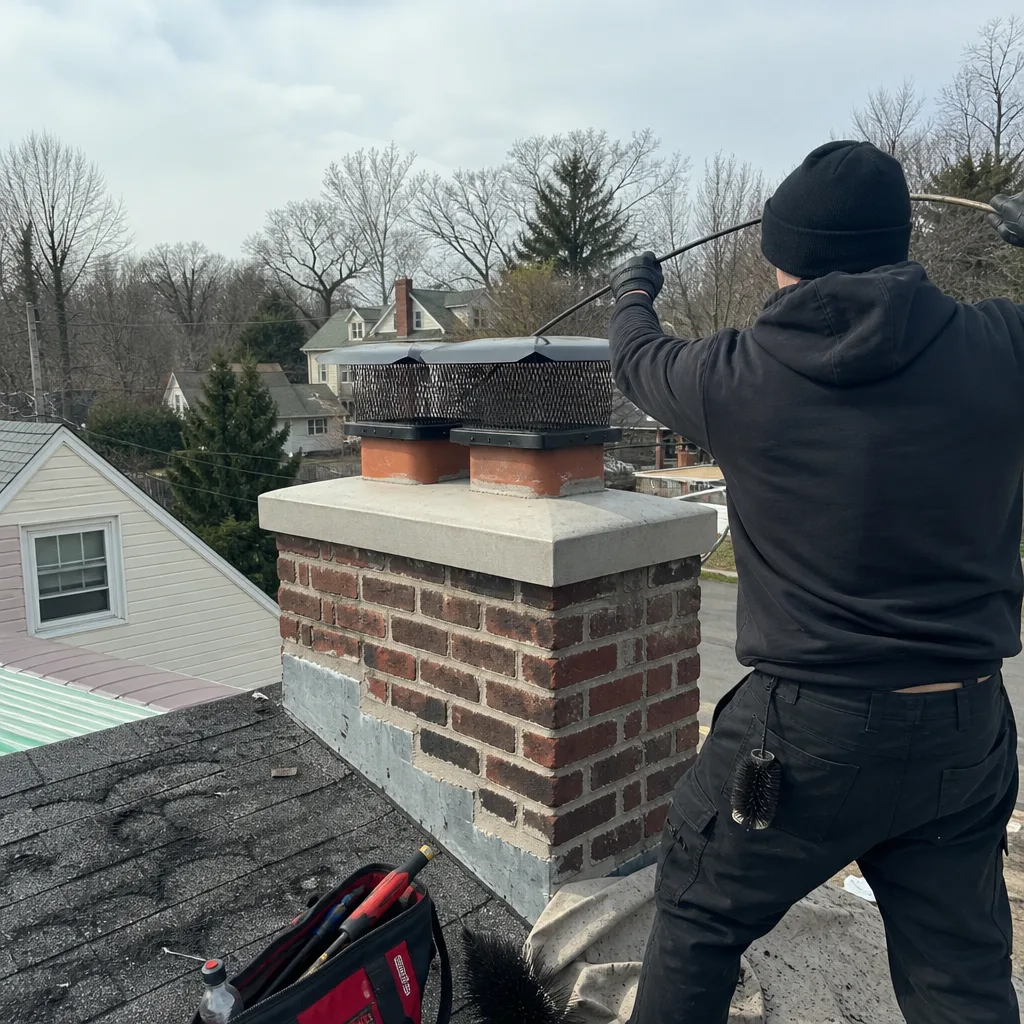 After
After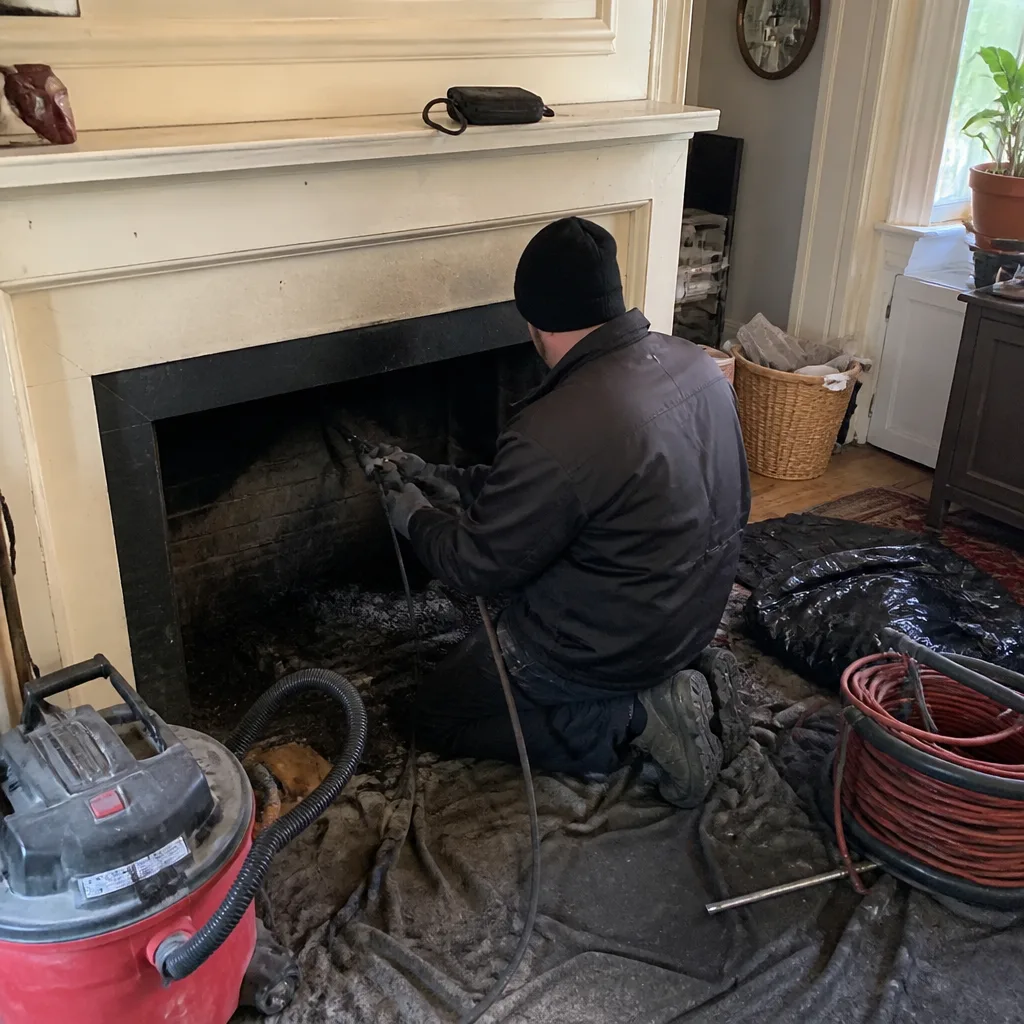 Before
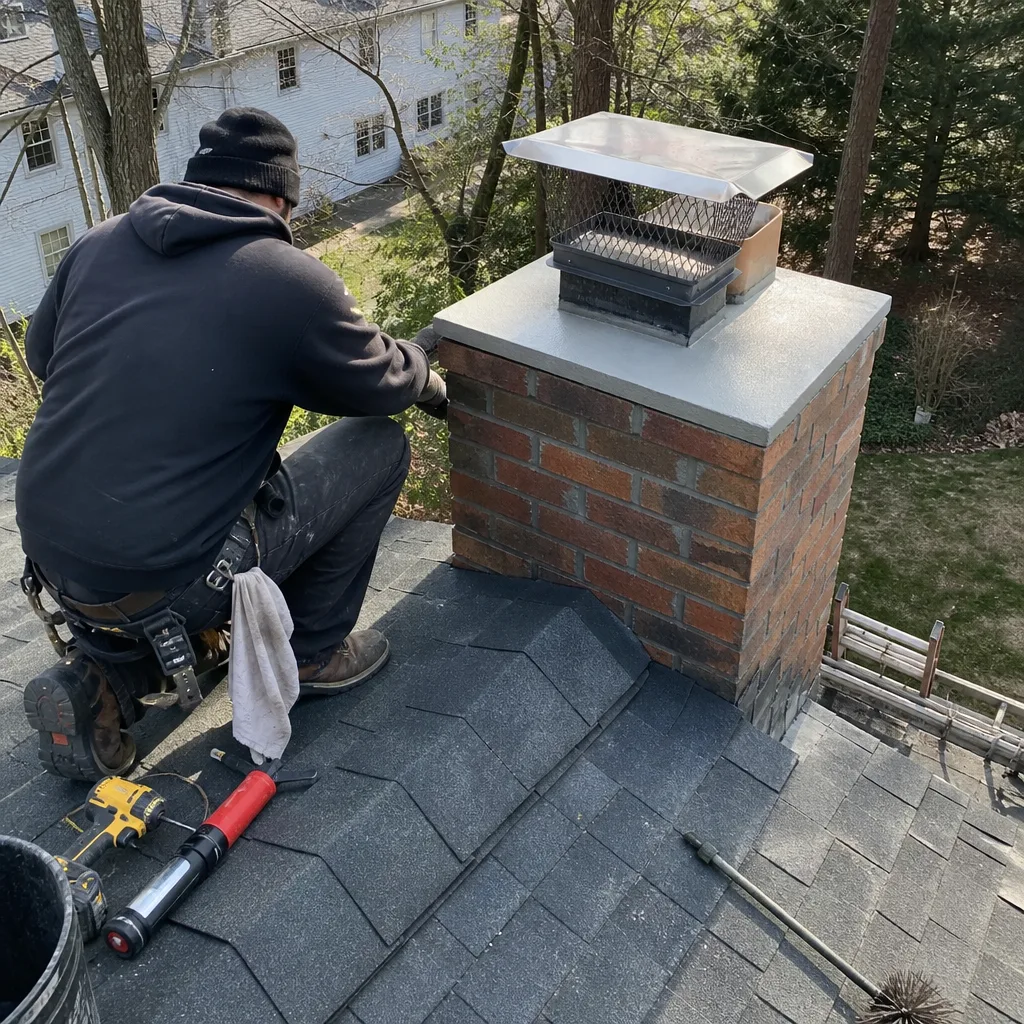 After
AfterSeasonal Chimney Cleaning Care for White Plains: Year-Round Homeowner’s Guide
September is the most popular month for chimney cleaning appointments in Westchester County, and also the worst time to discover you waited too long. Every other homeowner in White Plains had the same idea, and the earliest available slot may land after your first fire. We’ve been taking calls at Hearthstone Chimney Co. since 1984, and the pattern never changes: the rush starts Labor Day weekend, and by mid-September we’re booking two to three weeks out. What most homeowners miss is that chimney care is four distinct seasonal jobs, not one annual sweep. Get the timing wrong on any of them, and you’re looking at compounded problems by the time the real cold arrives.
Quick Answer
Seasonal chimney cleaning care in White Plains means four distinct maintenance windows: a pre-burning-season sweep and inspection in late summer, a mid-season performance check during winter burning, a post-season condition assessment in early spring, and a moisture-damage prevention review in summer. Only the late-summer visit involves actual sweeping with brushes; the other three focus on catching problems specific to that season before they worsen. In White Plains’ climate, with 45-plus freeze-thaw cycles each winter, skipping any seasonal check accelerates mortar joint failure and liner deterioration.
Table of Contents
- Fall (August-October): The Pre-Season Sweep That Sets Everything Up
- Winter: The Mid-Season Check Most Homeowners Skip
- Spring (March-April): The Post-Season Inspection That Reveals the Real Story
- Summer: Moisture Season, Not Fire Season
- Why White Plains’ Freeze-Thaw Cycles Demand More Frequent Attention
- What a Proper Seasonal Inspection Should Include
- What Seasonal Chimney Care Costs in White Plains
- How to Build Your Annual Chimney Calendar
Fall (August-October): The Pre-Season Sweep That Sets Everything Up
The pre-season sweep is the one most White Plains homeowners understand. Creosote builds up during burning season, and it needs removal before the next one starts. What fewer people grasp is the timing, and what the sweep should actually confirm before that first fire.
We start seeing the September rush around August 28th every year. Homeowners in White Plains neighborhoods like Gedney Farms, Fisher Hill, and the Highlands all call within the same two-week window. The smart move is booking in July or early August. You’ll get your pick of appointment times, and if the inspection turns up something that needs repair, there’s still time to schedule it before temperatures drop.
A proper pre-season sweep should accomplish four things:
- Remove all combustible deposits. Stage 1 and Stage 2 creosote come out with brushes and rods. Stage 3 glazed creosote may need chemical treatment first, which adds a visit.
- Confirm flue liner integrity. We run a camera the full length of the flue. In White Plains, we regularly see clay tile liners cracked by freeze-thaw stress from the previous winter, especially in homes built 1960-1985. A cracked liner lets heat and combustion gases reach combustible framing. We document what we find with photos the homeowner can see, and a plain-English verdict on whether it can wait or needs immediate attention.
- Verify damper operation and seal. A damper that won’t fully open or close is a safety issue and an efficiency problem. In our experience, dampers in White Plains homes with original construction often have rusted cables or warped plates from decades of heat cycling.
- Check cap, crown, and flashing condition. These keep water out. Water is what destroys chimneys in our climate, not fire.
One thing we flag specifically for White Plains: many homes in the Battle Hill and Rosedale areas have exterior chimneys on the north or west walls. These take the brunt of winter wind and get less sun, so freeze-thaw damage concentrates there. We always check these exposures more carefully.
If the inspection finds no issues beyond normal creosote, you’re cleared for burning. If it finds liner damage, crown cracks, or deteriorated mortar joints, you want that repair scheduled before the first hard freeze. Once temperatures stay below 40 degrees, masonry repairs using standard mortar become difficult until spring.
Winter: The Mid-Season Check Most Homeowners Skip
Once the fireplace is in use, most people don’t think about the chimney again until spring. That’s a mistake, especially in a heating season as active as White Plains typically sees.
The mid-season check isn’t a full sweep. It’s a performance and condition assessment, ideally done in January or early February, after six to eight weeks of regular use. You’re looking for changes that indicate active problems developing during the burning season itself.
Here are the signs we tell homeowners to watch for:
- Draft changes. Smoke that didn’t back up in November but does in January often means creosote buildup has narrowed the flue, or a partial blockage has formed. It can also indicate a cracked flue liner that’s distorting airflow patterns.
- New odors after cold snaps. A sharp, acrid smell when temperatures plunge below 20 degrees usually means moisture trapped in the masonry is freezing, expanding, and forcing combustion gases back into the house through micro-cracks. We see this frequently in White Plains after January cold fronts, especially in homes with unlined or partially lined chimneys.
- Visible staining or efflorescence on exterior brick. White powdery deposits mean moisture is moving through the masonry and depositing salts. It’s a warning that water is getting in somewhere, and freeze-thaw damage is accelerating.
- Fireplace performance that degrades over the season. Harder starts, more smoke in the room, or needing to keep the damper wider open all point to developing flue problems.
The mid-season check is also when we verify that the cap hasn’t been damaged by ice or wind, and that no animals have tried to shelter in the chimney during the coldest weeks. In White Plains, with our mix of wooded lots and older neighborhoods, squirrels and raccoons are active year-round but desperate for warmth in January.
We don’t recommend homeowners climb roofs in winter. Ice, snow, and steep pitches make this genuinely dangerous work. What you can do from inside: note any changes in performance, photograph any interior staining, and call for a professional look if something seems off. The cost of a mid-season inspection is modest compared to discovering in March that you’ve been burning with a compromised liner all winter.
Spring (March-April): The Post-Season Inspection That Reveals the Real Story
After the last fire, most homeowners close the damper and forget the chimney exists until August. The post-season inspection is, in our view, the most undervalued seasonal check. It’s when you learn what actually happened to your chimney over the winter.
Three specific issues make spring inspection critical in White Plains:
Creosote staging and composition. The creosote removed in fall was last year’s buildup. The creosote that formed during the winter you just finished tells a different story. Heavy, tarry creosote indicates burning practices that need adjustment, wet wood, or a flue that’s too large for the appliance. Flaky, lightweight creosote is normal. We document what we find and explain what it means for next season’s burning.
Animal nesting window. March through May is prime nesting season. A chimney without a proper cap, or with a cap damaged over winter, becomes attractive to birds, squirrels, and raccoons. A nest built in April can block the flue by September. We remove any nesting material, check cap mesh condition, and verify that no animals have died in the flue, which creates both blockage and odor problems.
Moisture infiltration from winter ice damming. This is particularly relevant for White Plains. Our winters average 45 or more freeze-thaw cycles, and that cycling creates pathways for water. Ice dams on roofs force water under flashing. Freeze-thaw stress opens hairline cracks in crowns and mortar joints that were tight in October. By March, all that moisture is inside the masonry, and the damage is accelerating. A spring inspection catches this before summer heat drives that moisture deeper and widens the cracks further.
We also use spring to assess whether repairs identified in fall can wait another season or need addressing before next burning season. Some problems, like minor crown cracking, can be monitored. Others, like spalling brick or advanced liner deterioration, need summer scheduling so they’re resolved before the fall rush.
The spring inspection includes the same camera inspection and photo documentation we do in fall. Photos you can see, a plain-English verdict. Nothing is recommended without evidence you can evaluate yourself.
Summer: Moisture Season, Not Fire Season
Summer is the only season with zero fire risk and the highest risk of moisture damage. This seems counterintuitive until you understand how masonry behaves in heat.
When summer temperatures rise into the 80s and 90s, the exterior of your chimney expands. If there are cracks in the crown, deteriorated mortar joints, or failed flashing, that expansion opens pathways for humid air and rainwater to penetrate deeper than in cooler months. Then, when summer thunderstorms hit, water follows those pathways into the structure. By fall, that moisture is trapped inside, ready to freeze and expand with the first cold snap.
The summer check focuses entirely on the exterior:
- Cap seal and mesh condition. Verify the cap is secure, mesh is intact, and the seal to the flue tile hasn’t separated. A loose cap is an entry point for both water and animals.
- Crown integrity. Look for cracks, especially at the edges where crown meets flue tile. Minor crown cracks can be sealed with professional-grade crown sealant. Advanced cracking requires crown rebuilding. We use materials from Olympia Chimney and Copperfield for crown repairs that match the original specifications.
- Flashing condition. Step flashing and counterflashing where the chimney penetrates the roof are common leak points. Summer is the ideal time to repair or replace flashing because the roof is dry and accessible.
- Brick and mortar condition. Check for spalling (flaking brick faces), missing mortar, and efflorescence. These are all moisture-related conditions that worsen through summer humidity cycles.
- Chase cover condition on prefabricated chimneys. Rusted or improperly pitched chase covers pool water and leak into the chase. Summer replacement prevents fall problems.
In White Plains specifically, we pay attention to chimneys on homes with mature tree cover. The canopy that keeps your house cool in summer also keeps chimney exteriors damp longer after rain. North-facing chimneys in shaded yards, common in the Greenridge and Westminster Ridge areas, stay wet for days. That sustained moisture exposure accelerates mortar deterioration compared to sun-exposed chimneys.
Summer is also the best time to schedule major repairs. Masonry work cures properly in warm, dry conditions. Liner installations, crown rebuilds, and fireplace restoration all go more smoothly when weather cooperates. And you’re not competing with the September rush for appointment slots.
Why White Plains’ Freeze-Thaw Cycles Demand More Frequent Attention
This is the factor that separates chimney care in White Plains from chimney care in milder climates, and it’s the detail most generic guides miss entirely.
Westchester County averages 45 or more freeze-thaw cycles per winter. A freeze-thaw cycle occurs when temperatures rise above freezing during the day and drop below freezing at night, causing water in masonry to melt, penetrate deeper, then freeze and expand. Each cycle widens existing cracks and creates new ones. After 45 cycles, minor defects become major problems.
Compare this to a climate with 15 freeze-thaw cycles. The same chimney, built to the same specifications, deteriorates three times faster in White Plains. This isn’t hypothetical. We’ve inspected chimneys in White Plains built in the 1970s that show mortar deterioration comparable to 1940s chimneys we’ve seen in coastal Virginia, where freeze-thaw cycling is minimal.
What this means practically:
- Annual inspection is a minimum, not a recommendation. Biennial or “when we remember” scheduling guarantees accelerated damage goes unnoticed.
- Exterior chimneys, especially on north and west exposures, need particular attention. They experience more cycles because they stay colder longer.
- Cap and crown maintenance is structural preservation, not cosmetic. A $200 crown seal in summer prevents $3,000-$5,000 rebuilds in three years.
- Liner integrity matters more in high-cycle climates. A cracked liner lets combustion gases condense on cooler masonry surfaces, adding acidic moisture to the freeze-thaw equation.
The repairs we perform most often in White Plains - crown rebuilds, tuckpointing, and stainless steel liner installations with DuraFlex materials - all trace back to freeze-thaw damage that went unaddressed too long. The inspection that catches it early pays for itself many times over.
What a Proper Seasonal Inspection Should Include
Not every company that advertises “chimney cleaning” performs the same work. After 42 years, we’ve seen the range. Here’s what a proper seasonal inspection includes, regardless of season:
Visual exterior assessment. Brick condition, mortar joints, crown, cap, flashing, and overall structural alignment. A chimney leaning even slightly indicates foundation or footer problems that need immediate evaluation.
Interior flue camera inspection. A Level-2 inspection using a video camera run the full flue length. This is non-negotiable for finding cracks, gaps, and deterioration that visual inspection from top or bottom misses. We end every camera inspection with photos the homeowner can see and a plain-English verdict on what we found.
Firebox and damper examination. Check for cracked firebrick, damaged throat or top-sealing dampers, and proper clearances to combustibles.
Smoke chamber evaluation. The smoke chamber above the firebox is where many hidden fire hazards develop. Parged surfaces should be smooth; rough or deteriorated surfaces increase creosote accumulation and fire risk.
Clearance verification. Confirm proper clearances to framing, insulation, and other combustibles. This is especially important in older White Plains homes where previous owners may have modified surrounding structure.
Documentation. Written report with photos, specific findings, and prioritized recommendations. Nothing vague, nothing pressured. If work can safely wait, we say so plainly.
We perform all inspections using professional-grade equipment and materials from Famco, Olympia Chimney, and Copperfield. No builder-grade substitutes. Our technicians are background-checked, uniformed, and complete most jobs in a single visit. The number on the estimate is the number on the invoice.
What Seasonal Chimney Care Costs in White Plains
Pricing varies by season, by chimney condition, and by what the inspection finds. Here are the ranges we see in the White Plains market for work performed by properly equipped, insured professionals:
| Service | Typical Range in White Plains | Notes |
|---|---|---|
| Level-2 inspection with camera | $199-$325 | Includes photo documentation and written report |
| Chimney sweep (cleaning only) | $179-$275 | Standard open fireplace; inserts and stoves may add $50-$100 |
| Inspection + sweep combined | $289-$425 | Most common pre-season booking |
| Crown seal / minor crack repair | $225-$450 | Prevents rebuild; summer scheduling ideal |
| Stainless steel liner installation | $2,800-$5,500 | Varies by flue count, height, and diameter; DuraFlex systems |
| Tuckpointing (spot repair) | $650-$1,800 | Depends on area and accessibility |
| Full chimney rebuild (above roofline) | $4,500-$12,000 | Required when structural integrity is compromised |
These are market ranges for qualified work in Westchester County, not Hearthstone quotes. Every chimney is different. We provide no-hassle upfront pricing after inspection, and the estimate number is the invoice number. No surprises on the bill.
Our standing offers include $50 off any repair over $250, a free second opinion on any written estimate, an $89 seasonal tune-up, and a permanent 5% senior and veteran discount. Call (914) 603-1360 for exact pricing on your specific chimney.
How to Build Your Annual Chimney Calendar
Here’s the schedule we recommend for White Plains homeowners, based on four decades of watching what works and what doesn’t:
July-August: Book your pre-season inspection and sweep. Beat the September rush. If repairs are needed, schedule them for August or early September.
October: Final verification before first fire. Confirm damper operation, check that cap is secure after any late-summer storms, and ensure your firewood is properly seasoned.
January-February: Mid-season performance check. Note any draft changes, odors, or visible changes. Call for inspection if anything seems different.
March-April: Post-season inspection. Assess winter damage, check for animal activity, and plan summer repairs. This is when you learn what the freeze-thaw cycles actually did.
June-July: Summer exterior review and repair scheduling. Address crown, flashing, and mortar issues while weather permits proper curing. Book your fall sweep if you haven’t already.
The homeowners we see with the lowest lifetime chimney costs are the ones who stick to this calendar. The ones with $8,000 rebuilds are the ones who skipped two or three seasons and let freeze-thaw damage compound.
Common Mistakes to Avoid
- Waiting until September to call. In White Plains, this guarantees longer waits and rushed work. The best sweeps book up by late August.
- Treating chimney sweeping as a commodity purchase. The lowest bid rarely includes camera inspection, proper documentation, or liability insurance. We’ve been called to fix botched work from unqualified operators more times than we can count.
- Ignoring performance changes during burning season. Draft problems that develop in January don’t fix themselves. They indicate active deterioration that worsens with every fire.
- Skipping the post-season inspection. Spring is when moisture damage from winter becomes visible. Waiting until fall means that damage has been worsening for six months.
- Assuming no fire means no maintenance in summer. Summer moisture infiltration is the primary driver of freeze-thaw damage the following winter. The cap and crown check in July prevents the rebuild in February.
- Using unseasoned or questionable wood to save money. Wet wood creates heavy creosote, increases the risk of chimney fire, and can damage liners. In White Plains, with our already demanding freeze-thaw environment, this compounds every problem.
- Accepting repair recommendations without photo evidence. A trustworthy sweep shows you what they found. We document everything with photos and explain what you’re seeing. If a company won’t show you, call someone else.
When to Call a Professional
Some situations require immediate professional evaluation, not seasonal scheduling. Call for prompt inspection if you experience smoke backing up into the room, a strong odor of creosote or burning material when the fireplace is not in use, visible cracks in the firebox or exterior brick, water staining on walls or ceilings near the chimney, or any event like a chimney fire, lightning strike, or earthquake. These are not wait-and-see conditions.
For routine seasonal care, Hearthstone Chimney Co. offers free estimates in White Plains. A live person answers every call, 24 hours a day, 7 days a week. No voicemail, no callback queue. We’ll schedule your inspection, perform the camera evaluation, and give you a plain-English verdict with photos you can see. If work is needed, you’ll get no-hassle upfront pricing and our 90-Day Done Right Promise in writing. If it’s not done right, we make it right. No arguing, no paperwork.
Call (914) 603-1360 to schedule your seasonal inspection.
Frequently Asked Questions
A standard chimney sweep in White Plains typically runs $179 to $275 for an open fireplace, with inserts and wood stoves adding $50 to $100 due to additional disassembly and cleaning time. A combined inspection and sweep, which includes the Level-2 camera evaluation we recommend, generally ranges from $289 to $425. Exact pricing depends on chimney height, accessibility, and condition. Call (914) 603-1360 for a free estimate specific to your home.
The National Fire Protection Association recommends annual inspection, with sweeping as needed based on creosote accumulation. In White Plains’ climate, with 45-plus freeze-thaw cycles annually and typical winter burning patterns, most homeowners need annual sweeping. Heavy users, those burning unseasoned wood, or homes with older, unlined chimneys may need mid-season attention. The inspection determines the actual need; we don’t sweep chimneys that don’t require it.
You need a new liner if the existing one is cracked, deteriorated, missing, or improperly sized for your appliance. A camera inspection reveals the actual condition. In White Plains, we regularly see clay tile liners cracked by freeze-thaw stress, especially in homes built between 1960 and 1985. A compromised liner allows heat and combustion gases to reach combustible framing, creating fire and carbon monoxide hazards. We show you the camera footage and explain whether repair or replacement is appropriate. Some conditions require immediate action; others can be monitored with annual re-inspection.
Skipped maintenance leads to creosote buildup, which increases chimney fire risk and restricts draft. It allows moisture infiltration that accelerates freeze-thaw damage to mortar and brick. It permits minor liner cracks to expand into major failures. And it creates conditions where carbon monoxide can enter living spaces rather than exhausting safely. In White Plains specifically, the high freeze-thaw cycle count means damage accelerates faster than in milder climates. The cost of prevention is always lower than the cost of remediation.
You can perform basic visual checks from the ground and note performance changes from inside. You cannot safely evaluate flue liner condition, smoke chamber integrity, or roof-level components without proper equipment and training. Roof work on chimneys involves genuine hazards: steep pitches, working at height, and proximity to power lines. We recommend leaving this to trained professionals with appropriate insurance and equipment.
Yes. Summer is when moisture damage occurs unseen, when crown and flashing repairs cure properly, and when appointment availability is best. The chimney with no fire risk in July is the same chimney accumulating moisture damage that will freeze and expand in January. Summer maintenance prevents winter emergencies.
White Plains experiences more freeze-thaw cycles than milder coastal or southern climates, accelerating masonry deterioration. The housing stock includes many homes built 1920-1985 with original clay tile liners now reaching end of service life. Mature tree cover in established neighborhoods increases animal activity and keeps north-facing chimneys damp. And the September rush for pre-season service is particularly intense because of the concentrated population of homeowners who burn wood or use fireplaces regularly. Local knowledge of these factors matters in inspection thoroughness and repair recommendations.
The Bottom Line
Chimney care in White Plains is four seasonal tasks, not one annual appointment. The pre-season sweep in late summer, the mid-season performance check in winter, the post-season damage assessment in spring, and the moisture-prevention review in summer each address problems specific to that season. Skip any one, and you’re letting freeze-thaw damage, creosote buildup, or moisture infiltration compound in a climate that already accelerates deterioration. The homeowners with the lowest lifetime chimney costs are the ones who calendar all four checks and address findings promptly. The ones with emergency repairs and rebuilds are the ones who treated chimney care as optional.
We’ve been serving White Plains and Westchester County since 1984. Our approach hasn’t changed: photos you can see, a plain-English verdict, no-hassle upfront pricing, and the 90-Day Done Right Promise in writing. Done right, and we stand behind it.
Written by Russell Haines, Owner at Hearthstone Chimney Co., serving White Plains since 2014.