
Last updated September 10, 2026
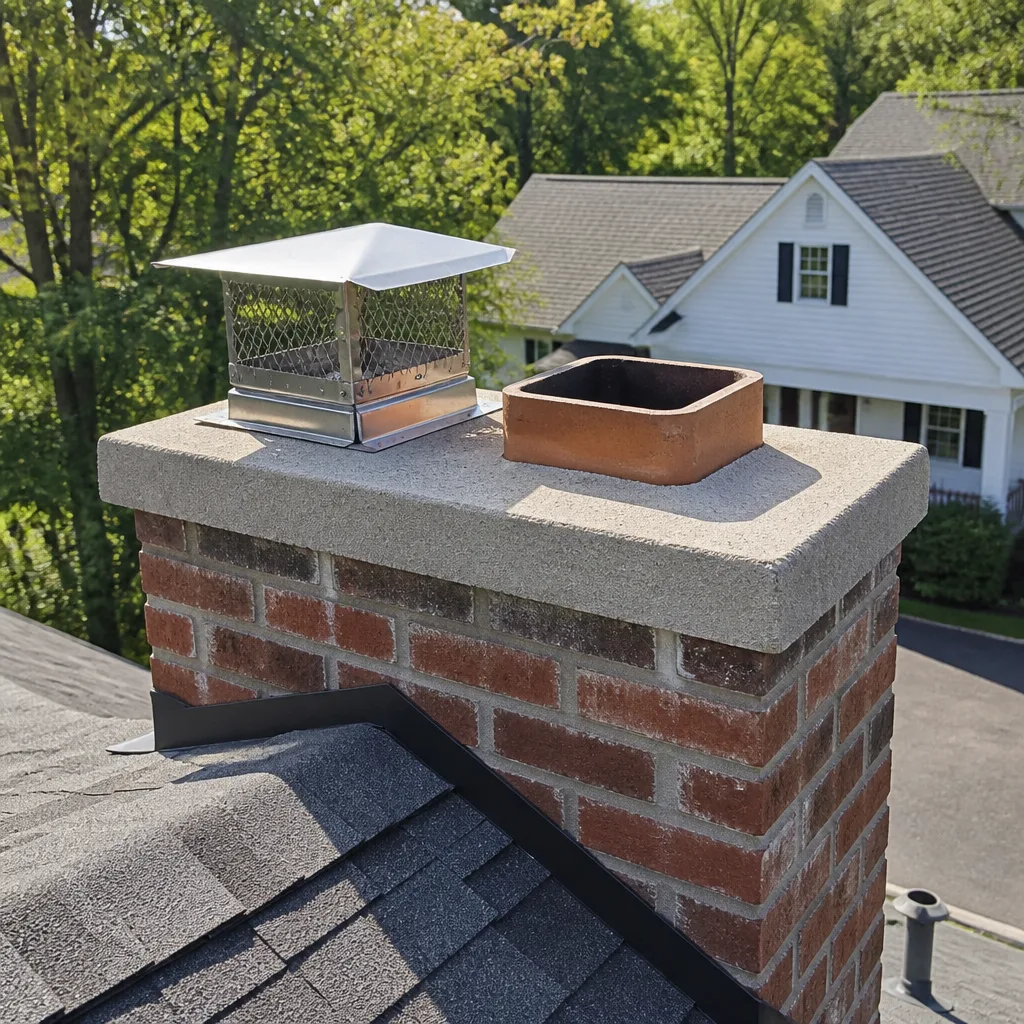
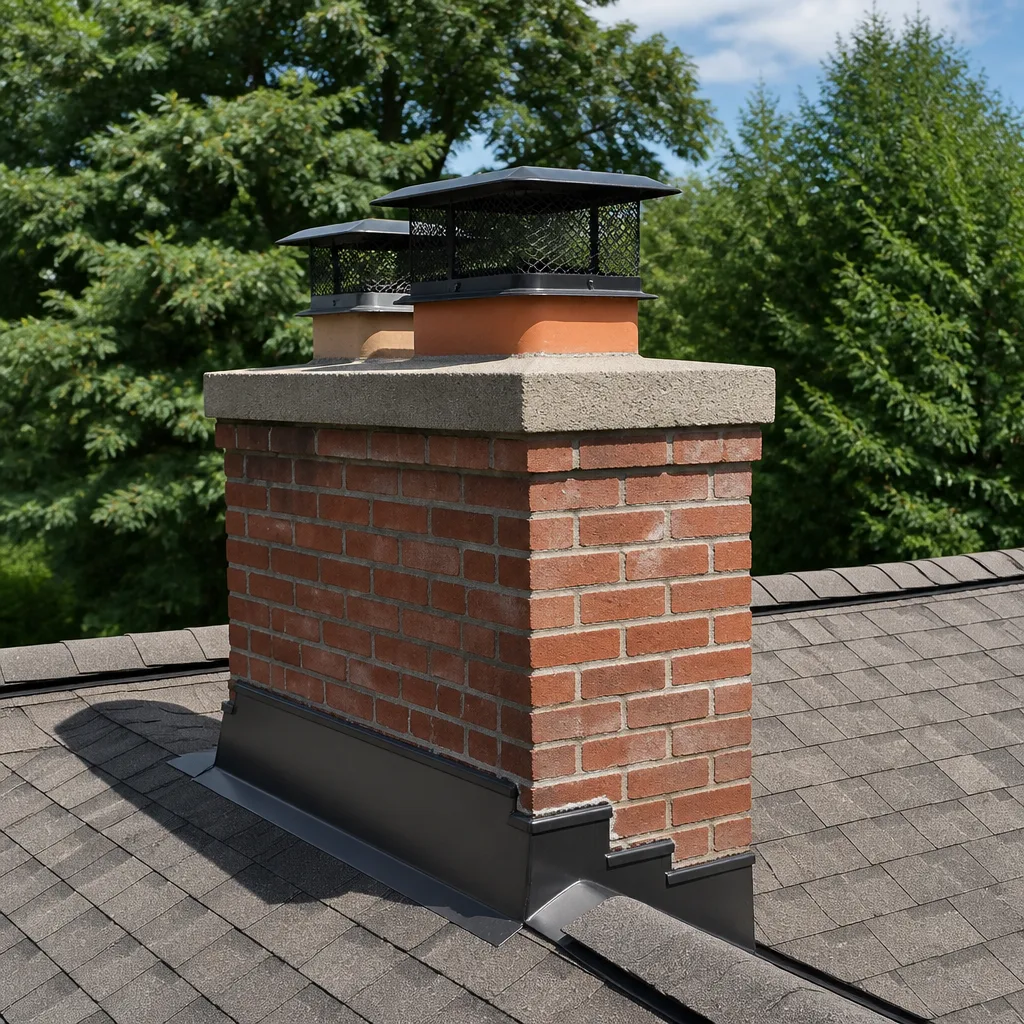
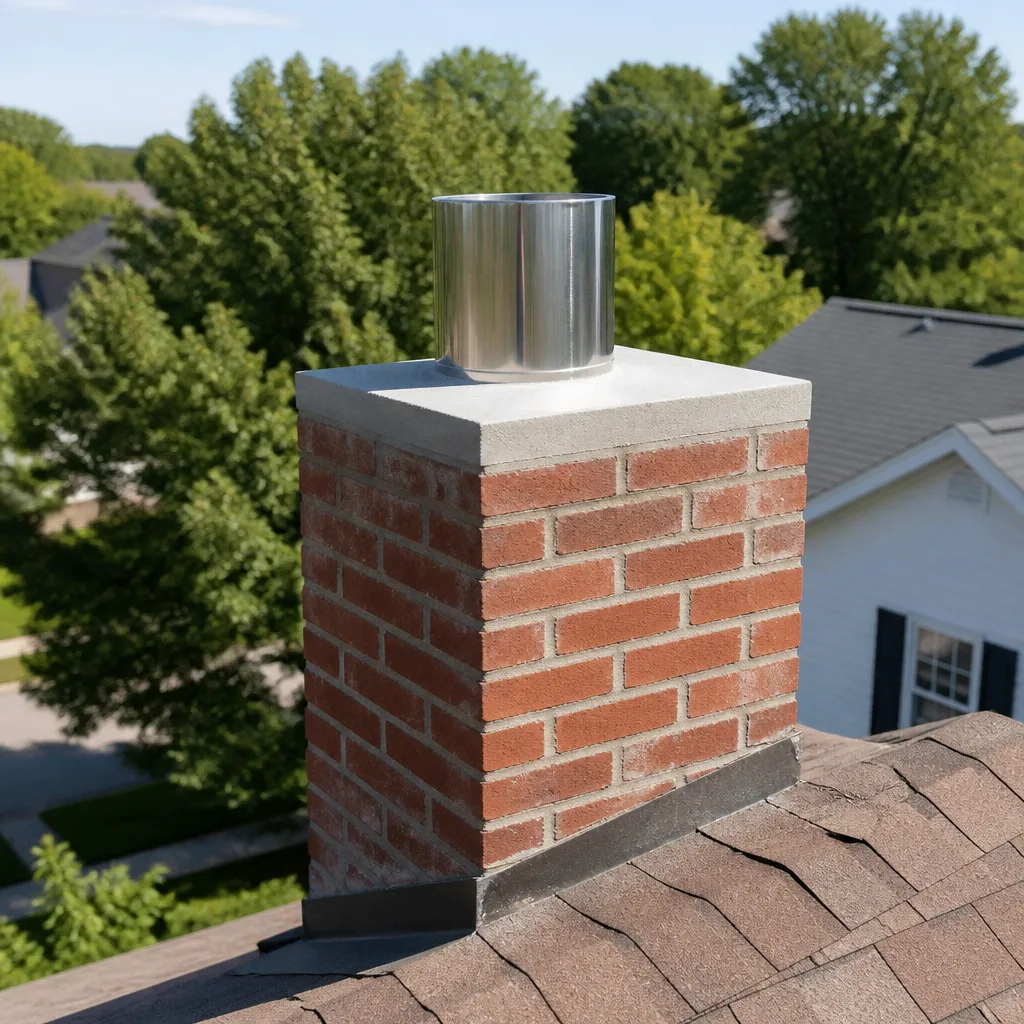
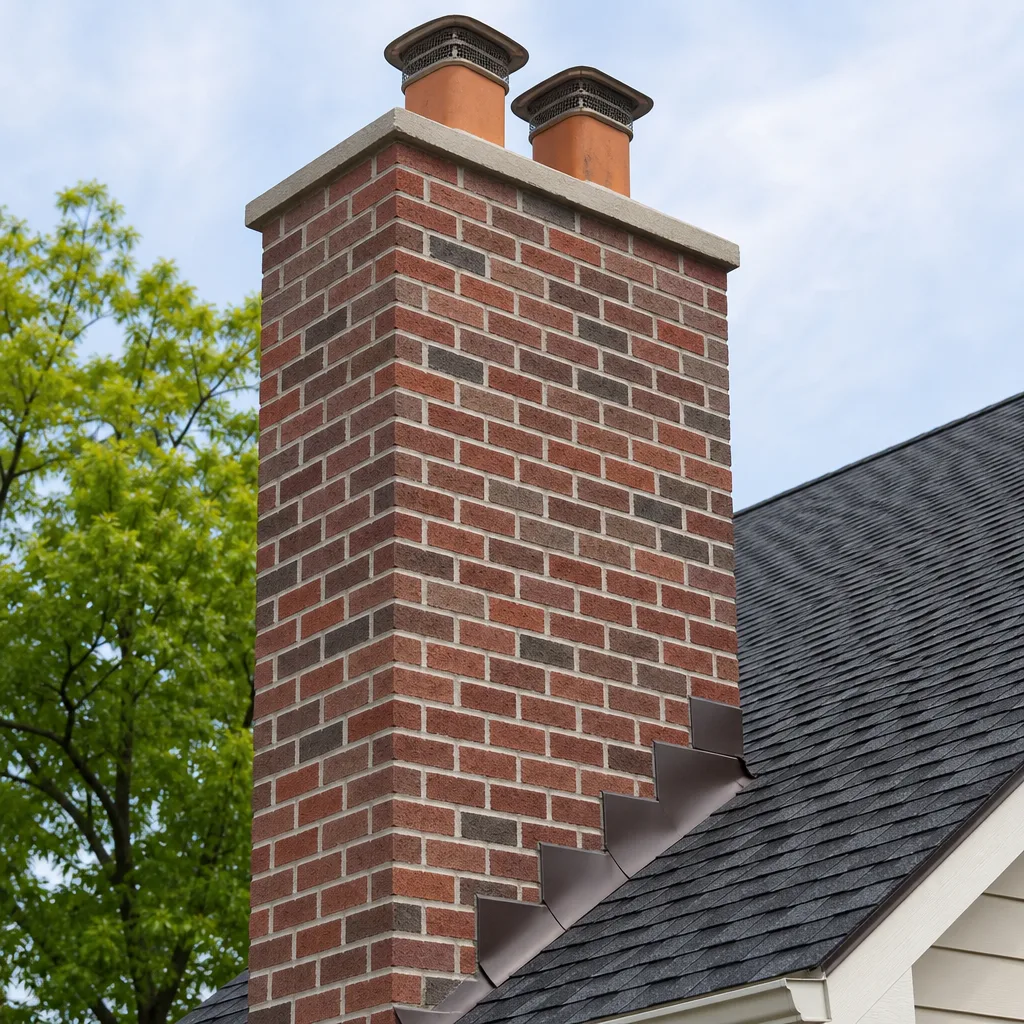
Level 1 sweep and inspection to the NFPA 211 annual standard - flue, crown, cap, and flashing checked and photographed
Chimney sweep logs do not sweep chimneys. They loosen some creosote - which then falls where a brush and vacuum still have to collect it.
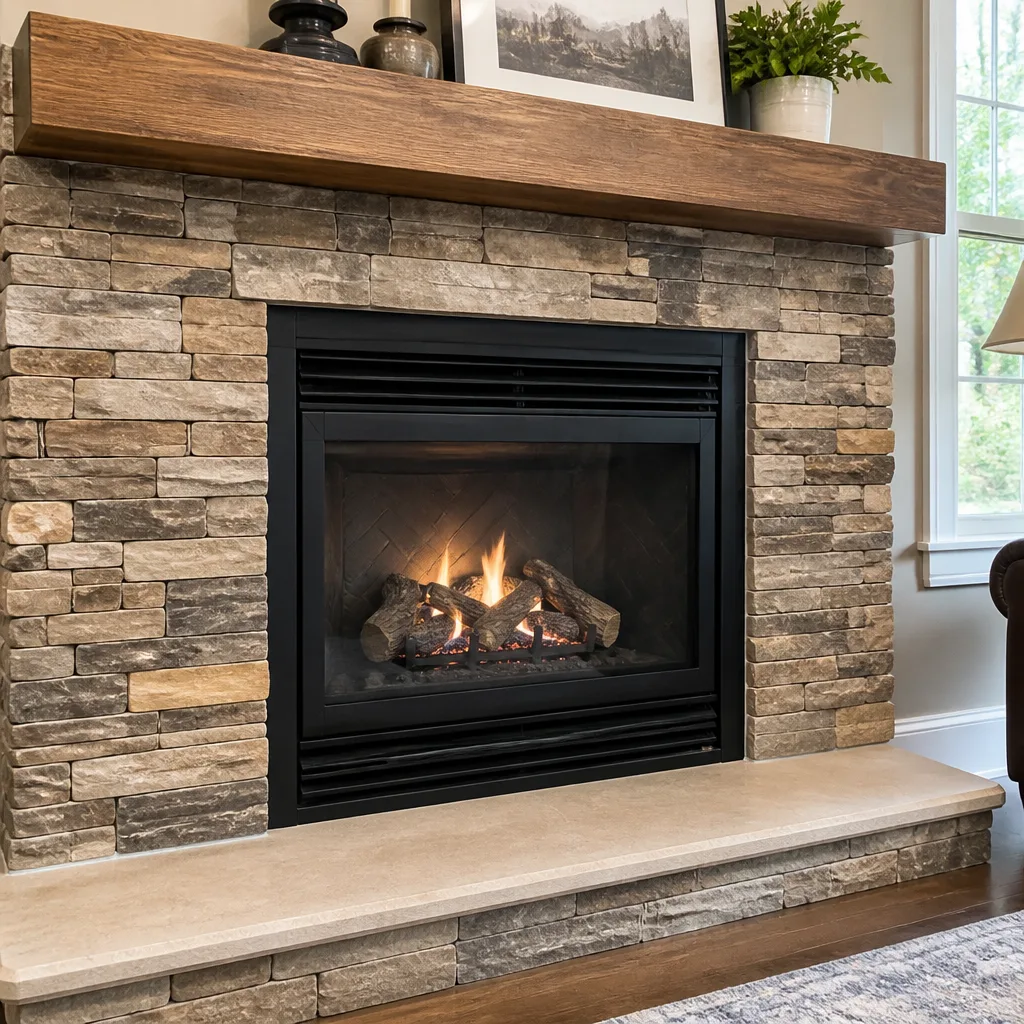
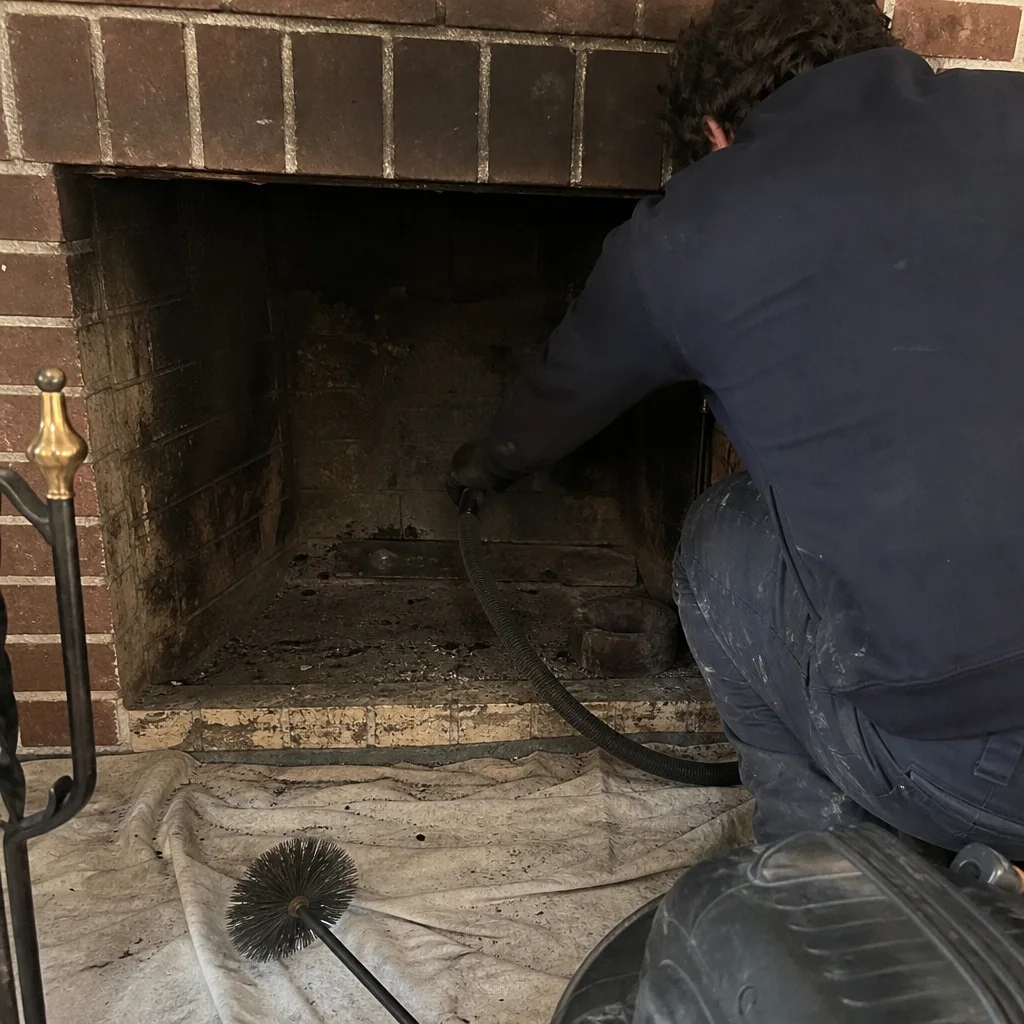 Before
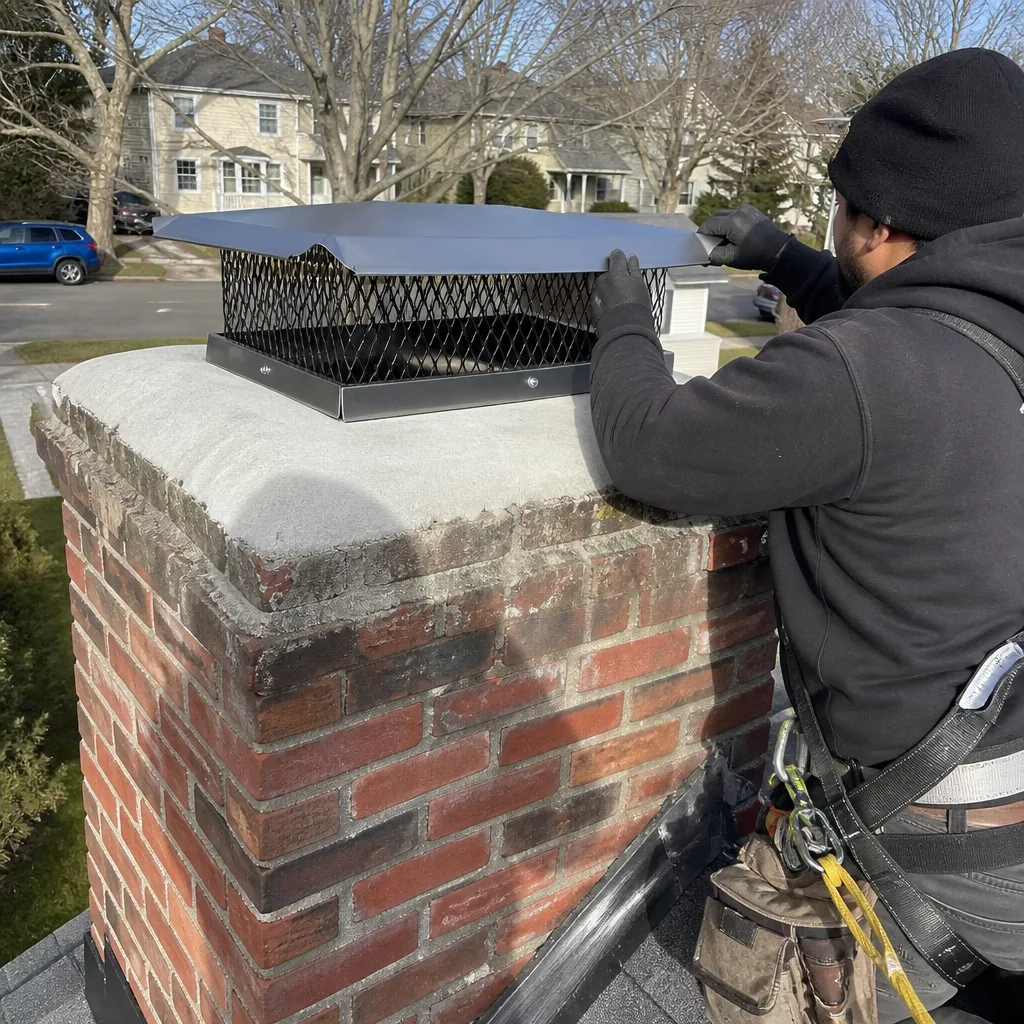 After
After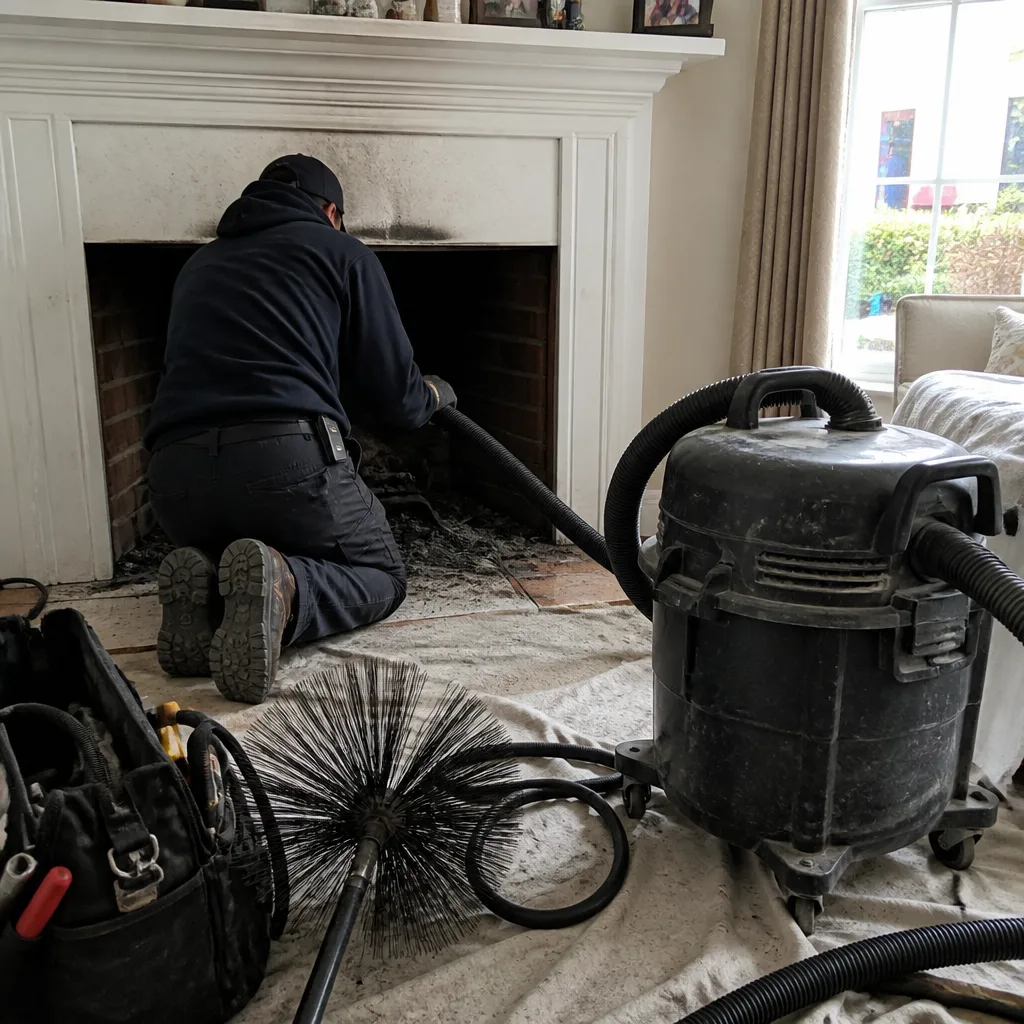 Before
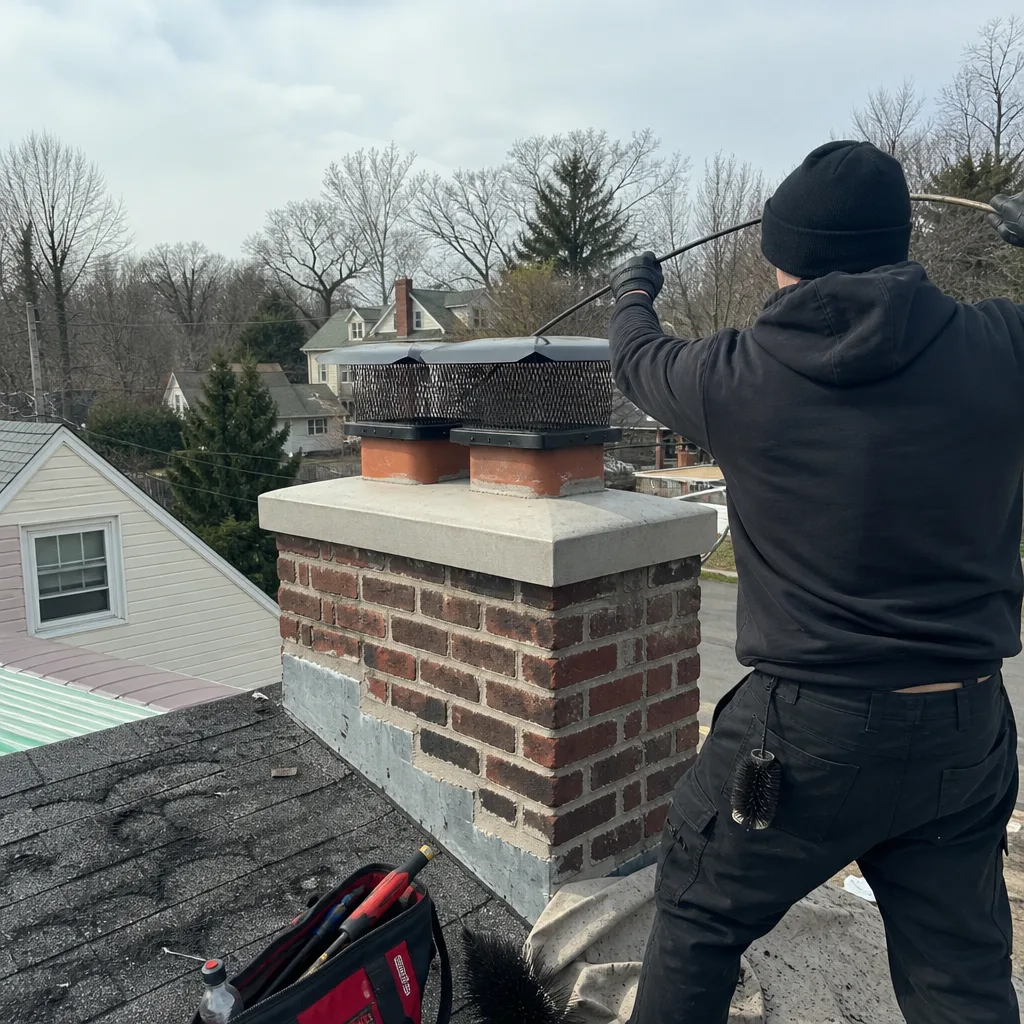 After
After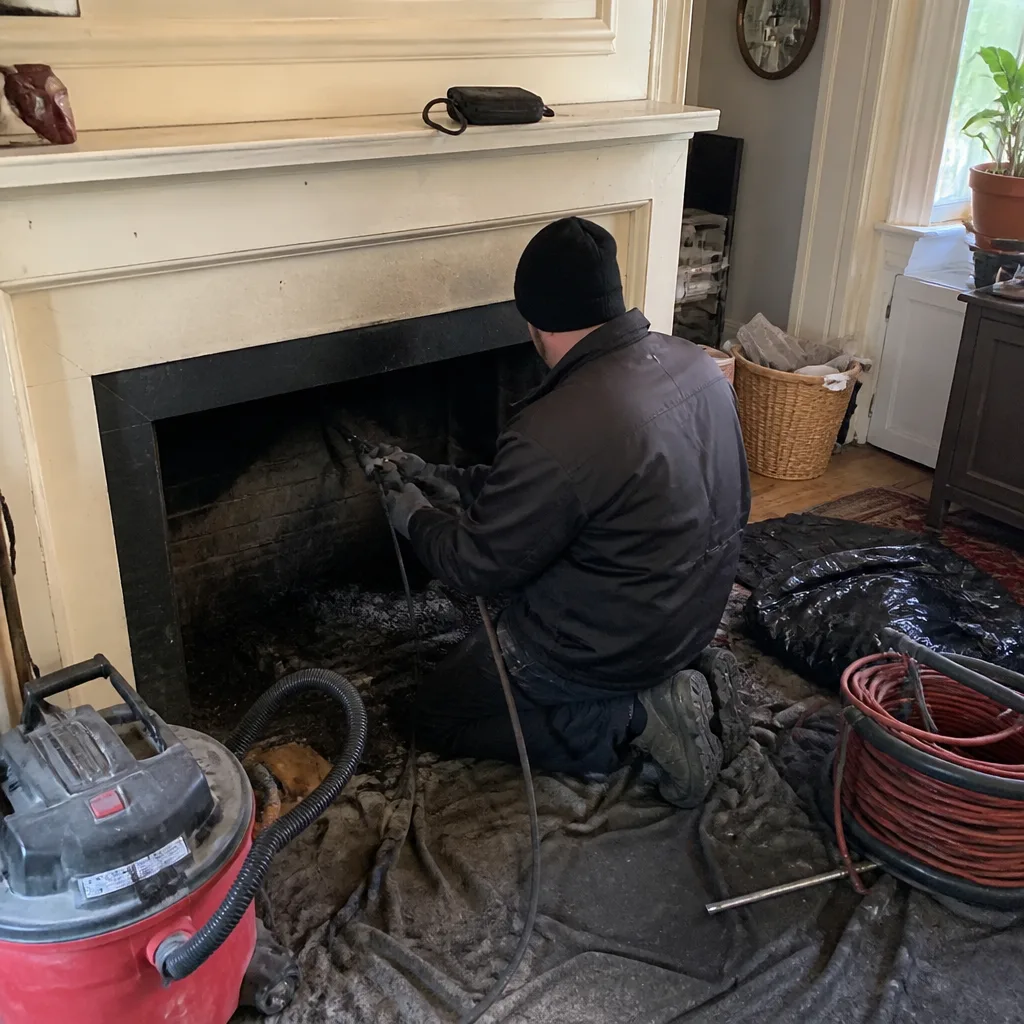 Before
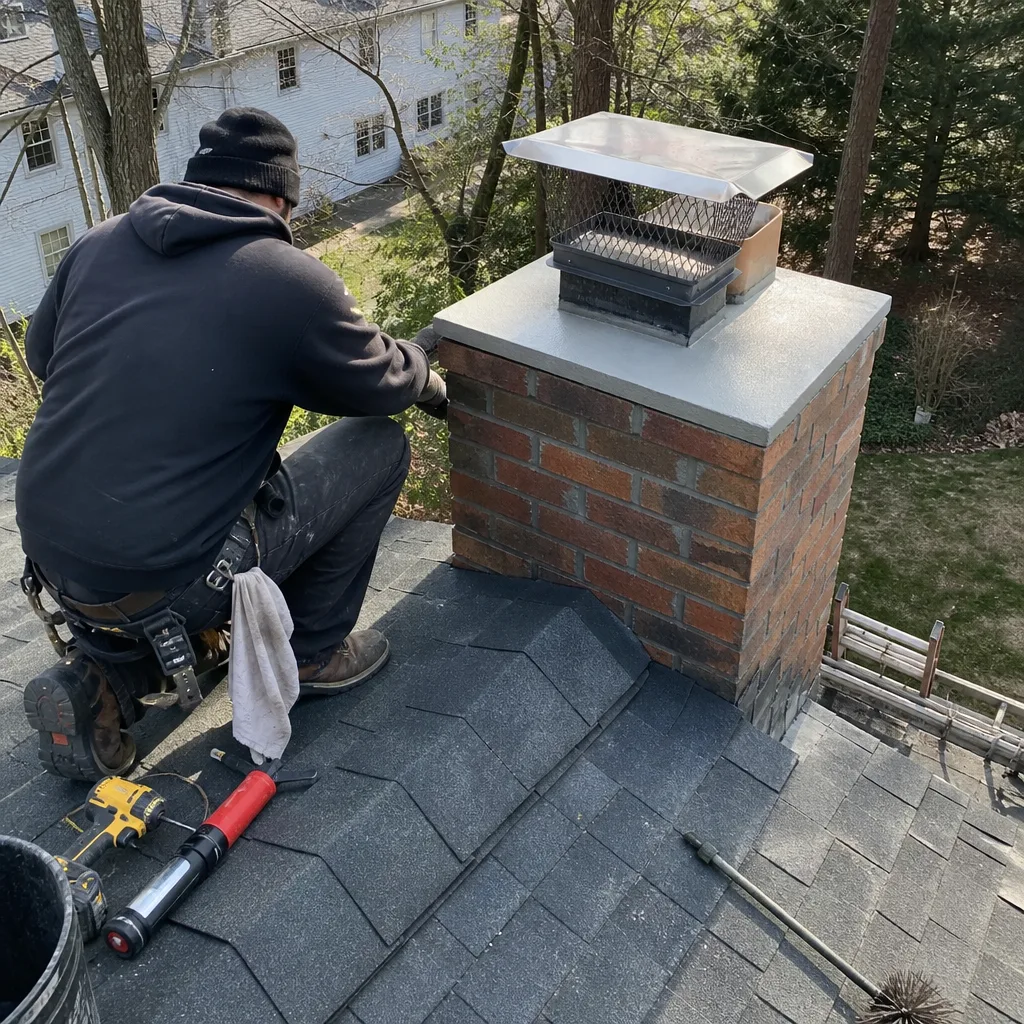 After
AfterThe Complete Guide to Chimney Cleaning in White Plains
The CSIA estimates that 25% of all home heating fires involve chimneys that were recently “cleaned.” The brush went through. The soot fell. But nobody looked at what mattered. In White Plains, where pre-1960 brick colonials and mid-century ranches still heat with wood, gas, and oil, a cleaning without a documented inspection is a receipt, not a service. This guide explains what thorough chimney cleaning actually involves, why the sequence of inspection-then-cleaning-then-documentation matters, and how to tell whether your sweep is practicing a craft or selling a transaction.
Quick Answer
Chimney cleaning in White Plains typically costs $200-$350 for a standard sweep with Level 1 inspection, and $350-$550 for a Level 2 camera inspection with photo documentation. A proper cleaning removes creosote, debris, and obstructions; a proper inspection identifies cracks, liner damage, and draft problems that cleaning alone cannot fix. Most White Plains homes with active fireplaces or heating appliances need annual service before the burning season begins.
Table of Contents
- What Chimney Cleaning Actually Involves
- Why White Plains’ Older Housing Stock Creates Different Risks
- NFPA 211 Inspection Levels: What Each Covers and When You Need It
- What a Photo-Documented Inspection Report Should Contain
- How Westchester County Chimney Height Regulations Affect Performance
- The 90-Day Post-Cleaning Window Most Sweeps Ignore
- Chimney Cleaning Costs in White Plains
- How to Choose a Chimney Sweep in White Plains
What Chimney Cleaning Actually Involves
Chimney cleaning is not one procedure. It is a sequence, and the sequence matters because each step protects the next.
Step 1: Pre-cleaning inspection of accessible areas. Before any brush enters the flue, a technician examines the firebox, damper, smoke chamber, and accessible portions of the flue for visible damage, obstructions, or hazardous creosote buildup. In our experience, roughly 15% of scheduled cleanings in White Plains reveal a condition that changes the scope of work, often a cracked flue tile or deteriorated mortar joint that requires documentation before cleaning proceeds.
Step 2: Mechanical or rotary cleaning of the flue. We match the method to the fuel type and flue condition. Wood-burning systems with glazed creosote require rotary chains or whips; oil and gas systems typically need brush and vacuum service. The goal is not cosmetic. A clean flue allows proper draft, prevents chimney fires, and permits accurate inspection of surfaces that were previously hidden by deposits.
Step 3: Debris removal and containment. Professional-grade vacuums with HEPA filtration contain soot and creosote particles. White Plains homes with basements or finished lower levels need particular attention to containment paths, because soot migration through HVAC systems is a real and documented problem.
Step 4: Post-cleaning inspection with documentation. This is where most service failures occur. The flue is now clean enough to inspect properly. A technician with a camera and a checklist examines what the brush revealed. Without this step, you have a clean chimney and no knowledge of whether it is a safe chimney.
Step 5: Written report with photos and plain-English verdict. You should receive documentation you can reference, share with a home inspector, or use in a real estate transaction. Verbal-only reports evaporate. Photos do not.
The Chimney Cleaning & Sweep in White Plains page details our specific process and scheduling.
Why White Plains’ Older Housing Stock Creates Different Risks
White Plains contains thousands of homes built before 1960, many in neighborhoods like Gedney Farms, Fisher Hill, and the Highlands. These houses were constructed with clay flue tiles, lime mortar, and brickwork that behaves differently than modern materials under thermal stress.
Creosote accumulation patterns in older flues. Clay flue tiles in pre-1960 construction were often manufactured with less precise tolerances than modern equivalents. The resulting surface irregularities create micro-turbulence that deposits creosote unevenly. A flue that looks clean from below may have heavy glazing at the second-story transition or just below the crown. We find this pattern regularly in White Plains homes with original chimneys, particularly those converted from coal to oil or gas in the 1950s and 1960s.
Spalling and freeze-thaw damage. White Plains sits in Westchester County’s hardiness zone 7a, with winter temperatures that drop below 10°F multiple times per season. Brick saturated with moisture undergoes freeze-thaw cycling that spalls the surface and degrades mortar joints. A chimney with spalling brick and open joints draws differently than a sound chimney. The altered draft pattern changes combustion efficiency and creosote formation rate. Cleaning such a chimney without noting the spalling is incomplete service.
Multiple fuel conversions. Many White Plains chimneys have served coal, then oil, then gas, and occasionally wood. Each fuel leaves distinct residues and stresses. Oil soot is corrosive to clay tile. Gas condensation in an oversized flue produces acidic moisture that attacks mortar. Wood creosote layers over older deposits, creating stratified buildup that requires specific removal techniques. A sweep who treats every flue the same misses these material histories.
Neighborhood-specific construction patterns. In Gedney Farms, we regularly see 1920s brick colonials with unlined chimneys or single-wythe construction that lacks the structural redundancy of newer builds. In the Battle Hill area, post-war ranches often have factory-built metal chimneys with factory-built problems: joint separation, improper clearances, and rusted chase covers. The cleaning approach must adapt to the housing stock, not apply a universal template.
When chimney repair in White Plains becomes necessary, the underlying cause is often years of cleaning without proper inspection.
NFPA 211 Inspection Levels: What Each Covers and When You Need It
The National Fire Protection Association defines three inspection levels. Most homeowners do not know which they received, and many sweeps do not explain the distinction. Here is what each level actually entails.
Level 1 Inspection
A Level 1 inspection is a visual examination of readily accessible portions of the chimney exterior, interior, and connecting appliances. No tools are used to open panels or remove components. This is appropriate when:
- The appliance or venting system has not changed
- You are continuing with the same fuel type
- No performance problems have occurred
- The chimney has been regularly maintained
In White Plains, a Level 1 inspection combined with cleaning satisfies the annual maintenance requirement for most gas and oil systems in normal service. It does not, however, reveal concealed damage.
Level 2 Inspection
A Level 2 inspection includes everything in Level 1, plus examination of accessible attics, crawl spaces, and basements, and a video scan of the interior flue surfaces. This level is required when:
- Any change is made to the appliance or venting system
- The property is sold or transferred
- A malfunction or chimney fire has occurred
- The building has suffered earthquake, wind, or fire damage
Our Level 2 inspections use camera systems that produce photos the homeowner can see, with a plain-English verdict on each finding. We document cracks, gaps, missing mortar, and liner conditions with timestamps and location references. This documentation becomes part of the property record. For home sales in White Plains, where Westchester County’s competitive market demands disclosure precision, a Level 2 report protects both buyer and seller.
Level 3 Inspection
A Level 3 inspection is invasive. It requires removal of building materials or chimney components to gain access to concealed areas. This level is reserved for situations where a hidden hazard is suspected and cannot be evaluated otherwise. A Level 3 inspection might involve removing drywall to inspect chimney framing, dismantling a crown to examine the flue top, or other destructive measures. It is not routine. It follows a Level 2 inspection that identified anomalies requiring further investigation.
Which level do you need? If you have not changed your heating system, have no known problems, and your chimney has been regularly serviced, a Level 1 with cleaning is appropriate. If you are buying or selling a home in White Plains, have experienced a chimney fire, or have changed appliances, Level 2 is the correct standard. Any sweep who performs only Level 1 work while billing for comprehensive service is providing incomplete protection.
What a Photo-Documented Inspection Report Should Contain
Verbal-only verdicts leave homeowners unprotected. A photo-documented report creates a record that outlasts the technician’s memory and the company’s ownership. Here is what the report should include, and why each element matters.
- Date, time, and weather conditions. Draft performance varies with barometric pressure and temperature. Documenting conditions allows comparison across years.
- Property address and appliance identification. Specificity prevents confusion in properties with multiple flues or accessory structures.
- Pre-cleaning photos of the firebox, damper, and smoke chamber. These establish baseline conditions and identify areas where cleaning may reveal hidden damage.
- Video scan or sequential photos of the entire flue interior. Every foot of the flue should be visible. Gaps in documentation are gaps in protection.
- Close-up documentation of any cracks, spalling, missing mortar, or liner damage. With measurement references where possible.
- Crown, cap, and exterior masonry condition. Including clearances to combustibles and roof penetration details.
- Plain-English verdict on each finding. Not technical jargon, but clear statements: “This crack permits exhaust gases to enter the chimney wall. It requires repair before the next burning season.”
- Prioritized recommendations with timelines. What needs immediate attention, what should be monitored, what is informational.
- Technician name and certification level. Accountability requires identification.
We provide this documentation on every Level 2 inspection. Homeowners in White Plains use our reports for insurance documentation, real estate disclosures, and personal maintenance records. The report belongs to you, not to us.
For fireplace services in White Plains that include comprehensive inspection documentation, our process follows this standard on every visit.
How Westchester County Chimney Height Regulations Affect Performance
Chimney height is not arbitrary. It determines draft pressure, which determines combustion efficiency, which determines creosote formation rate. Westchester County and the City of White Plains enforce codes that modify how chimneys perform in this specific jurisdiction.
The ten-foot, two-foot rule and local amendments. Standard code requires a chimney to extend at least three feet above the roof penetration and at least two feet higher than any portion of the building within ten feet. White Plains’ zoning and building departments have historically enforced this strictly, with additional scrutiny in historic districts where exterior alterations require approval. A chimney that met code when built may not meet current draft requirements if surrounding structures have been modified.
What insufficient height produces. Short chimneys or chimneys overshadowed by additions experience weak draft, particularly in mild weather when temperature differentials between flue gas and outdoor air are small. Weak draft causes incomplete combustion, which produces more creosote, which further restricts the flue and worsens draft. The cycle accelerates. We see this in White Plains homes where second-story additions or dormers were added without chimney extension, particularly in the North Street corridor and surrounding neighborhoods.
Wind patterns and topographical effects. White Plains’ elevation and proximity to Long Island Sound create specific wind patterns. Chimneys on the west side of ridges or in the lee of taller structures experience downdraft conditions that reverse normal flow. A cleaning that removes creosote but does not address downdraft problems leaves the root cause intact. Sometimes the solution is a taller chimney. Sometimes it is a properly engineered cap or draft-inducing fan. The diagnosis requires observation and measurement, not assumption.
Permit requirements for modifications. Extending a chimney or modifying its termination in White Plains requires permits and inspections. Unpermitted work creates liability and insurance complications. We coordinate permit applications when height modifications are recommended, and we use materials from Hearthstone Chimney Co. home that meet or exceed code requirements.
The 90-Day Post-Cleaning Window Most Sweeps Ignore
Here is something the industry does not discuss: most defects that cleaning reveals do not fail immediately. They deteriorate over the first 60 to 90 days of heating season use, as thermal cycling, moisture, and vibration complete the damage that inspection first identified.
A hairline crack in a flue tile in September becomes a through-crack by December. A deteriorated mortar joint that held during inspection separates after repeated expansion and contraction. A crown with minor spalling sheds more material after freeze-thaw cycles. The cleaning and inspection were correct at the time. The conditions changed.
This is why a meaningful guarantee must cover the post-cleaning period, not just the day of service. Our 90-Day Done Right Promise, governed by our K.E.Y.S. values code, specifically addresses this window. If a condition we documented as stable deteriorates within 90 days, or if a condition we missed becomes apparent, we return. In writing, no arguing. Krafted right, Every time, Your home first, Standing behind it.
Most competitors offer no written guarantee, or a 30-day warranty that expires before the real heating season begins. Some offer “satisfaction guaranteed” with no definition of satisfaction and no mechanism for resolution. A 90-day written promise, backed by a company that has served local communities for over 42 years, is a structural difference in how risk is allocated.
The guarantee also protects against the opposite problem: unnecessary repair recommendations. If another company proposes major work based on a condition we recently evaluated, our documentation provides a basis for comparison. We offer a Free Second Opinion on any written estimate because informed homeowners make better decisions.
Chimney Cleaning Costs in White Plains
Pricing should be transparent before work begins. Here is what chimney cleaning costs in the White Plains market, based on fuel type, inspection level, and property-specific factors.
| Service | Typical Range | What It Includes |
|---|---|---|
| Gas/Oil Chimney Sweep + Level 1 Inspection | $200 – $280 | Mechanical cleaning, debris removal, visual inspection of accessible components, basic written summary |
| Wood-Burning Chimney Sweep + Level 1 Inspection | $250 – $350 | Rotary or mechanical creosote removal, smoke chamber cleaning, firebox inspection, written summary |
| Level 2 Camera Inspection (add to sweep) | $350 – $550 total | Everything in Level 1 plus full video flue scan, attic/basement examination, photo documentation, detailed report |
| Heavily Glazed Creosote Removal | $150 – $300 additional | Chemical treatment and mechanical removal of Stage 3 glazed creosote, often requiring return visit |
| Chimney Cap Installation (standard) | $250 – $450 | Stainless steel cap with screen, proper fit to flue tile or crown, installation |
Factors that affect pricing in White Plains specifically:
- Accessibility. Steep roofs, multiple stories, or chimneys set back from roof edges require additional safety equipment and time.
- Number of flues. Many White Plains homes have separate flues for fireplace and furnace, each requiring independent service.
- Condition severity. Years of deferred maintenance produce more labor-intensive cleaning and more extensive documentation.
- Seasonal demand. September through November scheduling fills first. Our $89 Seasonal Tune-Up, available during specific pre-season windows, provides basic service at reduced rates for planning-ahead homeowners.
We provide no-hassle upfront pricing. The number on the estimate is the number on the invoice. No surprises on the bill.
Current offers include $50 Off Any Repair Over $250, a permanent 5% Senior and Veteran discount, and the Free Second Opinion on any written estimate. Call (914) 603-1360 for exact pricing for your specific chimney.
How to Choose a Chimney Sweep in White Plains
The chimney service industry in Westchester County includes national franchises, single-truck operators, and established local companies. For a detailed comparison of service approaches, read our DIY vs Professional Chimney Cleaning: The White Plains Homeowner’s Decision Guide, and here is how to distinguish among providers.
Verify certification, not just membership. CSIA (Chimney Safety Institute of America) certification requires examination and continuing education. Membership in a trade association does not. Ask for certification number and verify it. Our technicians maintain current CSIA credentials.
Confirm insurance and bonding. Ask for certificate of insurance. General liability and workers compensation are minimum requirements. Uninsured operators leave homeowners exposed to liability for jobsite injuries. We carry both, with documentation available on request.
Demand written scope and pricing. A verbal quote can shift. A written estimate with specific tasks, materials, and prices protects both parties. We provide this before every job.
Ask about documentation. Will you receive photos? A written report? Can you review findings with the technician before they leave? Verbal-only service provides no record for insurance, real estate, or future comparison.
Check longevity and local presence. A company that plans to be in White Plains in thirty years acts differently than one that might not be in business next season. We have served local communities for over 42 years, founded in 1984, and we intend to be here for decades more. Explore more guides & resources from our team.
Evaluate communication. Calls answered by a live person, 24 hours a day, 7 days a week, indicate operational capacity and accountability. Voicemail-only service suggests limited availability when problems arise.
Review guarantee terms. What does “satisfaction guaranteed” actually mean? How long does it last? Is it in writing? Our 90-Day Done Right Promise specifies terms clearly, with no paperwork required to invoke it.
Background-checked, uniformed technicians who complete most jobs in a single visit represent operational standards that protect your time and your property.
Common Mistakes to Avoid
- Scheduling cleaning without specifying inspection level. Many homeowners request “a cleaning” and receive exactly that, with no examination of flue condition. Always confirm whether Level 1 or Level 2 inspection is included.
- Assuming gas chimneys don’t need service. Gas produces water vapor and acidic condensation that deteriorates flue liners. Annual inspection is essential even when visible soot is minimal.
- Accepting verbal-only reports. Without photos and written documentation, you have no evidence of pre-existing conditions for insurance claims, no basis for comparing future inspections, and no protection in real estate transactions.
- Ignoring neighborhood-specific risks. White Plains homes near the Bronx River Parkway lowlands experience different moisture conditions than homes on higher ground in the Gedney area. Local knowledge informs inspection focus.
- Choosing by price alone. The lowest bid often excludes camera inspection, documentation, or proper containment. The difference between a $180 cleaning and a $280 cleaning with inspection and report is not $100. It is the cost of undiscovered damage.
- Deferring service until problems appear. By the time you smell smoke in the wrong place or see water stains, damage is established. Preventive maintenance costs less than reactive repair.
- Hiring unpermitted contractors for chimney modifications. Crown rebuilds, liner installations, and height modifications in White Plains require permits. Unpermitted work voids insurance coverage and complicates future sales.
When to Call a Professional
Call a chimney professional when you notice any of the following: smoke entering the room instead of exiting through the flue; visible cracks in the firebox, damper, or exterior masonry; white or orange staining on the chimney exterior, indicating moisture intrusion; a strong odor from the fireplace when not in use; or if it has been more than 12 months since your last professional service. In White Plains, where heating season runs reliably from October through April, September scheduling prevents the October rush and ensures readiness before first use.
Hearthstone Chimney Co. offers free estimates in White Plains. Call (914) 603-1360 to speak with a live person, any hour, any day. We’ll schedule a time that works, provide upfront pricing, and deliver documented service you can reference for years.
Frequently Asked Questions
Standard chimney cleaning in White Plains ranges from $200 to $350, depending on fuel type and inspection level. A Level 2 camera inspection with photo documentation typically totals $350 to $550. Heavily glazed creosote or multi-flue systems cost more. Call (914) 603-1360 for an exact quote - estimates are free.
The National Fire Protection Association recommends annual inspection of all chimneys, fireplaces, and vents. Wood-burning systems in regular use need annual sweeping. Oil and gas systems need annual inspection, with cleaning frequency determined by inspection findings. In White Plains, where heating systems run hard through winter, we advise scheduling before the burning season begins each year.
A liner recommendation should be supported by camera evidence you can see, with specific damage identified: cracks permitting gas migration, deterioration exposing combustibles, or improper sizing for current appliances. We show you the photos, explain the verdict in plain English, and mark conditions that can be monitored versus those requiring immediate action. Nothing is recommended without documentation you can review. If another company has proposed liner work, our Free Second Opinion provides independent evaluation.
Skipped maintenance permits creosote accumulation that increases chimney fire risk, allows moisture and acidic condensation to deteriorate liners and masonry, and obscures developing damage that becomes more expensive to repair. In White Plains’ older housing stock, deferred maintenance often leads to water infiltration that damages interior finishes and structural components beyond the chimney itself. The cost of prevention is consistently lower than the cost of repair.
While not legally mandated by all municipalities, Level 2 inspection is the industry standard for real estate transactions and is specifically recommended by NFPA 211 whenever a property changes hands. Westchester County buyers increasingly expect documented chimney condition, and sellers who provide a recent Level 2 report with photos reduce transaction friction and liability exposure. We provide reports formatted for real estate disclosure use.
Homeowners can perform basic firebox and damper cleaning, but flue inspection requires specialized equipment and training that most homeowners do not possess. More importantly, chimney work involves genuine hazards: falls from height, exposure to carcinogenic creosote, and the risk of missing structural damage that creates fire or carbon monoxide exposure. We recommend professional service for flue cleaning and all inspection work. Our technicians are trained to identify conditions that untrained eyes miss, and our documentation provides protection that DIY service cannot.
The Bottom Line
Chimney cleaning in White Plains is not a commodity service. The difference between adequate and excellent work lies in the inspection that accompanies cleaning, the documentation that follows it, and the guarantee that protects you when conditions change. Older housing stock, specific local codes, and the 90-day post-service window create risks that templated service ignores. Choose a sweep who examines before cleaning, documents with photos you can see, explains findings in plain English, and stands behind the work with a written promise. Done right, and we stand behind it.
Written by Russell Haines, Owner at Hearthstone Chimney Co., serving White Plains since 2014.